How to Start Yoga for Beginners: A Safe, Simple Guide
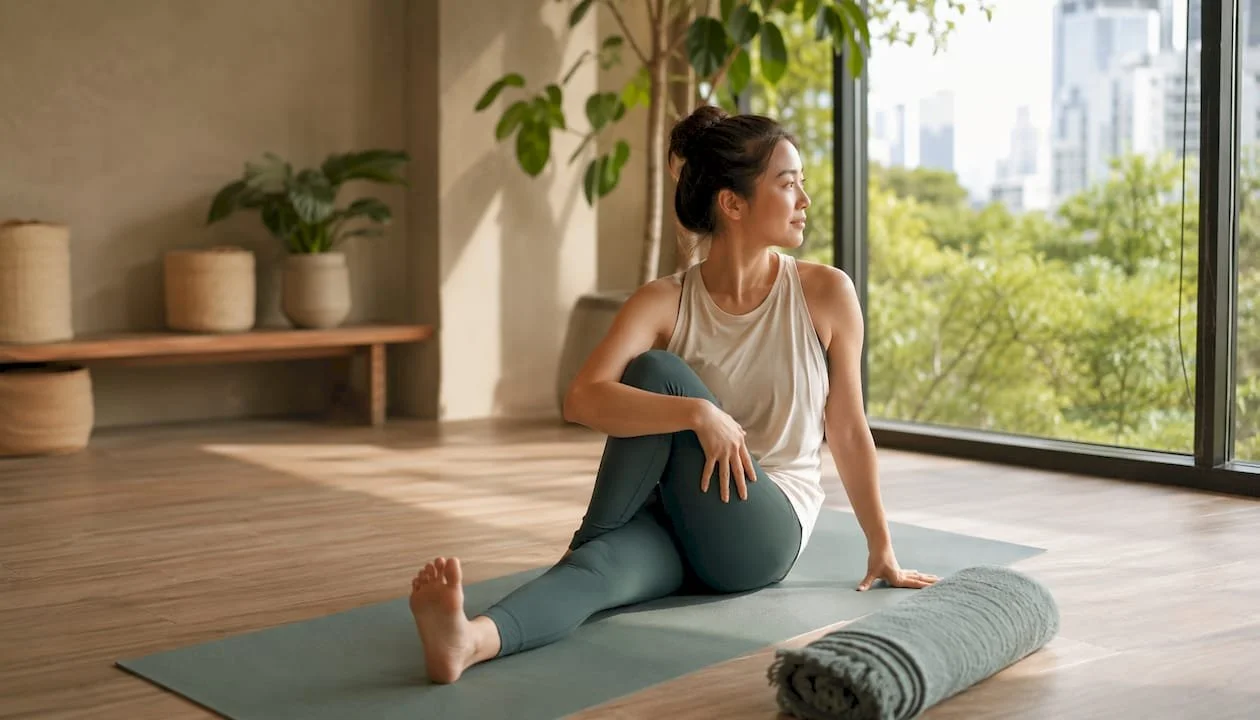
What every beginner needs to know before their first yoga session
Starting yoga safely comes down to three things: short sessions, a forgiving style, and zero pressure to be flexible. Experts recommend that beginners practice two to three times per week, with each session lasting 15–30 minutes. That cadence builds the habit without overwhelming your body or your schedule.
Flexibility is not a prerequisite. It's a result. Many people put off starting because they can't touch their toes, but beginner classes are specifically designed to improve mobility gradually, not to test it on day one. Walk in stiff. That's the whole point.
Here's what to focus on from the start:
Start small. Two to three sessions per week, 15–30 minutes each, is the sweet spot for beginners.
Pick a gentle style. Hatha, Restorative, and Yin yoga are the most accessible entry points. Avoid fast-paced flows until you have the basics down.
Breathe first, pose second. Breath control is the foundation of every yoga practice. If you lose your breath, the pose isn't working for you.
Use props without apology. Blocks, straps, and folded blankets exist to make poses accessible, not to signal weakness.
Modify everything. No pose is mandatory in its full expression. A modified version done with good form beats a strained version done "correctly."
Learn a few foundational poses first. Mountain pose, Child's pose, Cobra, Forward Fold, and Plank give you a complete beginner sequence you can repeat for weeks.
Stop at sharp pain. Mild muscle fatigue is normal. Sharp or radiating pain is a signal to back off immediately.
Skip the comparison trap. Yoga is not a performance. What you see on social media is not your benchmark.
The mindset shift that matters most: yoga rewards consistency, not intensity. Showing up for a 20-minute session three times a week will do more for you than one ambitious 90-minute class you dread repeating.
Which yoga style is right for you as a beginner?
Not all yoga is the same, and picking the wrong style early on is one of the most common reasons beginners quit. The good news is that a few styles are genuinely built for people who are just starting out.
Hatha yogais the most widely recommended starting point. It moves slowly, holds poses long enough for you to actually feel what's happening in your body, and keeps the focus on alignment and breath rather than speed. Yoga therapist Valerie Williams, E-RYT 500, puts it plainly: Hatha lets you learn how a pose feels and which muscles it engages without rushing into the next movement. That's exactly what a beginner needs.
Other styles worth knowing:
Restorative yoga uses props heavily and focuses on deep relaxation. Poses are held for several minutes, which activates the parasympathetic nervous system and helps reduce stress. It's an excellent choice if you're coming to yoga for recovery or anxiety relief.
Yin yoga targets connective tissue with long holds, typically three to nearly ten minutes per pose. The slow pace suits beginners who want to work on flexibility without the intensity of a flow class.
Gentle Vinyasa links breath to movement in a slower, more accessible version of the traditional flow format. Once you've built some body awareness through Hatha, this is a natural next step.
Pro Tip: Try at least two or three different styles and teachers before deciding yoga "isn't for you." If your first class felt unwelcoming or confusing, that's almost certainly a reflection of the teaching style, not your ability. Different instructors create very different experiences.
For learning formats, you have real options. A studio beginner class gives you live feedback and the energy of a group. Online guided videos let you practice at home on your own schedule, which removes every logistical excuse. Private instruction is the fastest way to learn correct alignment, though it costs more. Many beginners do well starting with labeled "beginner" or "gentle" classes, either in person or online, because those classes build alignment and breathing habits from the ground up rather than assuming prior knowledge.
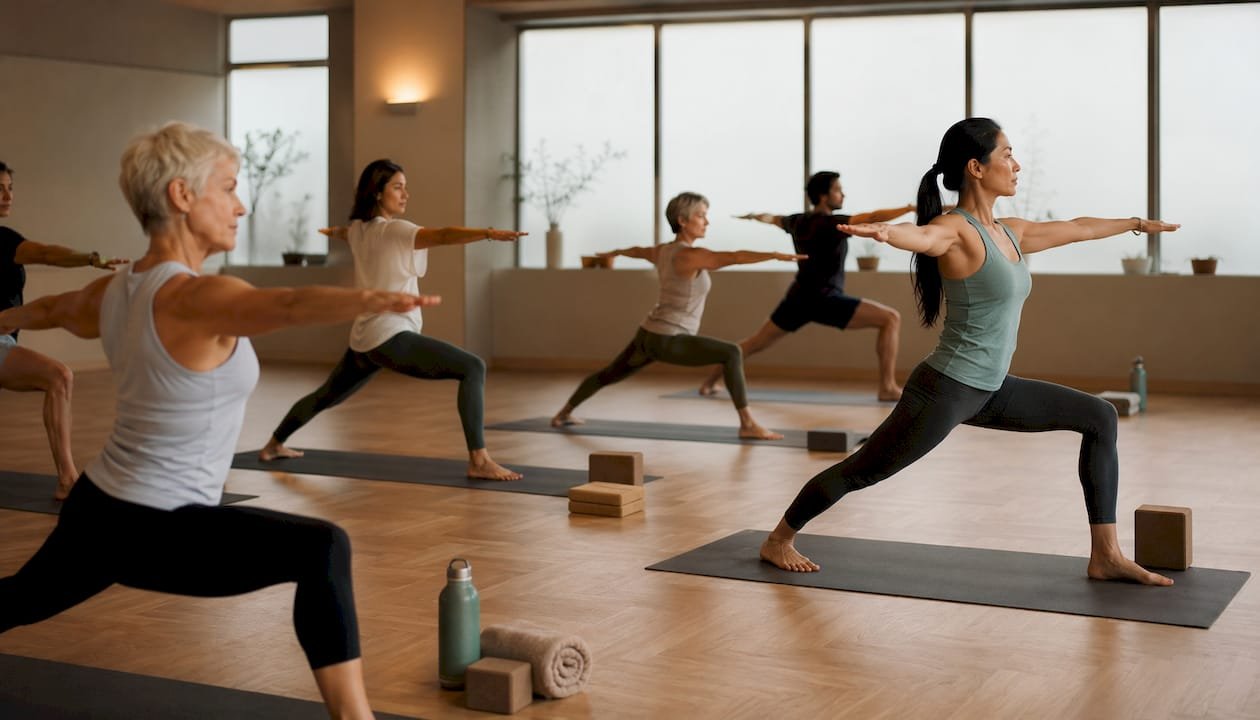
Amritayogawellness offers a range of beginner-friendly yoga styles that walk you through the differences so you can make an informed choice before you ever step on a mat.
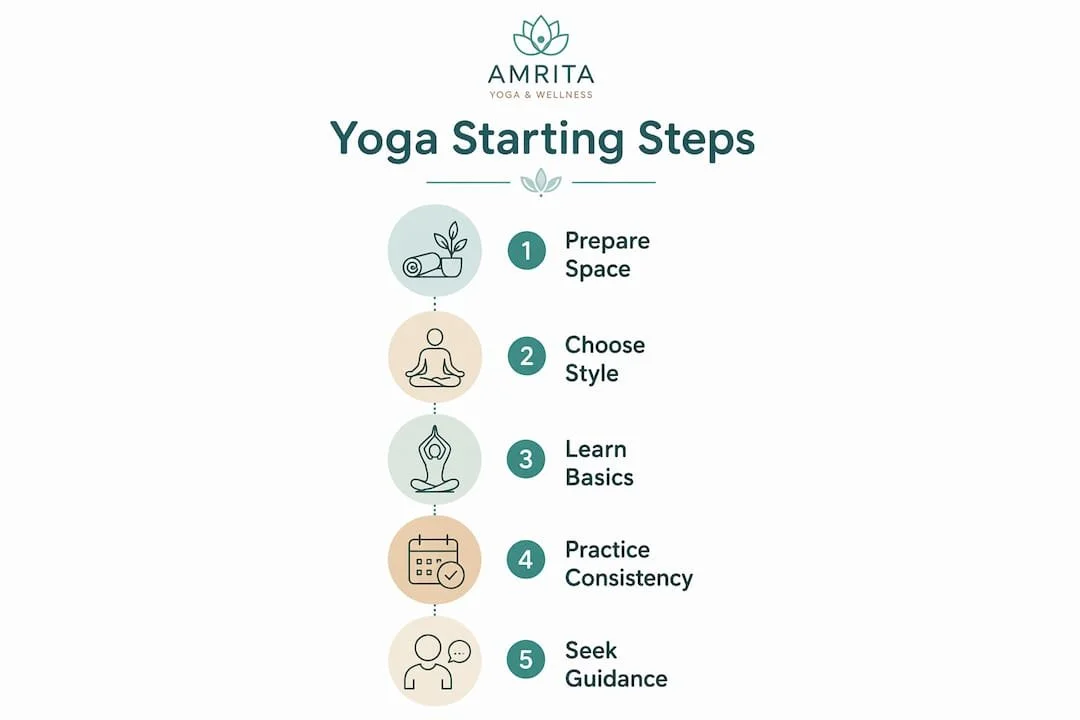
How to set up a home yoga practice that actually sticks
The biggest barrier to starting yoga at home isn't flexibility or knowledge. It's the false belief that you need the perfect setup first. You don't.
Effective practice starts with whatever you have. A towel on carpet works. A clear patch of floor works. Waiting until you have a dedicated yoga room, a premium mat, and matching gear is what yoga teachers call "optimization paralysis," and it's the most reliable way to never start.
What you actually need:
A mat or towel. A basic yoga mat costs around $20–$30 and provides enough grip and cushioning for all beginner poses. A folded towel on carpet is a legitimate substitute.
Comfortable clothing. Anything you can move freely in works. Fitted clothes make it easier for you (and an instructor) to see your alignment.
Props if available. Two yoga blocks and a strap cover nearly every modification a beginner will need. If you don't have them, hardcover books and a belt work fine.
A clutter-free space. You need roughly a 6-by-4-foot area. Clear it before each session so you're not stepping around furniture mid-pose.
Building the routine:
Frequency and duration. Start with two to three sessions per week of 15–30 minutes. Short, frequent sessions build the habit and let your body adapt without soreness that discourages you from coming back.
Warm up for 3–5 minutes. Gentle neck rolls, shoulder circles, Cat-Cow stretches on all fours, and a few slow spinal twists prepare your joints before any standing or weight-bearing poses.
Cool down for 5 minutes. End every session with Child's pose or a simple Savasana (lying flat on your back, arms relaxed at your sides). This signals to your nervous system that the work is done.
Breathing from day one. Start each session with three to five slow, deep breaths before you move. Ujjayi breathing, a gentle constriction at the back of the throat that creates a soft ocean sound, is a foundational pranayama technique worth learning early. It anchors your attention and regulates your pace throughout the practice.
Consistency beats duration every time. A 20-minute session three times a week will produce more progress than a two-hour session once a month.
How to stay motivated when yoga feels hard or intimidating
The hardest part of yoga for most beginners isn't the poses. It's showing up when you feel stiff, self-conscious, or like everyone else in the room knows something you don't. That feeling is almost universal, and it fades faster than you'd expect.
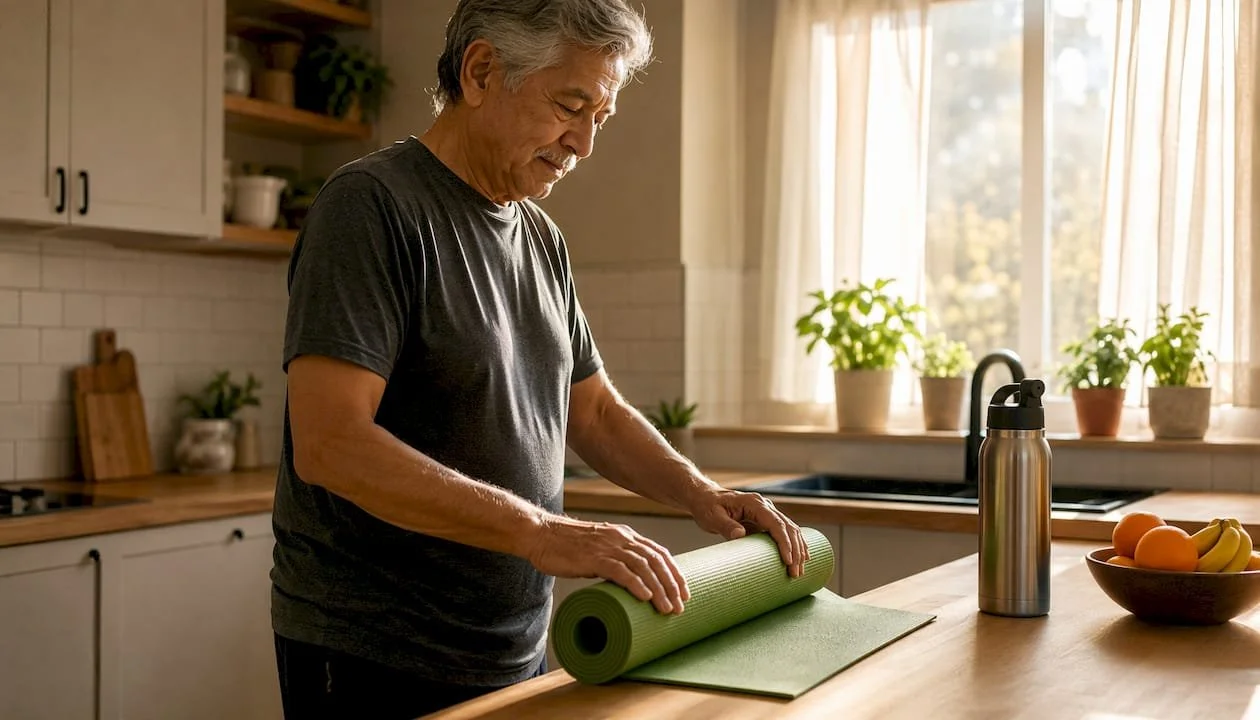
Yoga is fundamentally personal. The practice is a mirror, not a competition. What the person on the next mat is doing has no bearing on what your body needs today. Many beginners feel intimidated by the advanced poses that dominate social media, but a single conscious breath in Mountain pose counts as a successful yoga practice. That's not a consolation prize. That's the actual point.
Practical strategies that help:
Use breath and body sensation as your guide. If you're breathing steadily and feel a productive stretch, you're doing it right. If you're holding your breath to force a deeper pose, you've gone too far.
Accept modifications as the default, not the fallback. Props and modified versions of poses are not training wheels. They're how you build the strength and flexibility to eventually access the full pose safely.
Know the difference between discomfort and pain. Muscle fatigue, mild burning, and the sensation of a deep stretch are all normal. Sharp, shooting, or joint pain means stop and modify immediately.
Start with sessions short enough that skipping feels harder than doing them. A 15-minute session has almost no excuse. Once the habit is there, you'll naturally extend it.
Try different teachers before giving up on yoga entirely. Teaching style varies enormously. A teacher whose cues don't click for you isn't evidence that yoga doesn't work for you.
Track small wins. Notice when a pose that felt impossible last week now feels manageable. Progress in yoga is often subtle and cumulative.
Burnout at the beginner stage almost always comes from doing too much too soon. Three short sessions a week, done consistently for a month, will build more real progress than daily two-hour sessions that leave you exhausted and sore. Start smaller than you think you need to.
Why qualified instruction makes a real difference for beginners
Self-guided practice has its place, but for beginners, qualified instruction changes the trajectory of the practice in ways that are hard to replicate alone.
Lisa Blum, Doctor of Physical Therapy, identifies a qualified yoga teacher who provides clear, accessible cues and individual modifications as the most valuable investment a beginner can make for safety and confidence. The reason is straightforward: misalignment in basic poses, repeated over weeks, creates the kind of overuse injuries that sideline people for months. A good teacher catches those patterns before they become problems.
| Feature | Structured beginner program | Self-guided practice |
|---|---|---|
| Alignment feedback | Real-time correction from instructor | None; relies on mirrors or video review |
| Injury prevention | Modifications offered proactively | Depends on self-awareness |
| Progression | Structured, sequenced skill-building | Ad hoc; easy to plateau or skip steps |
| Motivation | Group energy and accountability | Requires strong self-discipline |
| Community | Built-in peer support | Isolated unless you seek it out |
| Accessibility | Labeled beginner classes remove guesswork | Requires research to find appropriate content |
Community matters more than most beginners expect. Practicing alongside others at a similar level normalizes the struggle, reduces self-consciousness, and creates accountability that's hard to manufacture alone. Workshops and group sessions also expose you to teaching perspectives and pose variations you wouldn't find in a solo practice.
Pro Tip: Look for beginner programs that explicitly describe their progression structure. A program that moves from foundational poses to more complex sequences over several weeks, with clear feedback mechanisms, will build your skills faster and more safely than a general "all levels" class.
Amritayogawellness builds its beginner programs around exactly this model: accessible entry points, individual modifications, and a community structure that keeps new practitioners engaged past the first few sessions. The studio's classes cover a range of styles, from Hatha to Restorative, with instructors trained to adapt poses for different bodies and ability levels. For beginners in the Philadelphia area, or anyone exploring structured online resources, Amritayogawellness offers a grounded, welcoming starting point.
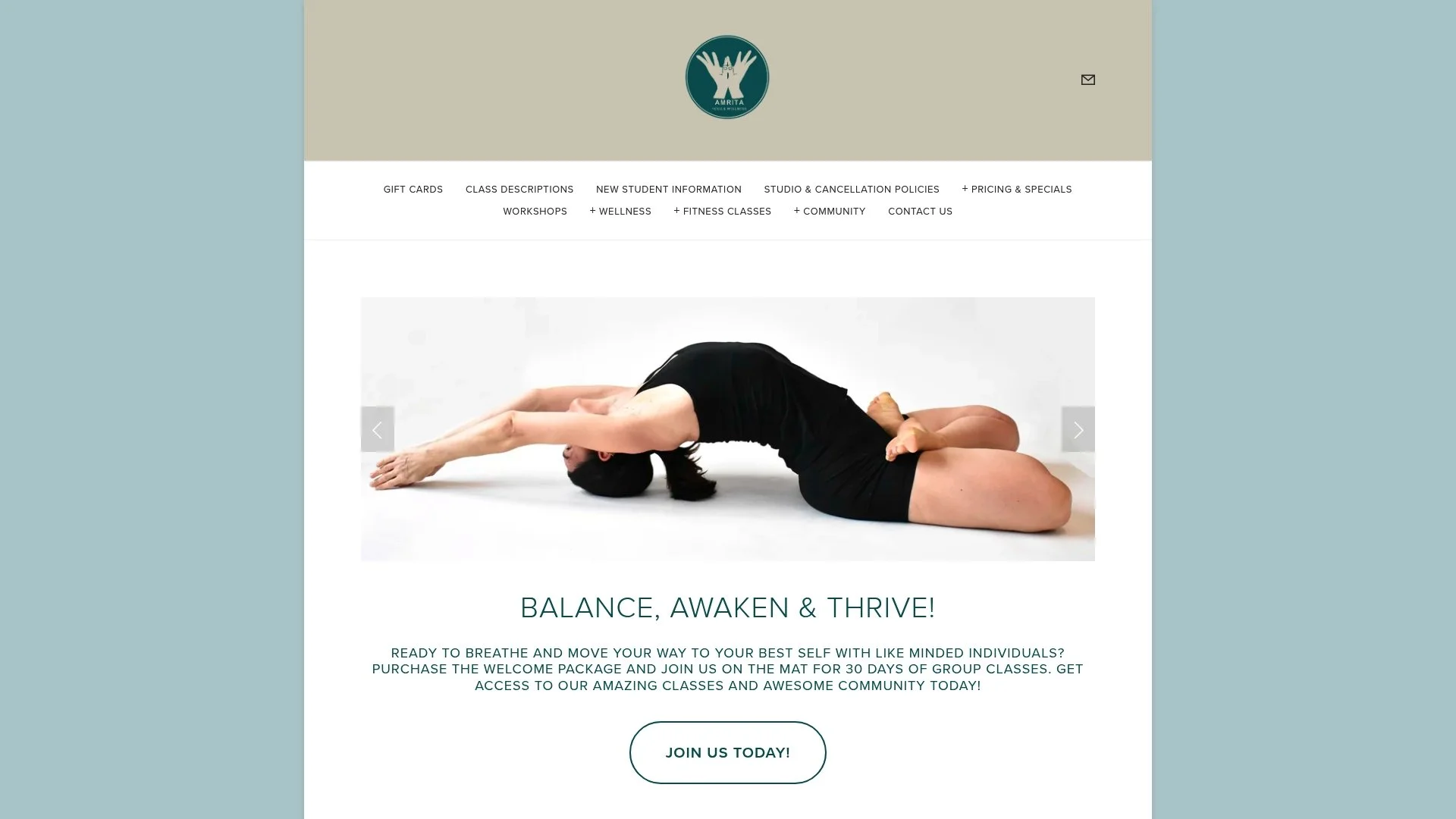
Ready to take the first step? Amritayogawellness offers beginner classes, workshops, and wellness services including tarot readings for those looking to complement their yoga practice with broader self-care. Visit amritayogawellness.com to explore current class schedules and find the right entry point for where you are right now.
Key Takeaways
Starting yoga as a beginner requires short, consistent sessions in a gentle style, with qualified instruction and a patient mindset focused on breath and body awareness rather than flexibility or performance.
| Point | Details |
|---|---|
| Session frequency and duration | Begin with 2–3 sessions per week, each lasting 15–30 minutes, to build habit and allow safe body adaptation. |
| Best styles for beginners | Hatha yoga is the most recommended starting style; Restorative and Yin are strong alternatives for recovery and flexibility. |
| Flexibility is not required | Flexibility develops through consistent practice; it is never a prerequisite for starting yoga. |
| Props and modifications | Blocks, straps, and modified poses are standard tools, not workarounds, and reduce injury risk for new practitioners. |
| Qualified instruction matters | A trained teacher providing individual modifications is the most effective investment a beginner can make for safety and progress. |