Restorative Yoga: Deep Relaxation for Modern Stress
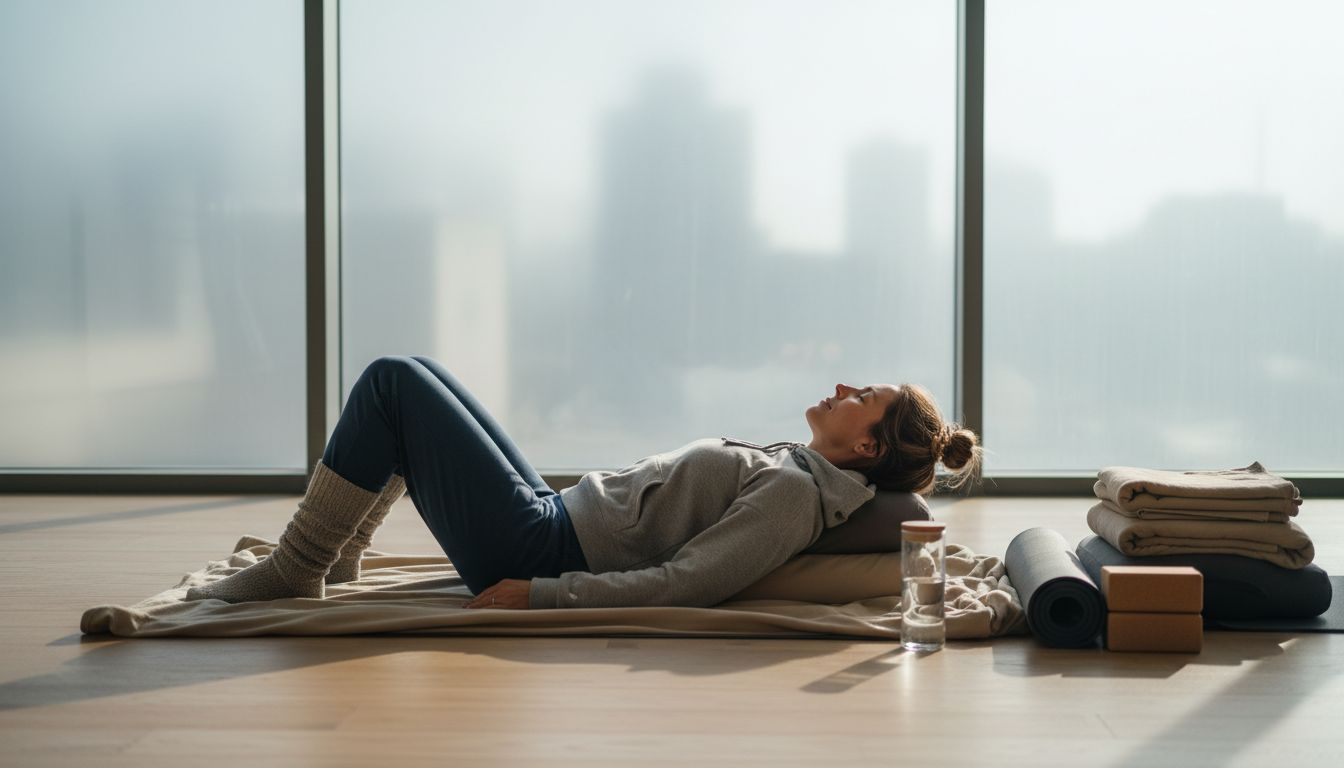
More than 70 percent of American adults report high stress levels affecting their mental and physical health. For those living in Philadelphia and searching for gentler ways to manage stress, restorative yoga offers a calm alternative. This practice challenges common myths by providing deep relaxation and real healing beyond a typical workout. If you want real stress relief and a quieter mind, discover how restorative yoga might become your next wellness habit.
Table of Contents
Key Takeaways
| Point | Details |
|---|---|
| Restorative Yoga Focus | Restorative yoga emphasizes deep relaxation and healing through gentle, supported poses without muscular effort. |
| Health Benefits | Regular practice can significantly reduce stress, anxiety, and depression while improving flexibility and body awareness. |
| Accessibility | This practice is ideal for individuals managing stress, chronic pain, or recovering from injuries, regardless of fitness level. |
| Essential Props | Utilizing props like bolsters and blankets is crucial for creating comfort and support during restorative sessions. |
Restorative Yoga Defined and Common Myths
Restorative yoga represents a profound approach to wellness that goes far beyond simple stretching or relaxation. Developed by pioneers like Judith Lasater, this practice emphasizes mindful stillness and deep physiological healing through carefully supported physical postures. Unlike more dynamic yoga styles, restorative yoga invites practitioners to hold poses for extended periods using props like bolsters, blankets, and blocks.
The core philosophy of restorative yoga centers on allowing the body to enter a state of complete relaxation without muscular effort. Research from the National Center for Complementary and Integrative Health confirms that yoga practices can significantly reduce stress and promote overall wellness. This approach challenges common misconceptions about yoga being exclusively a physical workout. Instead, restorative yoga creates a meditative environment where practitioners can release tension and cultivate inner calm.
Several persistent myths often discourage people from exploring restorative yoga. Many believe it is simply glorified napping or that it provides no real physical benefits. In reality, this practice offers profound physiological and psychological advantages. By supporting the body in gentle postures and encouraging deep, intentional breathing, restorative yoga activates the parasympathetic nervous system, which helps counteract the harmful effects of chronic stress. The deliberate, slow-paced nature of the practice allows for deep muscular release and mental restoration.
Pro tip: Start your restorative yoga journey by dedicating just 15 minutes per session and using plenty of supportive props to help your body feel completely comfortable and supported.
How Restorative Yoga Works in Practice
Restorative yoga is a deeply intentional practice that transforms relaxation into a therapeutic experience. Carefully designed sessions involve holding gentle poses for extended periods, typically 5 to 10 minutes, using comprehensive body support. This approach allows practitioners to release muscular tension without active engagement, creating a profound state of physical and mental surrender.
The technical mechanics of restorative yoga revolve around strategic prop usage and environmental design. Practitioners utilize bolsters, blankets, blocks, and sometimes eye coverings to create a nurturing space that encourages complete relaxation. For individuals managing chronic pain or seeking healing, these extended pose holds can help calm the nervous system and improve overall energy levels. By minimizing muscular effort and maximizing supportive positioning, the practice allows the body to enter a deep recuperative state.
Unlike more dynamic yoga styles, restorative yoga emphasizes passive stretching and mindful breathing. The practice creates a meditative environment where practitioners can explore internal sensations without judgment. Instructors often incorporate soft lighting, gentle music, and carefully curated sequences that guide participants toward a state of profound stillness. This approach helps counteract the constant stimulation of modern life, offering a sanctuary of calm and introspection.
Pro tip: Create a dedicated restorative yoga space at home with soft lighting, comfortable props, and minimal distractions to enhance your practice's therapeutic potential.
Major Benefits for Mind and Body
Restorative yoga delivers a comprehensive wellness approach that simultaneously nurtures mental and physical health. Scientific studies demonstrate yoga's profound capacity to reduce perceived stress and dramatically improve overall quality of life. By activating the parasympathetic nervous system, this gentle practice helps practitioners transition from fight-or-flight responses to a state of deep relaxation and healing.
The mental health benefits are particularly remarkable. Regular restorative yoga practice can significantly lower anxiety and depression symptoms, providing a natural approach to emotional regulation. Clinical research reveals that consistent practitioners experience improved mindfulness, enhanced self-awareness, and better sleep patterns. The practice creates a meditative space where individuals can observe their internal landscape without judgment, developing greater emotional resilience and psychological flexibility.
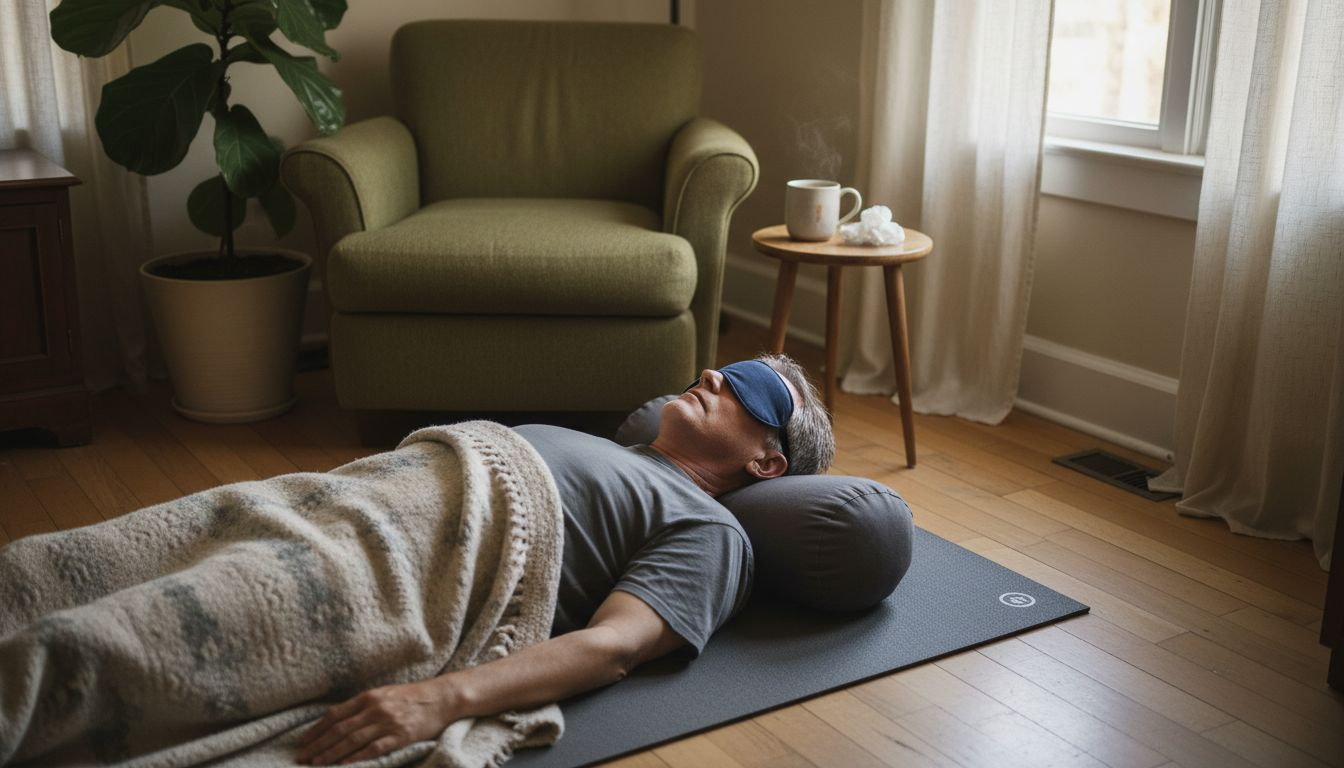
Physically, restorative yoga offers transformative benefits beyond traditional exercise. The carefully supported poses improve flexibility, strengthen core muscles, and support pain management. Unlike high-intensity workouts, this practice allows the body to heal and realign without strain. Practitioners often report increased body awareness, improved posture, and a deeper connection between physical sensations and emotional states. The combination of gentle stretching, deliberate breathing, and complete muscular relaxation creates a holistic healing experience that addresses both physiological and psychological wellness.
Here's a clear summary of restorative yoga's major mental and physical benefits:
| Benefit Type | Impact on Mind | Impact on Body |
|---|---|---|
| Stress Reduction | Encourages deep relaxation | Lowers chronic muscle tension |
| Mental Clarity | Promotes mindfulness and focus | Enhances body awareness |
| Emotional Health | Reduces anxiety and depression | Supports gentle pain management |
| Sleep Quality | Improves sleep patterns | Aids recovery and realignment |
Pro tip: Begin your restorative yoga journey by dedicating just 15-20 minutes per week, gradually increasing duration as you become more comfortable with the practice.
Tools and Poses Used in Restorative Yoga
Restorative yoga relies on specialized props and carefully selected poses to create a deeply supportive practice. The primary goal is to provide complete physical support, allowing practitioners to release tension without muscular effort. Essential props include bolsters, blankets, blocks, straps, and pillows, each strategically positioned to minimize strain and maximize relaxation.
The most transformative restorative yoga poses are designed to promote deep rest and gentle opening. Key poses include Supta Baddha Konasana (Reclining Bound Angle), which opens the hips and lower back, and Legs up the Wall, a powerful position for reducing lower body tension. Supported Child's Pose offers gentle spine and shoulder release, while Shavasana with carefully placed props creates a cocoon of total relaxation. Each pose is typically held for 5 to 10 minutes, allowing the nervous system to shift from active stress response to a state of profound calm.
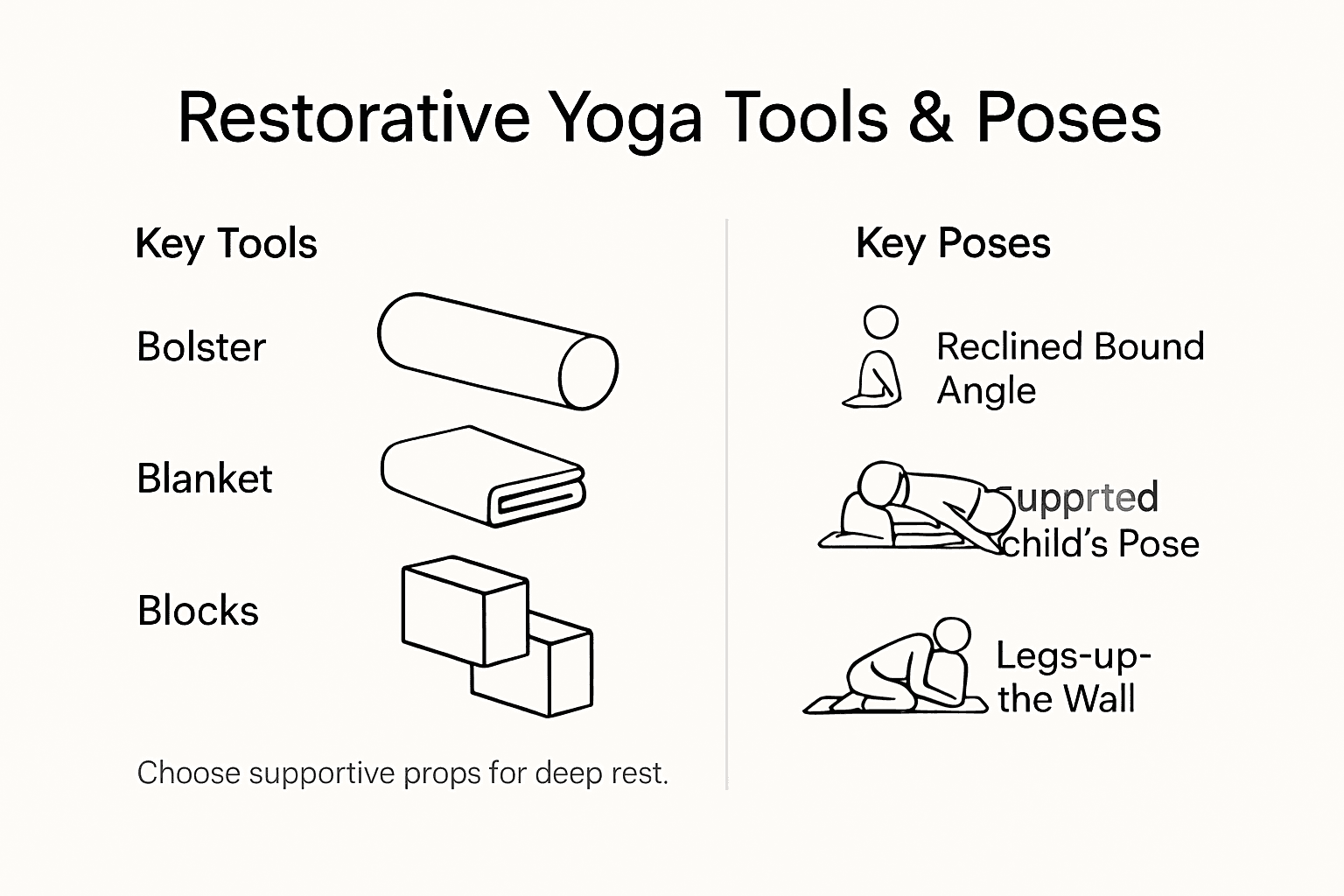
Prop selection is an art form in restorative yoga. Bolsters provide primary support for the spine and joints, while folded blankets offer cushioning and warmth. Blocks help modify poses for different body types, and straps assist in gentle stretching without overextension. The key is creating a personalized support system that meets individual physical needs, making the practice accessible to people of all flexibility levels and physical conditions.
Pro tip: Invest in versatile, firm props like a high-quality bolster and multiple yoga blankets to create a comprehensive home restorative yoga setup.
Key Differences From Yin and Other Styles
Restorative yoga stands distinctly apart from other yoga styles, particularly Yin yoga, with fundamental differences in philosophy and practice approach. While both practices involve long-held poses and prop usage, their intentions diverge significantly. Yin yoga targets connective tissues through moderate stretching, aiming to increase joint mobility, whereas restorative yoga prioritizes complete nervous system relaxation and healing.
The primary distinctions emerge in pose duration, intention, and muscular engagement. Yin yoga typically holds poses for 3-5 minutes with a subtle sensation of stretch, encouraging practitioners to approach a mild edge of discomfort. Restorative yoga, by contrast, emphasizes total physical support and comfort, with poses held for 5-15 minutes to activate the parasympathetic nervous system. The goal shifts from physical manipulation to creating a deeply nurturing environment that allows total mental and physical surrender.
Other yoga styles like Vinyasa or Power Yoga focus on dynamic movement, muscular strength, and cardiovascular engagement. Restorative yoga deliberately rejects this approach, creating a meditative practice that minimizes physical effort. The practice uniquely concentrates on nervous system regulation, using props to create a completely supported experience that allows practitioners to release tension without active stretching. This makes restorative yoga particularly beneficial for individuals recovering from injury, experiencing high stress, or seeking profound relaxation.
This side-by-side comparison shows key differences between restorative yoga, Yin yoga, and dynamic styles:
| Aspect | Restorative Yoga | Yin Yoga | Dynamic Yoga Styles |
|---|---|---|---|
| Main Goal | Deep relaxation, healing | Stretching connective tissue | Build strength, endurance |
| Pose Duration | 5–15 minutes | 3–5 minutes | Few seconds to 1 minute |
| Muscular Effort | None, fully supported | Mild engagement, moderate edge | Active movement required |
| Target Audience | Stress/pain recovery | Mobility/flexibility seekers | Fitness-focused |
Pro tip: When transitioning between different yoga styles, approach restorative yoga with an open mind and release expectations of physical intensity or achievement.
Who Should Practice and What to Avoid
Restorative yoga offers remarkable accessibility for diverse populations, making it an ideal practice for individuals managing stress, chronic pain, or seeking gentle physical restoration. Particularly beneficial for those recovering from injuries, experiencing high stress levels, or managing chronic health conditions, this practice provides a compassionate approach to wellness that does not demand physical intensity or complex movements.
Certain populations should approach restorative yoga with specific considerations. Older adults, individuals with chronic diseases, and those managing physical limitations can find significant benefits from this gentle practice. Practitioners with underlying health conditions must consult healthcare providers before beginning, ensuring the practice aligns with their individual medical needs. It is crucial to avoid any poses that produce pain or excessive discomfort, prioritizing personal comfort and safety above strict adherence to traditional pose structures.
Some critical considerations include avoiding restorative yoga during acute injury phases, immediately following surgical procedures, or when experiencing severe inflammatory conditions. Practitioners should steer clear of more physically demanding yoga styles like Ashtanga, Bikram, or Power Yoga when seeking the healing benefits of restorative practice. Always communicate openly with instructors about physical limitations, recent medical histories, and current health status to receive appropriate modifications and support.
Pro tip: Begin your restorative yoga journey by attending classes with certified instructors who specialize in adaptive and therapeutic yoga practices.
Experience True Deep Relaxation with Restorative Yoga at Amrita Yoga & Wellness
If you are seeking relief from modern stress and longing for profound relaxation, restorative yoga can transform your well-being. This practice gently activates your parasympathetic nervous system to ease tension and promote healing without muscular effort. At Amrita Yoga & Wellness, we understand the challenges of chronic stress and physical discomfort and offer tailored classes that use supportive props and calming environments to help you unwind completely.
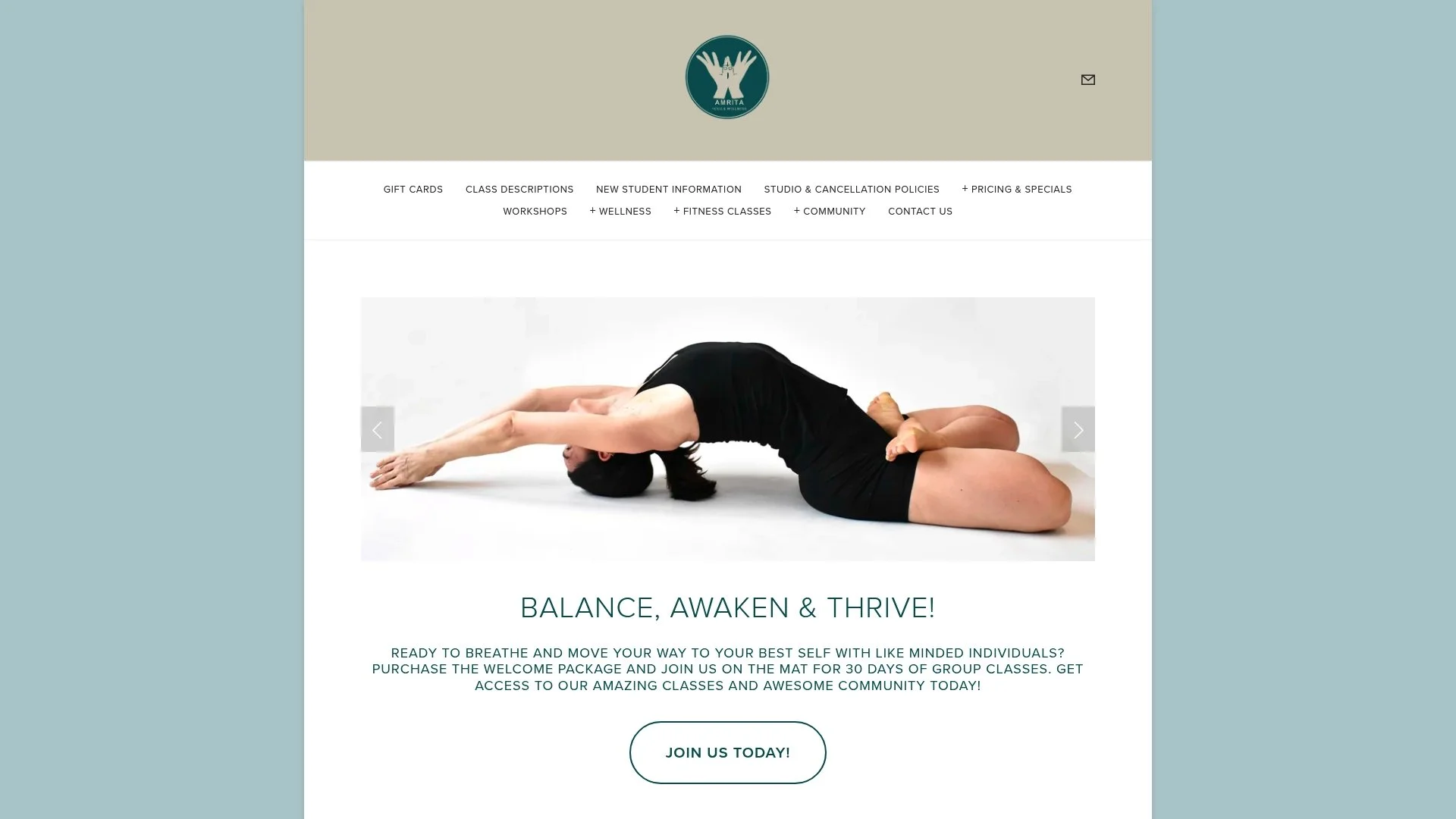
Discover how our expert-led sessions at Amrita Yoga & Wellness can guide you into states of deep mental clarity and physical restoration. Start your journey today by exploring our restorative yoga classes and workshops designed for all levels. Prioritize your healing now by visiting our class schedule and reserve your spot to embrace calm and renewal.
Frequently Asked Questions
What is restorative yoga?
Restorative yoga is a gentle practice that focuses on relaxation and healing through supported poses held for extended periods, typically using props like bolsters and blankets. It aims to activate the parasympathetic nervous system and promote deep relaxation without muscular effort.
How does restorative yoga differ from other yoga styles?
Restorative yoga emphasizes total relaxation and healing, contrasting with styles like Yin yoga that focus on stretching connective tissues or dynamic styles that promote strength and cardiovascular fitness. In restorative yoga, poses are held longer with complete physical support, creating a meditative environment.
What are the benefits of practicing restorative yoga?
Practicing restorative yoga can lead to significant reductions in stress, anxiety, and depression. It also enhances sleep quality, increases body awareness, and supports gentle pain management, making it beneficial for overall mental and physical health.
Who should consider practicing restorative yoga?
Restorative yoga is ideal for individuals managing stress, chronic pain, injuries, or those seeking a gentler, therapeutic approach to wellness. However, it's recommended that individuals with specific health concerns consult their healthcare providers before beginning the practice.