The Amrita Journal
Explore thoughtful stories, practical wellness guidance and inspiring ideas to support your movement, mindfulness and everyday wellbeing at Amrita.
Gentle Yoga Explained: Benefits, Styles, and Practice
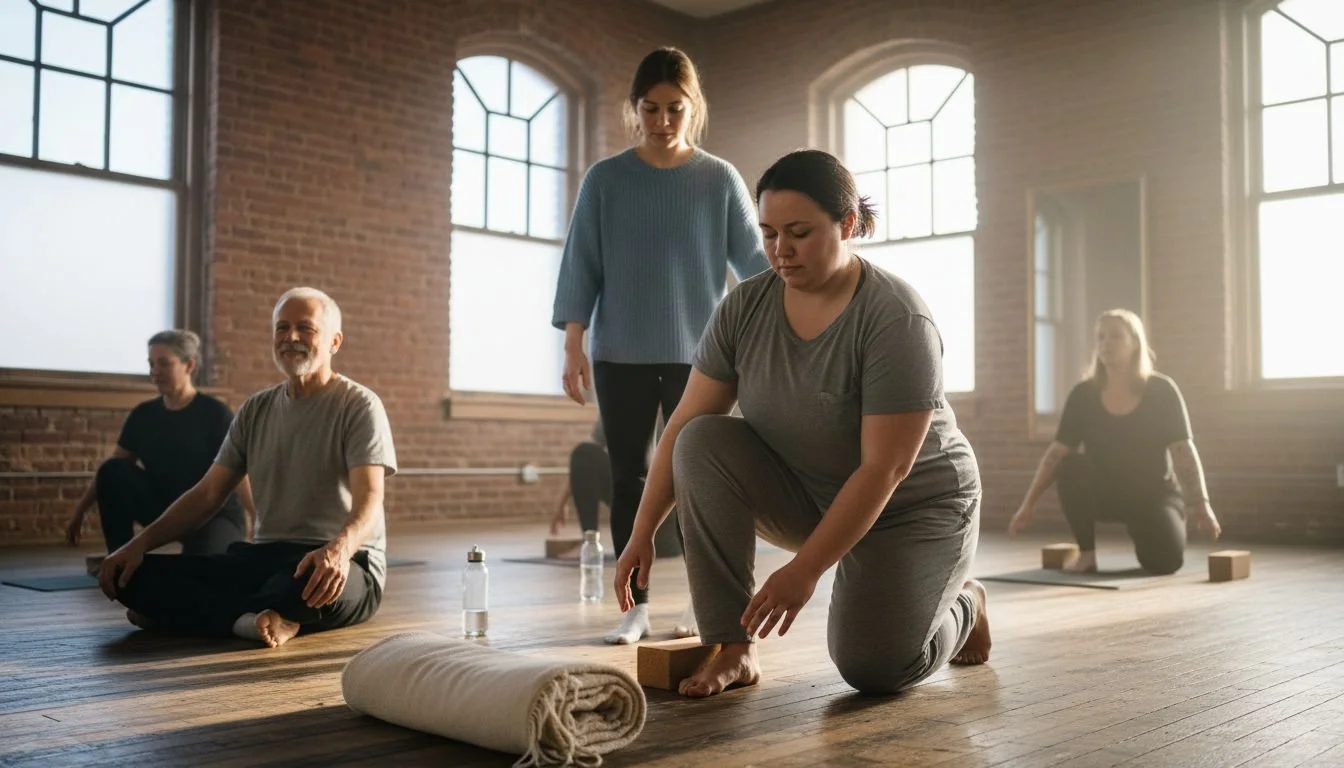
More than twenty million American adults practice yoga each year, but many struggle to find a style that feels approachable and supportive. Gentle yoga offers a solution by focusing on slow movement, deep breathing, and mindful relaxation for all abilities. Whether you are new to yoga or coping with physical limitations, discovering gentle yoga’s core concepts can open up a nurturing way to improve strength, balance, and inner calm without intensity or pressure.
Table of Contents
Key Takeaways
| Point | Details |
|---|---|
| Gentle Yoga Accessibility | Gentle yoga is suitable for all fitness levels, offering a low-impact practice that prioritizes individual comfort and needs. |
| Holistic Health Focus | Incorporating breathwork, meditation, and slow movement, gentle yoga promotes overall well-being and stress reduction. |
| Adaptability | The practice can be adjusted to meet the physical limitations of practitioners, making it ideal for those recovering from injuries or managing chronic conditions. |
| Mindfulness and Relaxation | Gentle yoga encourages mindfulness and relaxation, fostering a compassionate and nurturing environment for practitioners. |
What Is Gentle Yoga? Core Concepts Explained
Gentle Yoga represents a compassionate and adaptive approach to yoga practice designed to accommodate practitioners of all fitness levels and physical capabilities. Unlike more intense yoga styles, gentle yoga focuses on creating a nurturing, low-impact experience that prioritizes individual comfort and holistic wellness.
At its core, gentle yoga introduces foundational Vinyasa techniques performed at a deliberately slow and mindful pace. This style incorporates fundamental yoga philosophy, basic asanas (poses), pranayama (breathing exercises), meditation, and relaxation techniques. The primary goal is providing a comprehensive approach to health that respects each practitioner’s unique physical limitations and personal wellness journey.
The distinguishing characteristics of gentle yoga include its emphasis on core muscle engagement, postural alignment, and tension release. Practitioners can expect simple, graceful movements combined with intentional breathing, which work synergistically to improve flexibility, balance, and overall body awareness. Unlike more aggressive yoga practices, gentle yoga welcomes individuals recovering from injury, managing chronic conditions, or simply seeking a mindful movement practice that nurtures both body and mind.
Suitable for all fitness levels
Low-impact movements
Focus on breathwork and mindfulness
Adaptable to individual physical needs
Promotes relaxation and stress reduction
Whether you are a complete beginner, an experienced yogi seeking a restorative practice, or someone managing physical limitations, gentle yoga offers a compassionate pathway to improved physical and mental well-being.
Key Characteristics and Foundational Practices
Gentle yoga’s foundational practices are meticulously designed to create a holistic approach to wellness that balances physical movement, breath control, and mental awareness. Effective yoga classes follow a structured progression that mirrors natural rhythms of effort and rest, ensuring practitioners experience a comprehensive and mindful practice.
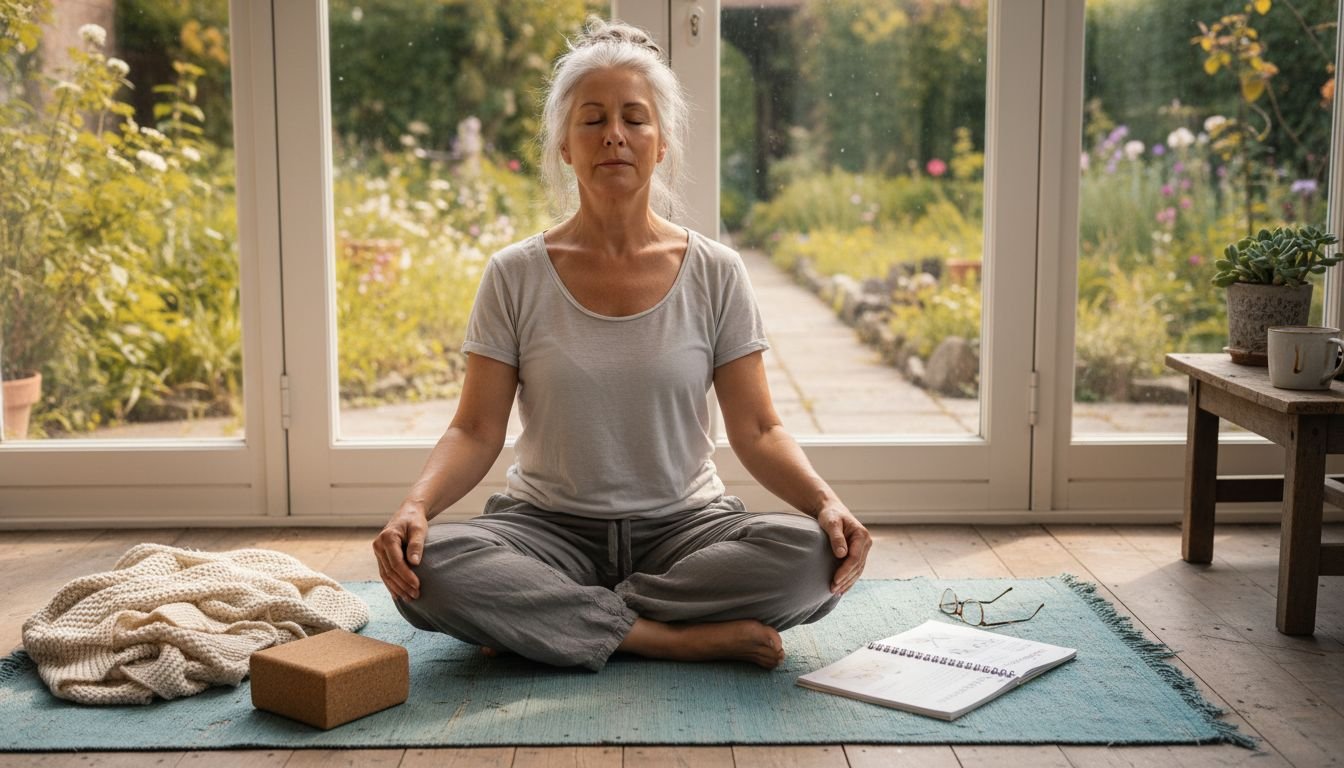
Asanas (physical postures) form the cornerstone of gentle yoga, focusing on precise, deliberate movements that prioritize alignment and individual adaptation. These practices integrate physical postures, breath control, and meditation to promote holistic well-being. Unlike more intense yoga styles, gentle yoga emphasizes quality of movement over quantity, allowing practitioners to explore each pose with intentionality and self-awareness.
The typical gentle yoga session encompasses several key components that work synergistically to support overall wellness:
Opening and Intention Setting: Establishing mental focus and personal goals
Gentle Warm-up: Preparing the body with slow, mindful movements
Foundational Postures: Practicing accessible asanas with modifications
Breathwork (Pranayama): Connecting movement with conscious breathing
Meditation and Relaxation: Integrating mental calm and physical release
Through this thoughtful approach, gentle yoga creates a nurturing environment where individuals can explore their physical capabilities, cultivate inner peace, and develop a compassionate relationship with their bodies.
Major Styles and Approaches to Gentle Yoga
Gentle Yoga encompasses several distinct styles, each offering a unique approach to mindful movement and holistic wellness. Hatha Yoga stands out as a foundational practice, characterized by a slower pace and emphasis on precise physical postures and breath alignment, making it particularly accessible for beginners and those seeking a more measured practice.
Core Strength Vinyasa represents another innovative approach to gentle yoga, integrating postures with sophisticated movement principles that prioritize anatomical awareness and fluid transitions. This style introduces a unique ‘wave’ movement concept that softens traditional pose progressions, allowing practitioners to explore strength and flexibility with greater mindfulness.
The primary gentle yoga approaches include:
Restorative Yoga: Focuses on complete relaxation and healing
Yin Yoga: Targets deep connective tissues through extended pose holds
Chair Yoga: Adapts traditional poses for limited mobility
Gentle Hatha: Emphasizes slow, deliberate movements
Therapeutic Yoga: Designed for rehabilitation and specific health conditions
Choosing a yoga style that matches individual wellness goals helps practitioners develop a sustainable and enriching practice. Each approach offers unique benefits, ensuring that gentle yoga remains an adaptable and inclusive practice for diverse physical needs and personal wellness journeys.
Health Benefits and Ideal Audiences
Gentle yoga interventions have demonstrated remarkable effectiveness in addressing chronic pain and improving physical function, making this practice particularly beneficial for individuals managing long-term health challenges. Practitioners with conditions like osteoarthritis can experience significant improvements through consistent, mindful practice that combines supervised group sessions with home-based techniques.
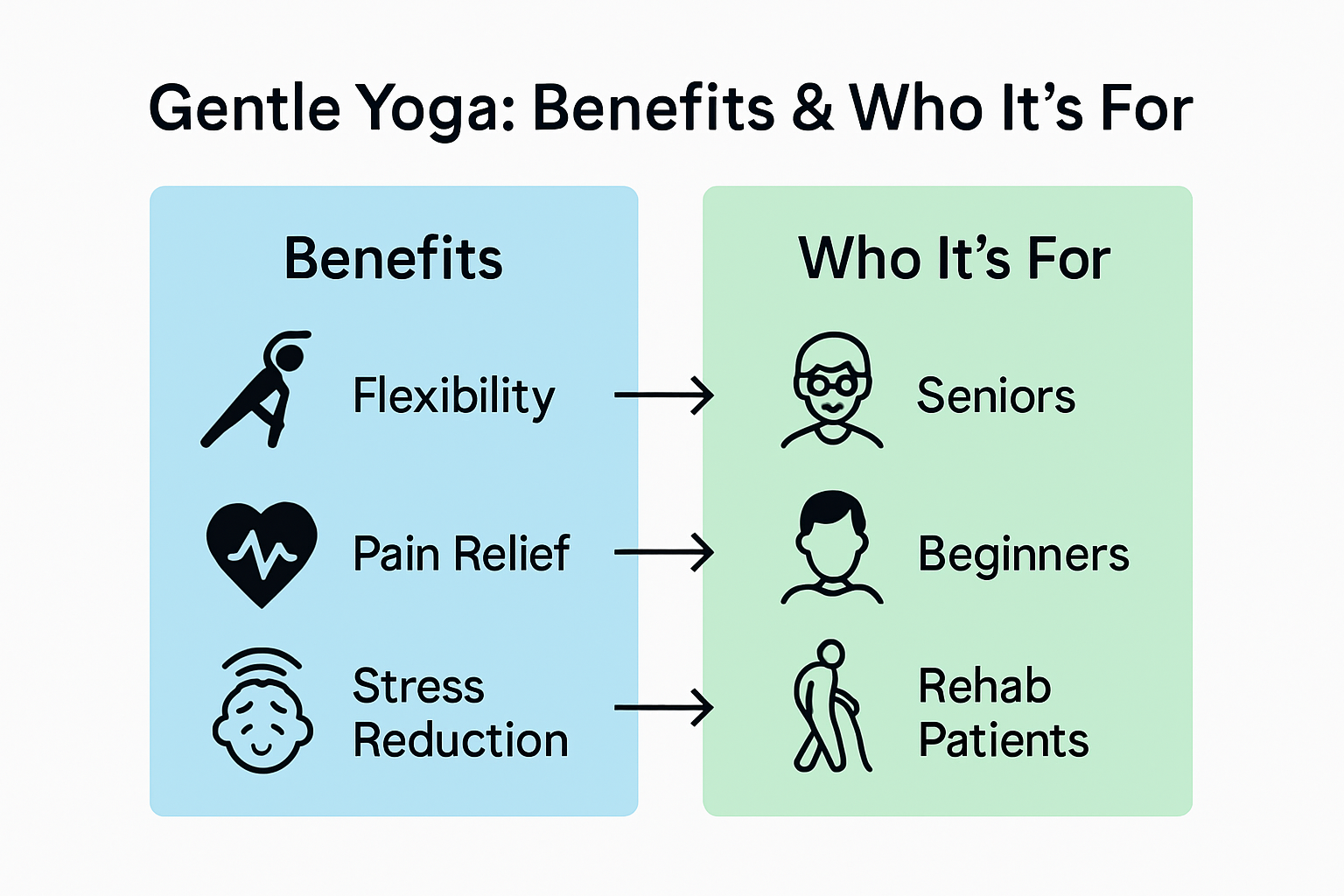
A comprehensive national survey reveals yoga’s broad appeal as a holistic approach to wellness, addressing mental, physical, and emotional health needs. This versatility makes gentle yoga an ideal practice for diverse populations seeking comprehensive well-being strategies that extend beyond traditional exercise routines.
Ideal audiences for gentle yoga include:
Chronic Pain Sufferers: Seeking low-impact movement and pain management
Seniors: Maintaining mobility and balance with safe, adaptive practices
Individuals Recovering from Injury: Rebuilding strength with minimal strain
Stress Management Seekers: Reducing anxiety through mindful movement
Beginners: Exploring yoga without intimidating physical demands
Professionals with Sedentary Lifestyles: Counteracting desk-related physical tension
By offering a compassionate and adaptable approach, gentle yoga provides a transformative wellness experience that meets practitioners exactly where they are, supporting individual health journeys with patience and understanding.
Common Mistakes and Practice Tips
Adhering to a structured class framework is crucial for preventing injuries and maximizing the effectiveness of gentle yoga practice. Practitioners often make the mistake of rushing through poses or pushing beyond their current physical capabilities, which can lead to unnecessary strain and potential injury.
Modifications are a key strategy for creating an inclusive and accessible yoga experience. Understanding how to adapt poses to individual needs allows practitioners to maintain a safe and supportive practice, regardless of fitness level or physical limitation.
Common mistakes to avoid in gentle yoga include:
Ignoring Body Signals: Pushing through pain or discomfort
Poor Alignment: Misunderstanding proper pose positioning
Inconsistent Breathing: Disconnecting movement from breath
Comparing to Others: Focusing on competitive performance
Skipping Warm-up/Cool-down: Neglecting proper preparation and recovery
Practice tips for success:
Start with a qualified instructor
Use props for support and modification
Listen to your body’s unique needs
Practice consistently, but gently
Maintain a non-judgmental attitude toward your practice
Gentle yoga is a journey of self-discovery and healing, where personal progress matters more than perfection. Embrace each practice as an opportunity to connect with your body and cultivate inner peace.
Comparing Gentle Yoga to Other Yoga Styles
Hatha Yoga serves as a foundational practice that shares many characteristics with gentle yoga, emphasizing a slower pace and intentional breath alignment. While traditional yoga styles often focus on intense physical challenges, gentle yoga distinguishes itself by prioritizing mindful movement and individual adaptation over athletic performance.
Core Strength Vinyasa represents a more dynamic approach, integrating sophisticated movement principles that differ from gentle yoga’s contemplative nature. This style introduces more complex transitions and strength-building elements, contrasting with gentle yoga’s primary focus on accessibility and healing.
Key distinctions between gentle yoga and other yoga styles include:
Pace: Gentle yoga moves significantly slower
Intensity: Lower physical demand compared to power or vinyasa styles
Modifications: More extensive adaptive options
Goal: Healing and mindfulness over physical achievement
Accessibility: Welcoming to all fitness levels
Understanding the nuanced differences between yoga styles can help practitioners select the most appropriate practice for their wellness goals. While each yoga style offers unique benefits, gentle yoga stands out as a compassionate, inclusive approach that meets practitioners exactly where they are in their physical and mental wellness journey.
Experience the Healing Power of Gentle Yoga at Amrita Yoga & Wellness
If you are seeking a compassionate and adaptable yoga practice that respects your individual needs while promoting core strength, breath awareness, and mindful movement gentle yoga could be your perfect fit. Many readers exploring gentle yoga are looking to reduce chronic pain improve flexibility and cultivate relaxation in a supportive environment. At Amrita Yoga & Wellness we understand the importance of finding accessible and nurturing classes that help you build confidence while honoring your body’s unique limits.
Join our welcoming community in Philadelphia and discover how gentle yoga styles like Gentle Hatha or therapeutic sessions can support your journey toward holistic wellness. With expert instructors and thoughtfully designed classes you will find the guidance and modifications needed to avoid common pitfalls and deepen your practice safely. Visit Amrita Yoga & Wellness today to explore our full schedule of classes and workshops tailored to all levels. Take a positive step now to prioritize your health through mindful movement and breathe new life into your well-being.
Frequently Asked Questions
What are the main benefits of gentle yoga?
Gentle yoga offers numerous benefits, including improved flexibility, balance, and body awareness. It is particularly effective for managing chronic pain, reducing stress, and promoting relaxation, making it suitable for individuals of all fitness levels.
What styles are considered part of gentle yoga?
Gentle yoga encompasses various styles such as Restorative Yoga, Yin Yoga, Chair Yoga, Gentle Hatha, and Therapeutic Yoga. Each style emphasizes mindful movement and adaptability, catering to diverse physical needs and wellness goals.
How is gentle yoga different from other yoga styles?
Gentle yoga is characterized by its slower pace, lower intensity, and extensive use of modifications compared to more challenging styles like Power Yoga or Vinyasa. Its primary focus is on healing and mindfulness rather than athletic performance.
Who should practice gentle yoga?
Gentle yoga is ideal for chronic pain sufferers, seniors, individuals recovering from injuries, beginners, and anyone seeking to manage stress through mindful movement. It accommodates various fitness levels and physical capabilities.