The Amrita Journal
Explore thoughtful stories, practical wellness guidance and inspiring ideas to support your movement, mindfulness and everyday wellbeing at Amrita.
Yoga accessories list for enhanced practice in 2026
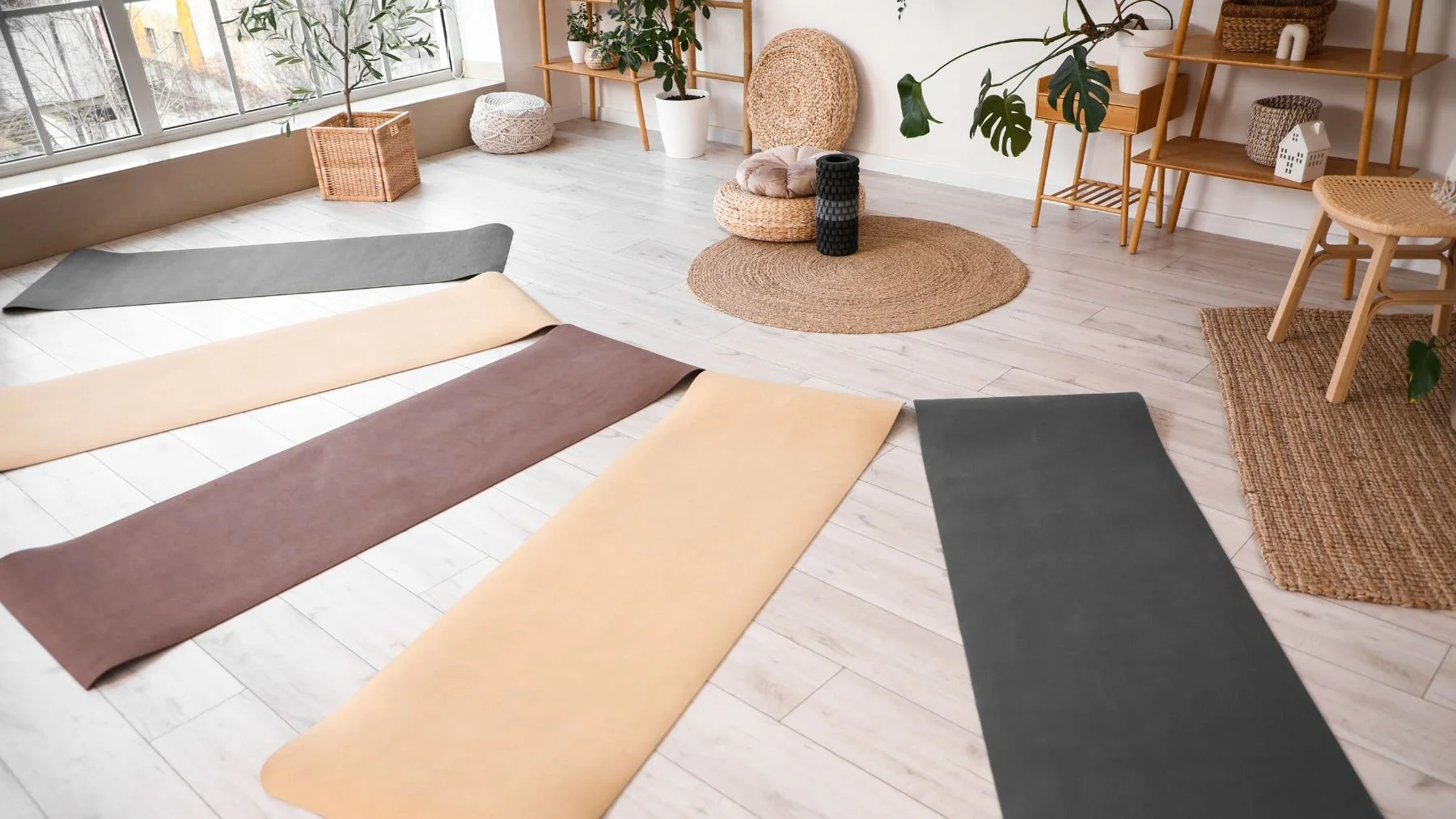
Choosing the right yoga accessories can feel overwhelming with countless options promising better grip, alignment, and comfort. Philadelphia yogis face unique decisions balancing quality, portability, and wellness goals while building their practice toolkit. The right gear transforms your sessions from basic movement into deeply supportive experiences that protect joints, improve form, and accelerate progress. This guide walks you through essential criteria for selecting accessories, compares top options, and matches gear to your skill level and wellness objectives for 2026.
Table of Contents
Key takeaways
| Point | Details |
|---|---|
| Right accessories improve grip, alignment, and comfort | Quality gear prevents slips, supports proper form, and cushions joints during practice |
| Props like blocks and straps enhance pose accuracy | These tools help you access deeper stretches while reducing injury risk |
| Investing in quality gear supports long-term wellness | Durable accessories last longer and provide consistent safety throughout your yoga journey |
| Advanced practitioners benefit from accessories | Props allow experienced yogis to explore new sensations and refine alignment |
| Selection criteria optimize your experience | Choosing based on material, thickness, and portability ensures gear matches your needs |
How to choose essential yoga accessories: criteria for 2026
Selecting yoga accessories requires evaluating several key factors that directly impact your safety and practice quality. Choosing the right yoga mat provides grip and joint protection, forming the foundation of smart accessory decisions. Philadelphia practitioners should prioritize these criteria when building their toolkit.
Grip and cushioning stand as primary considerations. Mats with textured surfaces prevent dangerous slips during challenging poses, while adequate padding protects knees, wrists, and spine from hard floor contact. Durability matters equally since quality yoga accessories reduce injury risk and last longer, making them worthwhile investments for regular practitioners.
Props must support proper alignment and make poses accessible across skill levels. Blocks should provide stable height options, straps need secure buckles and comfortable grip, and bolsters require firm yet comfortable filling. Consider these specific features:
Material composition affects grip, weight, and environmental impact
Thickness determines cushioning level and stability during balancing poses
Size and portability influence whether gear works for studio classes or home practice
Price point should balance quality with budget without compromising safety
Accessories should match individual flexibility and body type. Taller practitioners benefit from longer straps, while those with sensitive joints need thicker mats. Choosing good yoga mats tailored to your body creates a safer foundation for growth.
Pro Tip: Test accessories before committing to full sets. Many Philadelphia studios allow you to try different props during class, helping you identify what feels right for your unique practice needs.
Top essential yoga accessories and their benefits
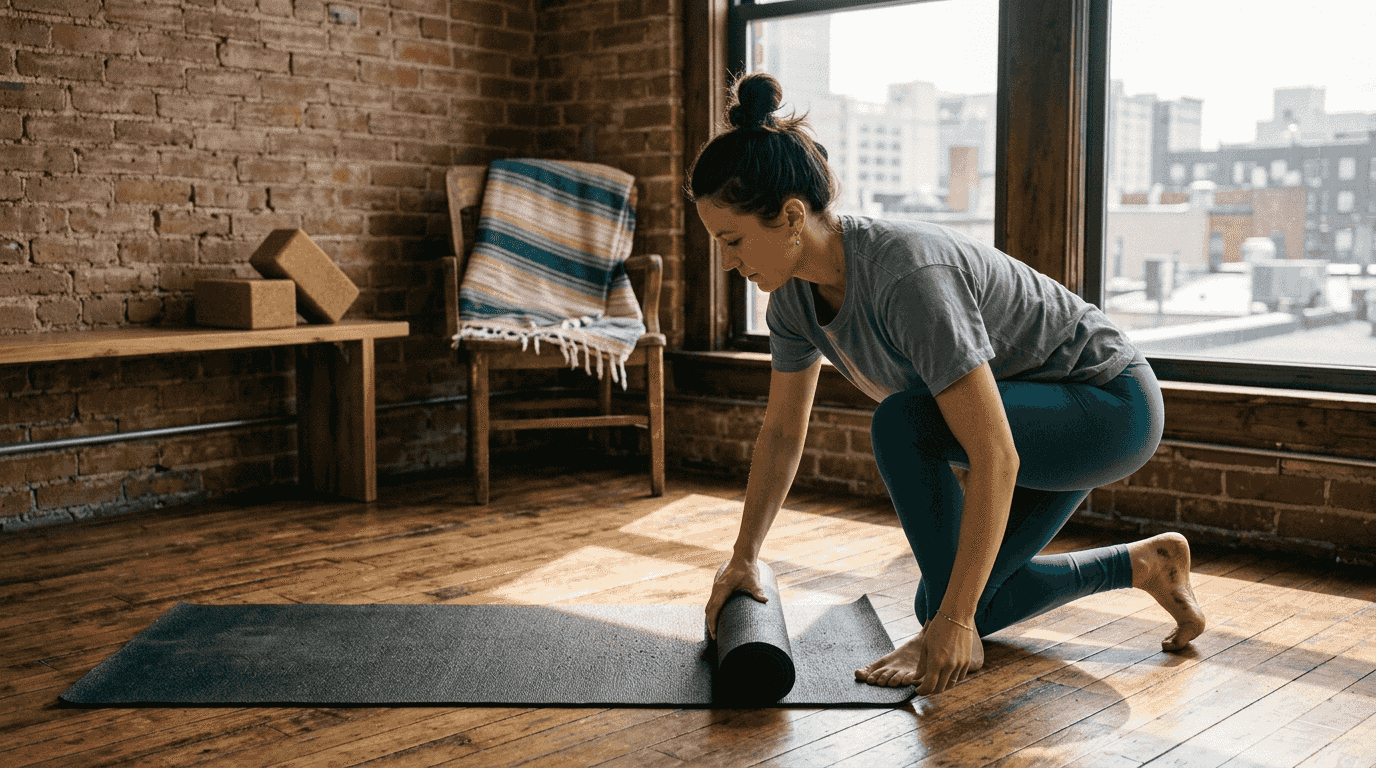
Yoga mats serve as your practice foundation, providing the grip and cushioning that prevent slips while protecting joints from hard surfaces. Natural rubber mats offer superior traction but weigh more, while PVC options provide lightweight portability with decent grip. Cork mats naturally resist bacteria and improve grip as you sweat, making them ideal for hot yoga enthusiasts in Philadelphia studios.
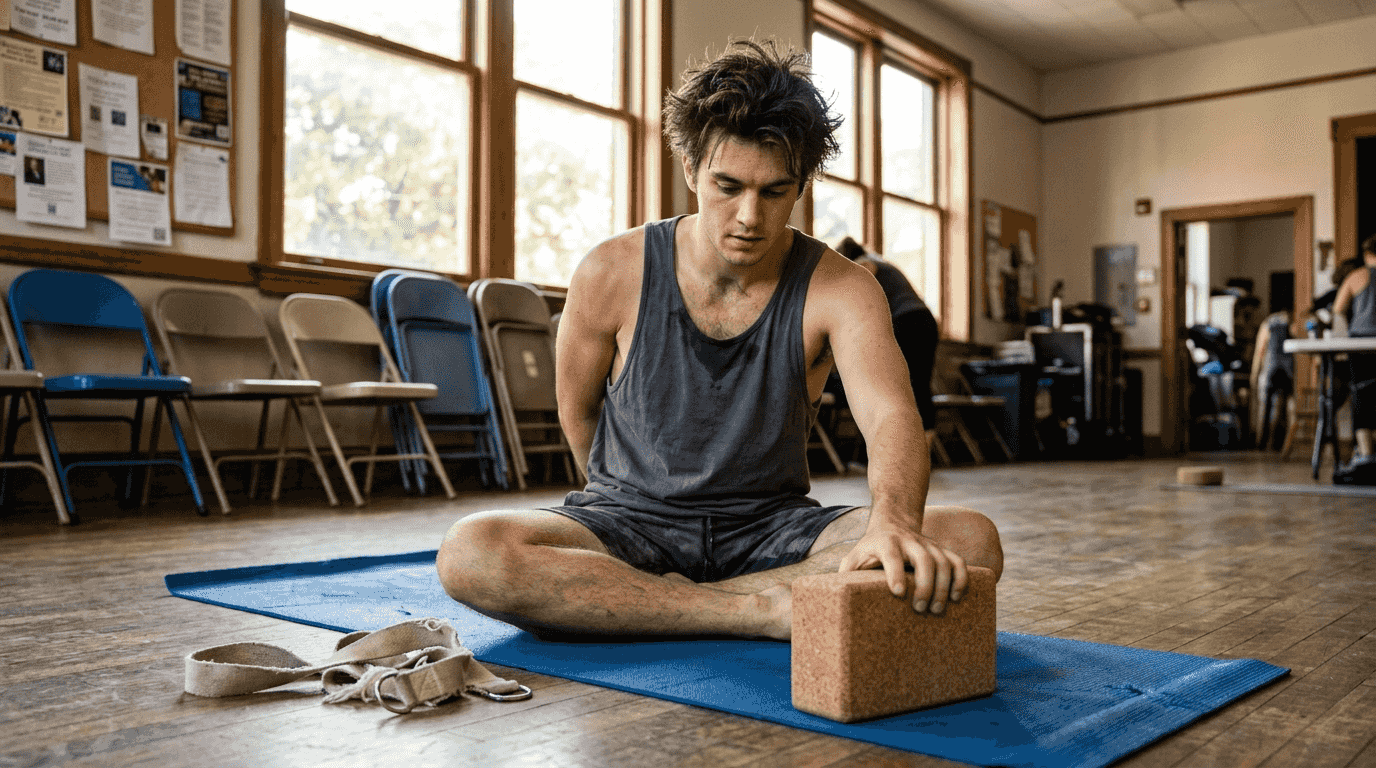
Blocks and straps revolutionize accessibility and depth. Props like blocks and straps help deepen stretches and improve alignment, bringing the floor closer during forward folds or extending reach in binds. Cork blocks provide firm stability, foam blocks offer lightweight comfort, and bamboo blocks combine durability with eco-friendliness. Straps with D-ring buckles allow secure length adjustments for shoulder openers and hamstring stretches.
Bolsters and blankets transform restorative practice by supporting relaxation poses and providing comfort during meditation. Rectangular bolsters work well for supported backbends, while round bolsters excel in gentle hip openers. Mexican blankets offer versatile cushioning, warmth during savasana, and folded support under knees or hips.
These accessories benefit practitioners across the spectrum. Yoga props enhance alignment and muscle engagement, making challenging poses accessible regardless of current flexibility. Beginners gain confidence with supported modifications, intermediate students deepen their practice safely, and advanced yogis explore subtle refinements.
Consider these accessory benefits:
Mats reduce joint strain during kneeling and seated poses
Blocks bring the ground closer, preventing overstretching and strain
Straps extend reach without compromising form or forcing muscles
Bolsters support passive stretching that increases flexibility over time
Blankets provide temperature regulation and customizable cushioning
Exploring best yoga mats helps you understand how quality gear elevates every aspect of practice, from basic poses to advanced sequences.
Comparison of popular yoga accessories to find your best fit
Comparing accessories side by side reveals important differences that affect your practice experience. Material choices significantly impact performance. Natural rubber provides excellent grip and cushioning but adds weight, making it less portable. PVC mats offer lightweight convenience with moderate grip, while cork combines antimicrobial properties with improving traction as moisture increases.
Thickness determines comfort and stability balance. Standard 3mm mats suit experienced practitioners prioritizing ground connection, 5mm options provide joint protection without sacrificing balance, and 6mm mats offer maximum cushioning for sensitive knees and wrists. Using yoga props improves alignment and stability, reducing injury risk when thickness matches your needs.
Price ranges reflect quality and longevity. Budget mats cost $20 to $40 but may wear quickly, mid-range options from $50 to $80 balance durability with affordability, and premium mats exceeding $100 often last years with proper care. Higher investment typically means better materials, superior grip, and longer lifespan.
| Accessory Type | Material Options | Thickness/Size | Price Range | Best For |
|---|---|---|---|---|
| Yoga Mat | Natural rubber, PVC, cork | 3mm to 6mm | $20 to $120 | Foundation for all practices |
| Yoga Block | Cork, foam, bamboo | 3x6x9 inches standard | $10 to $30 per pair | Alignment support, modifications |
| Yoga Strap | Cotton, nylon | 6 to 10 feet long | $8 to $20 | Extending reach, assisted stretching |
| Bolster | Cotton fill, buckwheat | 24 to 28 inches long | $40 to $90 | Restorative poses, meditation |
Portability matters for Philadelphia yogis attending studio classes versus practicing at home. Lightweight travel mats fold compactly but sacrifice cushioning, while standard mats require carrying bags but provide better support. Review yoga mat selection tips to balance portability with comfort.
Pro Tip: Prioritize grip and cushioning over aesthetics. A plain mat with superior traction protects you better than a beautiful design that slips during downward dog.
Choosing accessories for your practice level and wellness goals
Beginners build strong foundations with essential accessories that provide support and prevent injury. A quality mat with 5mm thickness offers joint protection while learning proper alignment. Blocks help new practitioners reach the floor in triangle pose or modify challenging sequences safely. Basic straps assist with seated forward folds when hamstrings feel tight.
Intermediate practitioners deepen their practice by adding specialized props. Bolsters enable longer holds in restorative poses that build flexibility gradually. Multiple block heights create progressive challenges in standing poses and arm balances. Blankets provide subtle lift adjustments that refine alignment in seated meditation and pranayama breathing exercises.
Advanced practitioners use props to explore new layers of sensation and refine alignment, accessing deeper variations that challenge strength and flexibility simultaneously. Wall ropes, yoga wheels, and specialty props introduce novel movement patterns that prevent plateaus.
Accessories directly support measurable wellness improvements. Research shows six months of regular yoga improved muscle elasticity, demonstrating how consistent practice with proper support creates lasting physical changes. Another study found yoga improved core endurance significantly for chronic low back pain patients, highlighting how appropriate modifications enable therapeutic benefits.
Match accessories to specific wellness goals:
Pain reduction requires extra cushioning and props that eliminate strain
Flexibility improvement benefits from straps that enable gradual deepening
Strength building uses blocks to increase range and challenge stability
Stress relief relies on bolsters and blankets for supported relaxation
Balance enhancement needs stable mats with superior grip
Exploring yoga and meditation benefits reveals how the right accessories amplify practice outcomes across physical, mental, and emotional dimensions. Philadelphia practitioners investing in appropriate gear for their level create sustainable wellness routines that evolve with their growing capabilities.
Enhance your practice with quality yoga gear at Amrita Yoga & Wellness
Finding the perfect accessories becomes easier when you connect with experienced instructors who understand Philadelphia yogis' unique needs. Amrita Yoga & Wellness offers diverse classes from hot yoga to restorative practices, plus quality gear that supports every practice style.
Their knowledgeable staff helps match accessories to your goals, whether you're exploring gentle therapeutics or challenging power sequences. New student specials make starting your journey affordable, while clear studio policies ensure you know what to expect. Complement your mat work with holistic wellness services like acupuncture that address whole-body health. Visit their Philadelphia location to discover how quality gear and expert guidance elevate your practice and overall wellness.
FAQ
What are the most essential yoga accessories for beginners?
Beginners need a mat with good grip and 5mm cushioning, two yoga blocks for support in standing poses, and a 6-foot strap for seated stretches. These three items provide stability, proper alignment assistance, and safe modifications while learning foundational poses. Quality basics prevent injury and build confidence during early practice.
How do yoga props improve practice for advanced yogis?
Props help experienced practitioners explore subtle alignment refinements and access deeper variations safely. Blocks create height challenges in arm balances, straps enable bind variations in twists, and bolsters support extended holds that develop flexibility. Advanced yogis use accessories to discover new sensations rather than compensate for limitations. Explore yoga and meditation benefits to understand how props deepen mind-body connection.
Can yoga accessories reduce the risk of injury?
Quality accessories significantly decrease injury risk by improving alignment and providing stable support during challenging poses. Props prevent overstretching, reduce joint strain, and allow gradual progression without forcing the body beyond current capabilities. Research confirms that proper prop use enhances stability and reduces harmful compensation patterns that lead to strain.
Where can I find quality yoga accessories in Philadelphia?
Amrita Yoga & Wellnessin Philadelphia offers carefully selected yoga gear that meets safety and durability standards. Their studio provides opportunities to test accessories during classes before purchasing, ensuring you find options that match your practice needs. Their expert instructors offer personalized recommendations based on your goals and experience level.