6 Studio Ready Hybrid Fitness Class Examples You Can Teach Today
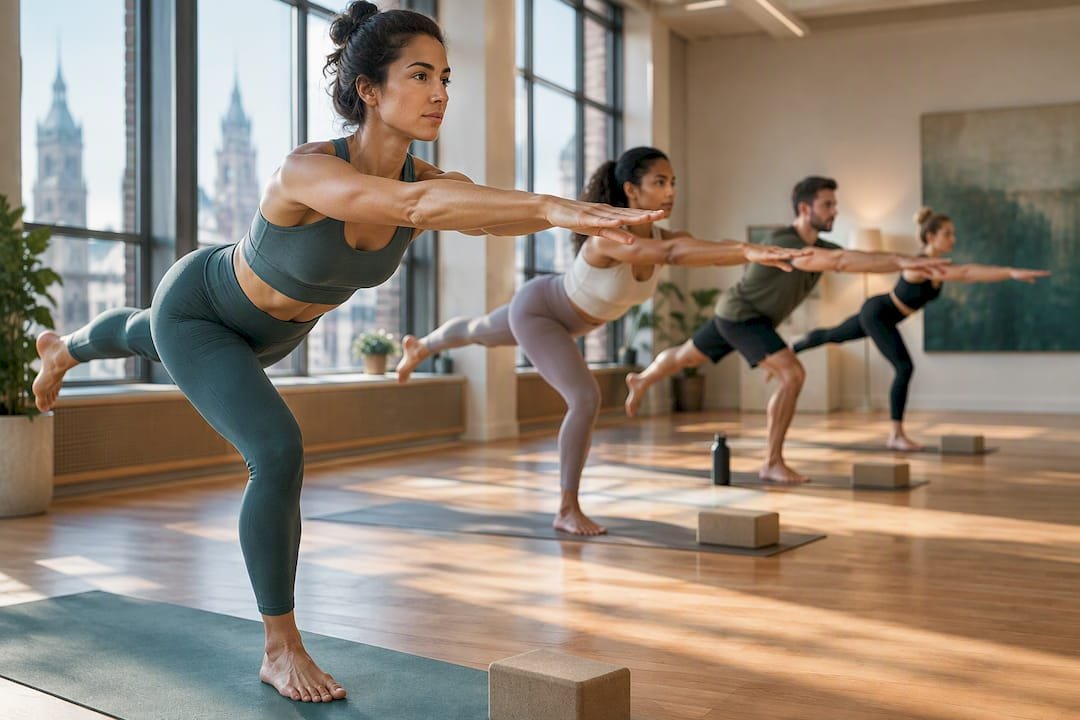
Yoga‑Pilates fusion builds core stability and flexibility. Barre‑yoga flow sculpts muscle while opening tight hips and shoulders. Pilates with breathwork calms the nervous system while it trains deep abdominal control. Tai chi paired with mindfulness sharpens balance and lowers stress hormones. Yoga‑barre strength classes add muscular endurance to a flexibility base. Each hybrid format targets a different mix of goals, and picking the right one comes down to matching your priorities to the blend.
TL;DR:
Yoga‑Pilates fusion is suitable for beginners and seniors and mainly targets core stability, spinal health, and stress reduction in a single session.
Barre‑yoga flow is low-impact, building long muscles and easing recovery, ideal for those returning to exercise after a break.
Tai chi paired with mindfulness improves balance and coordination, especially benefiting older adults or those recovering from lower‑body injuries.
Consistent participation of two to three classes weekly supports flexibility and strength goals, while one to two tai chi sessions help maintain stress relief and balance.
Modifications using props or equipment are common, but individuals with recent injuries or balance issues should consult a healthcare professional before attending.
Amritayogawellness
Explore Hybrid Wellness Practices
Amrita Yoga & Wellness brings yoga, Pilates, barre, tai chi, and other accessible practices together in a Philadelphia community studio.
Explore Amrita Yoga & Wellness
Table of Contents
Hybrid Fitness Class Examples You'll Find at a Studio
Studios have leaned hard into blended formats over the past few years, and the numbers back up why: participation in yoga, Pilates, and mobility-focused classes climbed roughly 27% between 2022 and 2024, with balance, flow, and core strength landing at #5 on ACSM's 2026 fitness trends list. People want more than one outcome from a single hour, and hybrid formats deliver that.
Here are six examples you'll actually encounter on a studio schedule, along with what to expect from each.
Yoga‑Pilates fusion. This is the most widely taught hybrid format, and for good reason: it targets core stability, spinal health, flexibility, and stress reduction in one sequence, which is why it's considered appropriate for beginners and even seniors. Expect sun salutations blended with Pilates hundred‑style core sets, mat work, and controlled breathing. You'll need just a mat and maybe a small ball or resistance band.
Barre‑yoga flow. Ballet‑inspired isometric holds at the barre get paired with yoga stretches and balance poses. The structure typically runs warm‑up, then barre work, then floor work, then a cool‑down. It's low‑impact and builds long, lean muscle without heavy joint strain, making it a good fit for people easing back into exercise after time off.
Pilates with breathwork. Traditional Pilates core sequencing gets slowed down and layered with diaphragmatic breathing drills. The outcome is a stronger core and a noticeably calmer nervous system by the end of class. This one suits anyone managing anxiety or recovering from a stressful stretch, though people with uncontrolled high blood pressure should check with a doctor before deep breath‑holds.
Tai chi and mindfulness. Slow, weight‑shifting tai chi forms combine with guided meditation or body‑scan practices. Neuromotor training like this, done in 20 to 30 minute blocks a few times a week, measurably improves balance and coordination, which makes it a strong pick for older adults or anyone recovering from a lower‑body injury.
Yoga‑barre strength. This leans heavier on muscular endurance than the barre‑yoga flow format, stacking barre sets with longer yoga holds like warrior poses. It suits people who already have some fitness base and want more sculpting alongside flexibility work.
Gentle mobility and core. A slower‑paced blend of joint mobility drills, light Pilates core work, and restorative stretching. It's the easiest entry point for total beginners or anyone returning from injury, and it usually needs nothing but a mat and a block.
Room and equipment needs stay simple across all six. Most just require a mat, and a barre‑based class needs, unsurprisingly, a barre. A few incorporate light props like resistance bands, small balls, or blocks, but none demand the heavier equipment you'd find in a dedicated reformer Pilates studio.
How to Choose the Right Hybrid Class for Your Goals
Start with your actual goal, not the class name. If flexibility and stress relief top your list, lean toward yoga‑Pilates fusion or tai chi and mindfulness. If you want more muscle definition alongside mobility, barre‑yoga or yoga‑barre strength fits better.
Then check these before you book:
Does the class description name a level (beginner, all levels, intermediate)? Vague descriptions often mean vague pacing.
Does it mention modifications or props available in the room?
Is the instructor certified in more than one of the disciplines being blended, not just one with the other borrowed loosely?
Does the studio state a clear intention for the class, rather than just listing styles mashed together? Well‑designed fusion programs spell this out precisely so you know what you're walking into.
Red flags worth pausing on: an instructor who can't answer what a "modified" version of a pose looks like, a class labeled "all levels" that runs at one unbroken pace, or a studio that can't tell you roughly how much floor time versus standing time the class includes.
Pro Tip: Call or message the studio before your first visit and ask which discipline gets more emphasis that day. Fusion classes often shift their ratio week to week, and knowing the lean helps you show up with the right expectations.
What a Typical 60-Minute Hybrid Class Looks Like
Most hybrid formats follow a similar arc, even when the disciplines being blended differ.
Warm‑up (0 to 10 minutes). Gentle joint circles, cat‑cow stretches, and light tai chi weight shifts to raise body temperature without spiking heart rate.
Main blended work (10 to 35 minutes). This is where the fusion happens: barre pulses at the wall followed by yoga standing poses, or Pilates mat sequences threaded between sun salutations. Expect the instructor to cue transitions clearly so you're never guessing which discipline you're in.
Floor and core work (35 to 50 minutes). Pilates‑style abdominal sets, bridges, and controlled leg lifts, often finished with a longer yoga hold like pigeon pose or a seated twist.
Cool‑down and mindfulness (50 to 60 minutes). Slow stretching, breathwork, and sometimes a short guided meditation to close things out.
A 45 minute version usually trims the main blended block, while a 75 minute class stretches the floor work and adds a longer meditation close. Either way, the sequencing logic stays the same.
Staying Safe: Modifications and What to Watch For
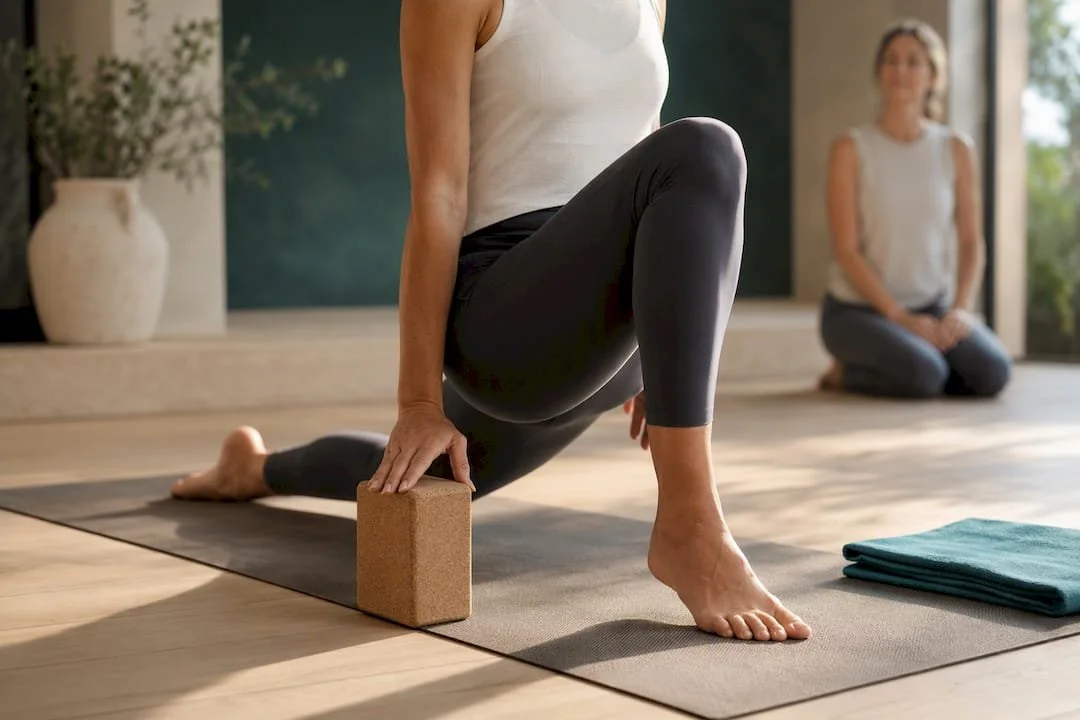
Hybrid classes mix movement systems, which means instructor cueing matters more than usual. A well‑run class names the discipline before each transition ("we're moving into a Pilates set now") instead of just flowing silently, so you never lose track of what your body should be doing.
Common modifications to look for:
Blocks under the hands for anyone with tight hamstrings during forward folds.
A chair or wall for balance work if tai chi weight shifts feel unsteady.
Knee pads or a folded mat for extended kneeling in barre or floor Pilates segments.
Reduced range of motion cues for anyone with recent joint surgery or flare‑ups.
Pro Tip: If you have a herniated disc, recent surgery, or a balance disorder, talk to your doctor or physical therapist before attending a hybrid class, and mention it to the instructor beforehand so they can offer targeted modifications from the start.
How Often to Attend Based on Your Goal
Match your weekly attendance to what you're actually chasing:
Flexibility focus: two to three yoga‑Pilates or gentle mobility classes weekly, which lines up with Cleveland Clinic's general guidance on frequency for flexibility gains.
Strength and core focus: two barre‑yoga or yoga‑barre strength classes weekly, paired with one or two separate resistance sessions since full health guidelines call for combining flexibility, resistance, and aerobic work across the week.
Stress relief and maintenance: one to two tai chi and mindfulness or Pilates‑breathwork classes weekly, layered around whatever cardio you're already doing.
Give yourself at least one full rest or light‑movement day between higher‑intensity barre sessions, and increase intensity gradually as your balance and core control improve.
Why We Build Classes This Way
Blended formats work because they respect how people actually move through a week: some days call for strength, some for stretch, some for quiet. Amrita Yoga & Wellness builds its schedule around that reality, running everything from gentle mobility sessions to barre and tai chi so beginners and advanced students can progress at their own pace inside the same community. If you're new to fusion classes, a livestream drop-in is a low‑pressure way to test the waters before stepping into the room.
— Juiced
Try a Hybrid Class at Amrita Yoga & Wellness
Reading about blended classes only gets you so far. Some studios offer these formats regularly, and a first visit can cost less than a single private session elsewhere in the wellness world.
If you're new to hybrid formats, start with a beginner‑friendly session through Nurtured Beginnings at $35 for the pass, which eases you into blended sequencing without assuming prior Pilates or yoga experience. From there, a single Group Class Drop In runs $28 if you want to sample a specific fusion format before committing further. Want to test the waters from home first? The Livestream Class Drop In at $19 lets you try a session on your own schedule. Browse full class descriptions to match a listed session to the examples above, then book your first week and see which blend fits your body best.
Sources
Yoga vs. Pilates: Which Is Right for You? — Cleveland Clinic
Successful Yoga‑Pilates Fusion - IDEA Health & Fitness Association
FAQ
What Is a Hybrid Fitness Class?
A hybrid fitness class blends two or more studio disciplines, most often yoga, Pilates, barre, or tai chi, into a single session. The goal is to combine benefits like flexibility, core strength, and stress relief that a single-discipline class might not cover as fully.
Which Hybrid Class Is Best for Beginners?
Yoga‑Pilates fusion is generally the most accessible starting point since it is designed to suit a wide range of experience levels, including seniors and total beginners. Gentle mobility and core classes work well too if you're easing back into movement after a break.
How Many Times a Week Should I Take a Hybrid Class?
Most people benefit from two to three sessions a week, matched to a specific goal like flexibility, core strength, or stress relief. Balance‑focused formats like tai chi work well at one to two sessions weekly alongside other activity.
Are Hybrid Classes Safe for People With Injuries?
Most hybrid formats offer modifications using props like blocks, chairs, or knee pads, but anyone with a recent surgery, herniated disc, or balance disorder should check with a doctor first. A good instructor will adjust cueing once you flag a limitation before class starts.