Try a $28 Drop In: Holistic Health in Philadelphia
If you're looking for holistic health resources in Philadelphia, start with three tracks: integrative clinics for chronic or complex conditions, complementary therapy centers for targeted support like acupuncture or massage, and community workshops or wellness studios for everyday maintenance. The fastest first step is usually the lowest-commitment one, a drop-in class, a free consult call, or a city wellness event. Amrita Yoga & Wellness is one accessible local option if classes or workshops fit what you need right now.
TL;DR:
Almost all providers should have proper licensure or certification, and transparency about their training and approaches is essential for quality care.
Integrative clinics benefit those managing chronic or complex conditions, while single-modality centers or workshops suit preventive or skill-building goals.
Community workshops are cost-effective options for hands-on learning in herbalism, sound healing, and urban farming, often at little or no expense.
For mental health, blending therapy with mind-body practices and community resources yields more sustainable results than isolated interventions.
Start small with one class or consultation, and prioritize providers or programs that emphasize ongoing support and coordination with other care sources.
Amritayogawellness
Find Your Wellness Practice
Explore yoga, Pilates, barre, tai chi, massage therapy, classes, and workshops through Amrita Yoga & Wellness in Philadelphia.
Explore Amrita Yoga & Wellness
Table of Contents
What holistic health includes and the common modalities you'll find locally
Local clinics and complementary therapy options: what they do and when to choose them
Community workshops and events: hands-on learning and low-cost access
Integrative mental health in Philadelphia: blended approaches and community supports
A compact checklist: how to evaluate and choose a provider or workshop
Resources for ongoing support and follow-up in holistic health
What holistic health includes and the common modalities you'll find locally
Holistic health is not one thing. The NCCIH draws a distinction between complementary approaches (used alongside conventional medicine), alternative approaches (used in place of it), and integrative approaches (which combine both in a coordinated plan). Whole-health frameworks described in the NCBI Bookshelf emphasize care that is people-centered, comprehensive, and equitable, with an eye toward upstream factors like housing, stress, and social connection rather than symptoms alone.
In Philadelphia, that translates into a wide mix of providers and formats. You'll commonly find:
Movement-based practices like yoga, pilates, and tai chi
Bodywork including massage, acupuncture, and Ayurvedic treatments
Naturopathy and herbalism, often taught through hands-on community classes
Nutritional counseling and sound healing sessions
Integrative psychiatry that blends medication with lifestyle and mind-body support
When you're sizing up a provider, look for basic quality signals: proper licensure for their modality, some demonstrated trauma or cultural competence, and a willingness to coordinate with other providers on your care team rather than working in isolation.
Local clinics and complementary therapy options: what they do and when to choose them
Philadelphia's holistic landscape splits roughly into two categories. Integrative medical clinics tend to be multi-disciplinary, building longer-term treatment plans that combine conventional medicine with complementary practices for chronic or layered conditions. Single-modality centers, think acupuncture studios, homeopathy practices, or hypnotherapy offices, focus on one approach and often work well for a specific, narrower concern.
What to expect when booking:
An initial intake that covers health history, current symptoms, and goals
Session lengths that typically run 45 to 90 minutes for bodywork or therapy-style appointments
Fee structures that vary by provider, with many clinics offering brief or free initial consults
Insurance coverage that is inconsistent across modalities, so it pays to ask upfront
Choose clinic-based integrative care when you're managing something chronic, complex, or layered with multiple symptoms. Choose a studio, workshop, or single-modality center when you're focused on prevention, stress management, or building a specific skill like a home yoga practice or basic herbal remedies.
Pro Tip: Before a first call or intake, jot down a short timeline of your symptoms, current medications, and self-care routines. It makes the conversation faster and gives the provider something concrete to work from.
Community workshops and events: hands-on learning and low-cost access
Some of the most accessible holistic health resources in Philadelphia aren't clinics at all, they're workshops. Community farms, botanical gardens, and local nonprofits regularly host sessions on herbalism, sound healing, and urban farming, often at little or no cost.
The PHS Community Farm runs workshops on growing, harvesting, and processing medicinal herbs, while Bartram's Garden hosts sessions like its Afro-herbalism elderberry class, where participants leave with practical takeaways like a homemade elderberry oxymel or herbal salve. These events are typically hands-on rather than lecture-style.
To find them, check:
City and neighborhood event calendars
Community farm and botanical garden event pages
Local Facebook groups dedicated to Philadelphia wellness workshops
Wellness expos and nonprofit programming listed seasonally
These workshops complement clinical care well. They build practical skills and community connection, which matters even when you also have a therapist or physician on your team.
Integrative mental health in Philadelphia: blended approaches and community supports
Integrative mental health care in Philadelphia often blends conventional therapy with mind-body and lifestyle support. A common combination pairs CBT or ACT with mindfulness practice, sleep and nutrition coaching, and, when appropriate, medication management. For trauma-related concerns, some providers add body-based modalities like somatic work alongside talk therapy.
Therapist directories show many Philadelphia practitioners already work this way, mixing CBT, ACT, psychodynamic, and relational approaches rather than sticking to a single method. Many offer brief initial consultations specifically to align treatment with your goals and circumstances.
When looking for integrative mental health support, ask at your free consult:
Which specific approaches they blend and why
How they coordinate with a psychiatrist or primary care provider if medication is involved
Whether they have experience with trauma-informed or culturally responsive care
Philadelphia also runs public programs worth layering alongside private care. The city's Department of Behavioral Health and Intellectual disAbility Services and its broader Wellness Ecosystem Initiative have expanded recovery-oriented housing and on-site behavioral health supports, making community-based options a meaningful complement to a private therapist or clinic.
A compact checklist: how to evaluate and choose a provider or workshop
Before booking anything, run through this:
Confirm licensure or certification appropriate to the modality.
Ask what treatment approach they use and why it fits your situation.
Ask about trauma-informed or culturally responsive training.
Get clear on cost, session length, and whether a sliding scale or insurance applies.
Check accessibility: telehealth options, evening hours, or location.
Pro Tip: On a first call, ask directly: "What does a typical treatment plan look like, and how will we know it's working?" A provider who can't answer clearly is a signal to keep looking.
Watch for red flags: promises of a guaranteed cure, no interest in coordinating with your other providers, or vague answers about training and credentials.
Amrita Yoga & Wellness: a local, community-centered option for classes, workshops, and some complementary services
Amrita Yoga & Wellness is a Philadelphia studio offering a range of entry points into holistic practice:
Yoga classes across various styles, suitable for a range of experience levels
Pilates mat and reformer classes, barre, and tai chi movement practices
Massage therapy and Ayurveda-based treatments
Wellness workshops covering topics like tarot readings and breathwork
Teacher trainings and private sessions
Amrita works well as a first step for movement, stress relief, and community connection. For chronic or complex medical concerns, an integrative clinic is still the better starting point, and a studio like Amrita fits alongside that care rather than replacing it.
Patient experiences with holistic health in Philadelphia
Outcomes from holistic health work in Philadelphia tend to look different from a single clinical metric. People who combine a weekly yoga or pilates class with occasional bodywork often describe better sleep, steadier stress levels, and more consistency showing up for themselves, benefits that build gradually rather than overnight. Someone managing chronic pain might pair regular massage or acupuncture with a longer-term relationship at an integrative clinic, using each piece for a different part of the picture.
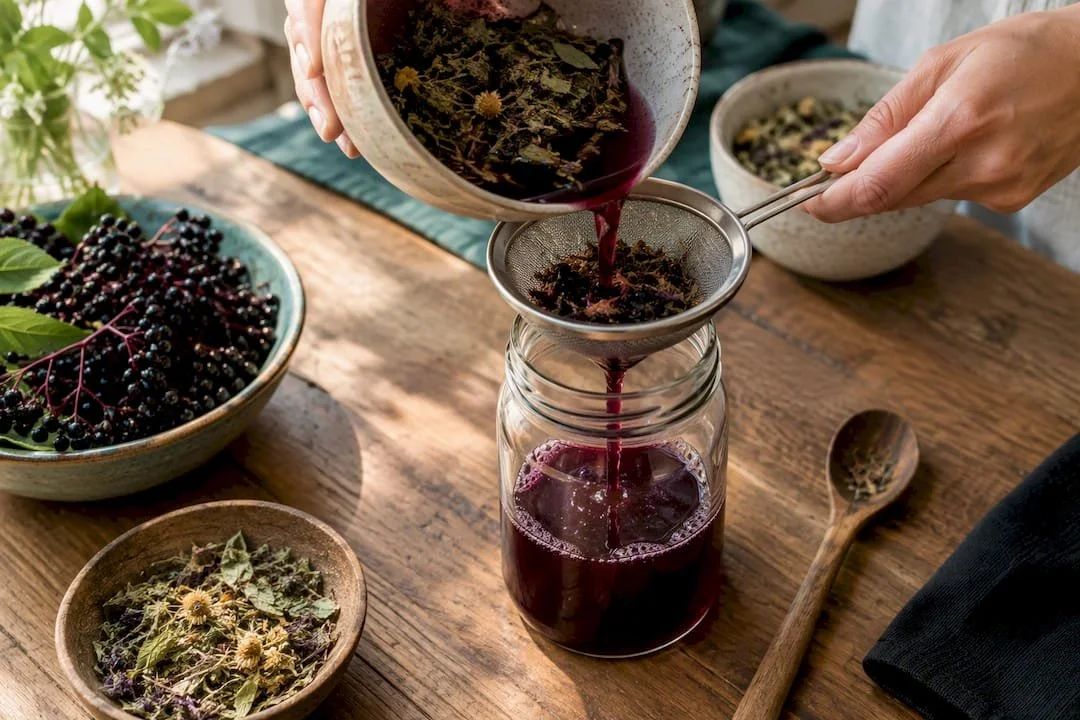
Community workshops add another layer. A participant who takes an herbalism class at a community farm might walk away with a practical skill, like making an elderberry oxymel, alongside a sense of connection to other people pursuing similar goals. That combination of skill-building and community is part of what whole-health frameworks point to when they describe team well-being and comprehensive care as core elements of effective support.
None of this replaces a formal study or guarantees a specific result for any individual. What it does show is a pattern common across integrative approaches: layering small, consistent practices, movement, bodywork, community learning, and clinical care where needed tends to produce steadier results than relying on any single intervention alone. If you're new to holistic health in Philadelphia, that's a reasonable expectation to set rather than a promise of quick transformation.
Resources for ongoing support and follow-up in holistic health
Holistic health rarely works as a one-time fix. Sustained results usually come from checking in regularly, whether that's a support group, a recurring class, or an online community.

Philadelphia's public infrastructure offers some of this built in. The Wellness Ecosystem Initiative has opened recovery-oriented housing and community programs designed for ongoing, not one-off, support. These programs are especially useful if you're managing a behavioral health condition alongside other holistic care.
For less formal follow-up, look at:
Recurring community workshops at local gardens and farms, which build relationships over multiple sessions rather than a single visit
Local Facebook groups focused on Philadelphia wellness events, which often share ongoing meetups
Therapist-led group sessions, which some integrative mental health providers offer alongside individual care
Studio memberships that create a regular rhythm of classes rather than sporadic drop-ins
The common thread is consistency. A single acupuncture session or one workshop can help, but the providers and programs built for repeat visits tend to be where people see the most durable change.
Building a wellness plan without losing your way
Start small: one class, one consult, one workshop. Track what shifts. Add clinic-based care for anything chronic, and lean on Philadelphia's community programs for connection along the way.
— Juiced
How Amrita can help you get started
If a class or workshop is your next step, Amrita Yoga & Wellness makes it simple to try one without committing to a long-term plan first. Drop into a group class, book a private session, or explore Ayurvedic treatments.
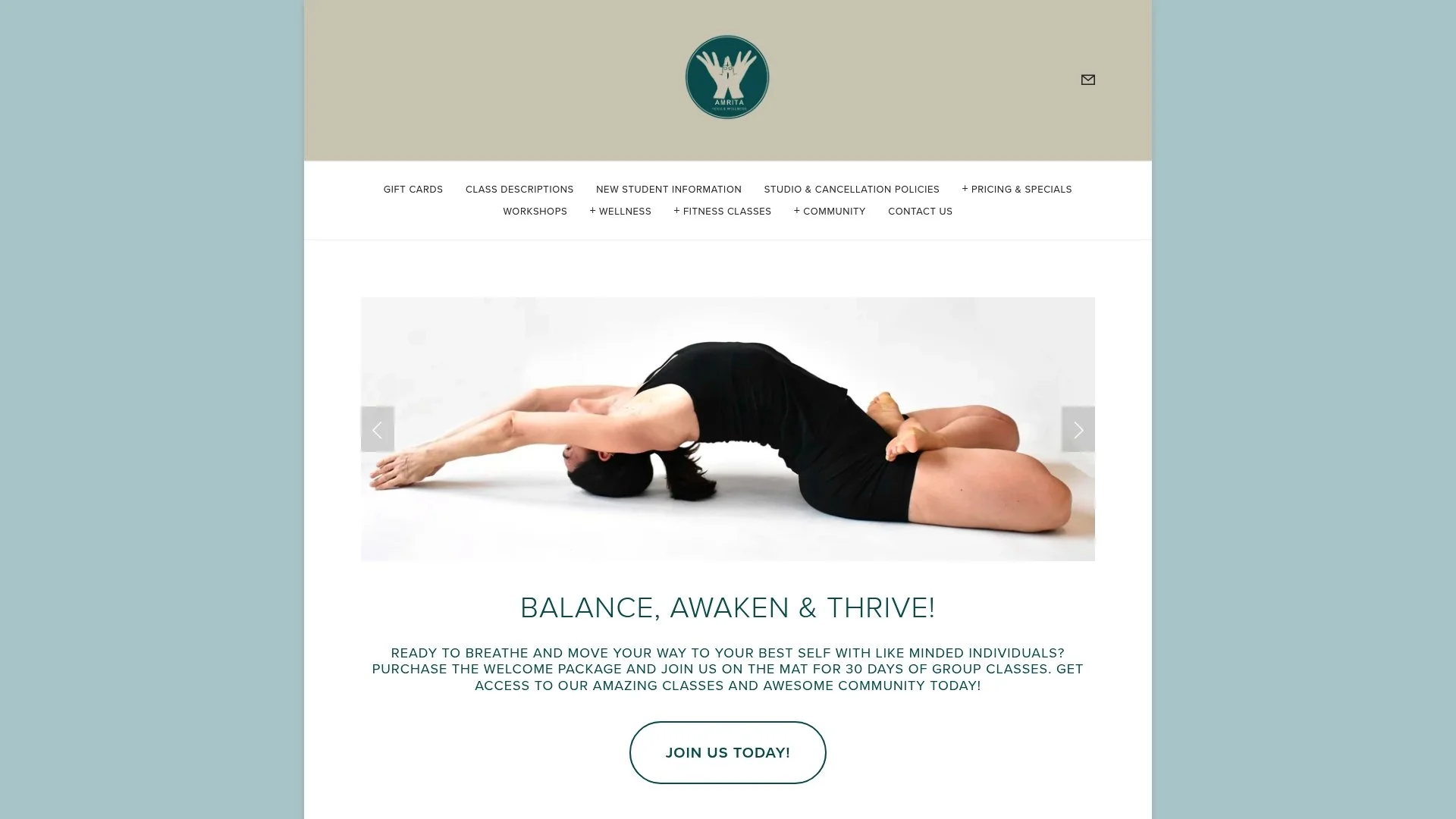
Try a group or livestream drop-in class with no long-term commitment
Book a private one-on-one session for individualized attention
Explore Shirodhara, Abhyanga, or other Ayurvedic therapies for targeted bodywork
Check new student specials if you're visiting for the first time
For medically complex needs, an integrative clinic should still lead your care plan. For everyday movement, stress relief, and community, Amrita is ready when you are.
Sources
FAQ
What is included in holistic health?
Holistic health typically includes conventional medical care alongside complementary practices like acupuncture, massage, yoga, herbalism, and nutritional counseling. Whole-health frameworks describe it as people-centered and comprehensive, addressing physical, mental, and social factors together rather than treating symptoms in isolation.
Is a doctor of holistic medicine a real doctor?
It depends on the specific credential and training program, since "holistic medicine" covers a range of licensure paths rather than one standardized degree. Ask any provider directly about their license, training, and scope of practice before booking, especially for anything beyond wellness maintenance.
Does holistic medicine really work?
Results vary by modality and individual, and the research on integrative medicine frames it as combining clinical experience with multiple traditions rather than promising a fixed outcome. Many people find value layering complementary practices, movement, bodywork, community support, alongside conventional care rather than as a replacement for it.
What are some examples of holistic medicine?
Common examples include yoga, acupuncture, massage therapy, Ayurvedic treatments, herbalism, and integrative psychiatry that combines therapy, lifestyle support, and medication when needed. In Philadelphia, you'll also find these paired with community programs like herbalism workshops at local gardens and farms.
How do I find affordable holistic health options in Philadelphia?
Community workshops at gardens, farms, and nonprofits are often free or low-cost entry points, alongside public programs through the city's Wellness Ecosystem Initiative. For studio classes, drop-in options like those at Amrita Yoga & Wellness let you try a single session, starting at $28 for a group class, before committing to a membership.