36.7% Rise in Use: Evidence Based Complementary Health for Adults

Complementary health practices are non-mainstream approaches, like acupuncture, yoga, and mindfulness meditation, used alongside conventional medical care rather than instead of it. Some have solid evidence for specific problems such as chronic pain and anxiety; many others lack conclusive proof. The safest path is choosing evidence-backed options, verifying practitioner credentials, and telling your clinician what you're trying, which the sections below walk through step by step.
TL;DR:
Evidence supports using practices like yoga and acupuncture specifically for chronic pain and certain mental health issues, but many other approaches lack strong proof.
Practitioner credentials and licensing vary by region, so verify training and ask for certification before starting any complementary therapy.
Combining conventional medicine with evidence-backed practices improves safety and effectiveness, but using non-mainstream methods as substitutes can delay necessary treatment.
Herbal supplements can interact dangerously with medications, and unsafe practices or unqualified providers increase injury and health risks.
Starting with a clear health goal, verifying the evidence, and booking trained instructors in a controlled setting helps ensure safe, beneficial use of complementary approaches.
Amritayogawellness
Explore Complementary Wellness Practices
Amrita Yoga & Wellness offers yoga, Pilates, barre, tai chi, massage therapy, workshops, and retreats in Philadelphia.
Table of Contents
What Is the Difference Between Complementary, Alternative, and Integrative Health?
An Editorial Take on Trying Complementary Practices Responsibly
Ready to Try a Complementary Practice? Here's Where to Start
What Is the Difference Between Complementary, Alternative, and Integrative Health?
The terms get mixed up constantly, and the confusion isn't accidental. Providers, insurers, and researchers use these words differently, which means the same yoga class might get labeled "complementary" in one clinic and "integrative" in another.
Here's the distinction that actually matters, per the National Center for Complementary and Integrative Health (NCCIH):
Complementary means using a non-mainstream approach together with conventional medicine. Someone doing acupuncture alongside physical therapy for a bad knee is practicing complementary health.
Alternative means using a non-mainstream approach in place of conventional medicine. This is rarer than people assume, and it's also the version most likely to cause harm when it delays effective treatment.
Integrative health coordinates conventional and complementary approaches in a planned way, usually through a clinician who manages both sides of the plan.
Whole-person health looks beyond a single symptom or diagnosis to sleep, stress, diet, movement, and relationships as connected factors in health.
Traditional medicine, in global health terms, refers to long-standing indigenous or culturally rooted systems (Ayurveda, traditional Chinese medicine). The World Health Organization now uses the umbrella term TCIM (traditional, complementary, and integrative medicine) to cover all of it under one policy framework.
Terminology also shifts by country. A practice regulated as a licensed medical profession in Germany might be sold as an unregulated wellness service in the United States. That gap explains a lot of the confusion people run into when they compare advice from different sources.
What Are the Main Types of Complementary Health Approaches?
Complementary practices generally fall into a handful of categories, and knowing which bucket a practice sits in tells you a lot about how it's studied, delivered, and regulated.
Mind-body practices include meditation, mindfulness, and guided imagery. These range from free apps to structured clinical programs like Mindfulness-Based Stress Reduction (MBSR), which runs as an eight-week course with a trained instructor.
Movement-based practices blend physical exercise with mental focus. Yoga, tai chi, and qigong fall here, typically taught in group classes but increasingly available through livestream or on-demand formats.
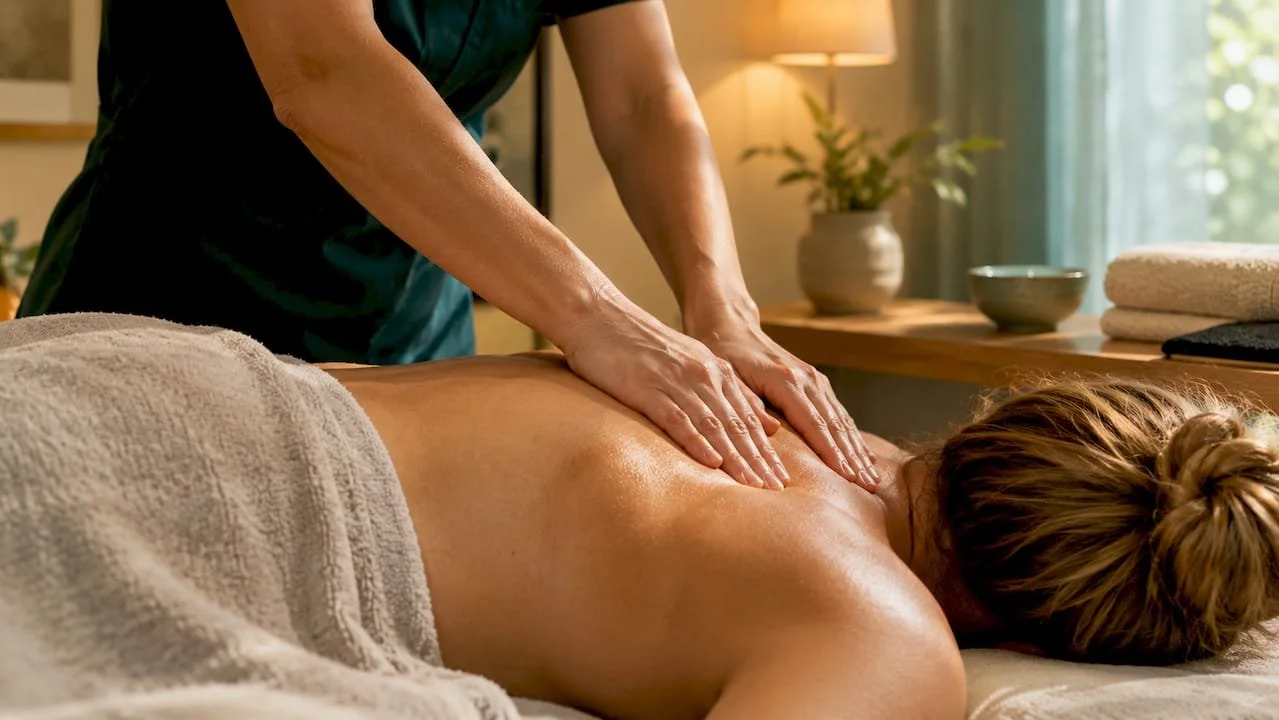
Manipulative and body-based practices are practitioner-administered. Massage therapy, chiropractic adjustment, and osteopathic manipulation all involve hands-on work and require in-person delivery.
Nutritional and natural products cover herbs, dietary supplements, and probiotics. These are sold over the counter with far less regulatory oversight than prescription drugs, a gap worth remembering before you assume a supplement label tells the whole story.
Energy therapies and whole medical systems include acupuncture, Reiki, Ayurveda, traditional Chinese medicine, and homeopathy. Evidence quality varies enormously across this group, from acupuncture's relatively solid pain research to homeopathy's weak clinical support.
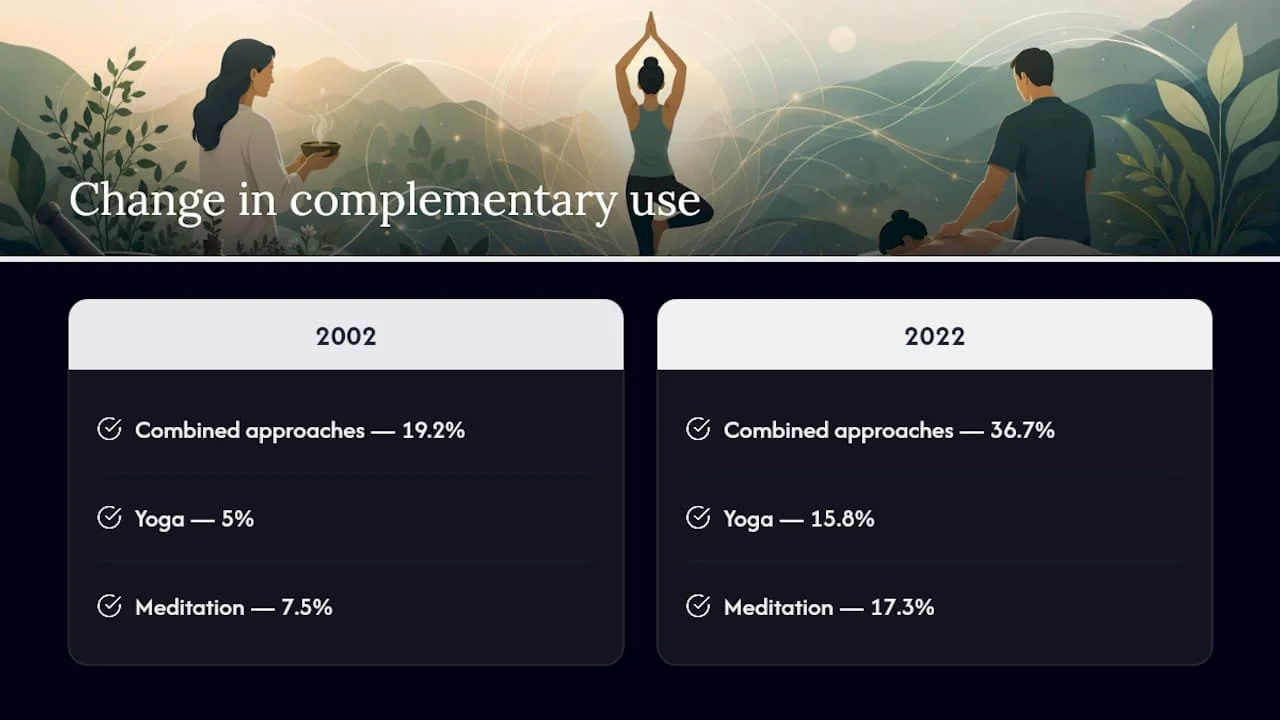
Usage of these approaches has climbed sharply. NHIS data tracked by NCCIH show combined use of selected complementary approaches rose from 19.2% in 2002 to 36.7% in 2022, with yoga jumping from 5% to 15.8% of adults and meditation from 7.5% to 17.3% over the same period.
Delivery format matters more than people think. A supplement bought online carries different risks than a yoga class with a live instructor who can spot a bad shoulder position, and a self-guided meditation app serves a different purpose than a clinical MBSR program run by a trained facilitator.
Does the Research Actually Support These Practices?
Short answer: for some conditions, yes, and reasonably well. For others, the evidence is thin or mixed.
Acupuncture, yoga, tai chi, massage, and relaxation techniques show measurable benefit for specific pain conditions and certain mental health outcomes in systematic reviews summarized by NCCIH, though the strength of that evidence varies by condition and by which outcome you're measuring. Clinical guidance has moved in this direction too. Nonpharmacologic options, including several complementary approaches, are increasingly recommended as first-line treatment for chronic low-back pain rather than jumping straight to medication.
Here's roughly how the evidence sorts by condition:
Strong-to-moderate support: chronic low-back pain (yoga, acupuncture), knee osteoarthritis (tai chi), mild-to-moderate anxiety and depression symptoms (mindfulness meditation).
Moderate support: balance and fall prevention in older adults (tai chi), tension headache frequency (massage, relaxation techniques).
Weak or inconsistent support: many herbal supplements for chronic disease prevention, homeopathy for most conditions studied.
The prevalence numbers back up why this matters to so many people. A population-weighted analysis of NHIS data found meditation was used by roughly 18.3% of U.S.
That said, the research has real limits. Trials on complementary approaches tend to be smaller than pharmaceutical trials, interventions vary widely between studies (one "yoga" trial might use a gentle restorative style, another a vigorous vinyasa flow), follow-up periods are often short, and publication bias likely inflates some positive findings. None of that erases the genuine signal in the data. It does mean you should treat "acupuncture helps with chronic pain" as a real but bounded claim, not a universal guarantee.
Are Complementary Health Practices Safe?
"Natural" is not the same as "harmless," and this is where people get into trouble. Herbal supplements can interact with prescription medications, sometimes seriously. St. John's Wort reduces the effectiveness of certain antidepressants and birth control. Some herbs thin the blood in ways that compound with anticoagulants like warfarin, raising bleeding risk during surgery or dental work.
Practice-specific cautions matter too:
Pregnancy often requires modified yoga poses and avoidance of certain essential oils and herbal supplements.
Immunocompromised patients should ask about hygiene practices for anything involving needles or skin contact, including acupuncture.
Anticoagulant users should disclose any herbal supplement use before starting a new one, since interactions aren't always listed on the label.
Unsupervised yoga practice carries a real injury risk. Research on yoga-related musculoskeletal injury points to poor form and lack of modification as the main culprits, not the practice itself.
Safety reporting across clinical trials of complementary approaches remains limited overall, so absence of reported harm isn't the same as proof of safety.
Practitioner credentials vary by state and by discipline. Massage therapists and acupuncturists are licensed in most states, but "wellness coach" or "energy healer" often carries no licensing requirement at all. Ask directly about training, certification body, and years in practice before booking.
Pro Tip: Bring your full supplement list to your next doctor's appointment, even the ones you consider "just vitamins." Interaction risk is one of the most overlooked safety gaps in complementary care.
How Do You Choose a Complementary Practice Safely?
Start with a clear goal rather than a vague sense that you should "try something holistic." Chronic back pain, sleep trouble, and general stress each point toward different practices with different evidence bases.
Identify your goal (pain, stress, sleep, mobility).
Check the evidence for that specific use, not just the practice in general.
Verify practitioner credentials and licensing status in your state.
Disclose medications and conditions before your first session.
Start low and track results using simple metrics: pain scale, sleep hours, or anxiety frequency over two to four weeks.
Ask a practitioner about their training, contraindications for your specific health situation, expected timeline for results, and what stopping the practice looks like if something feels wrong. The National Cancer Institute's guidance on complementary and alternative medicine offers a useful model for these questions, especially for patients managing a serious diagnosis alongside complementary care.
Watch for red flags: anyone promising to cure a serious disease, pressure to abandon conventional treatment, or vague, unlisted ingredients in a product. On coverage, check your insurance plan's CPT codes for acupuncture and massage therapy before assuming it's out of pocket. Many plans now cover a limited number of visits.
An Editorial Take on Trying Complementary Practices Responsibly
Most guides on this topic split into two camps: breathless promotion or blanket skepticism. Neither serves the reader well. The honest position is that evidence quality is uneven across this entire field, and treating "complementary medicine" as one monolithic thing, either all valid or all pseudoscience, misses what the research actually shows condition by condition.
A studio environment can model this well when it takes safety seriously. A local studio offers a range of yoga styles, including restorative and hot yoga, alongside tai chi and massage therapy, with instructors trained to modify poses for joint issues, pregnancy, or limited mobility rather than pushing a one-size-fits-all class. That kind of screening and accommodation is exactly what turns a low-risk practice into an even lower-risk one. If you have a health condition or take medication that might interact with a new practice, tell your clinician before you start and mention it when booking a class or session so instructors can adjust accordingly.
— Juiced
Ready to Try a Complementary Practice? Here's Where to Start
Reading about evidence and safety only gets you so far. At some point, trying a class with people trained to teach it safely is the better next step than guessing your way through a YouTube video alone.
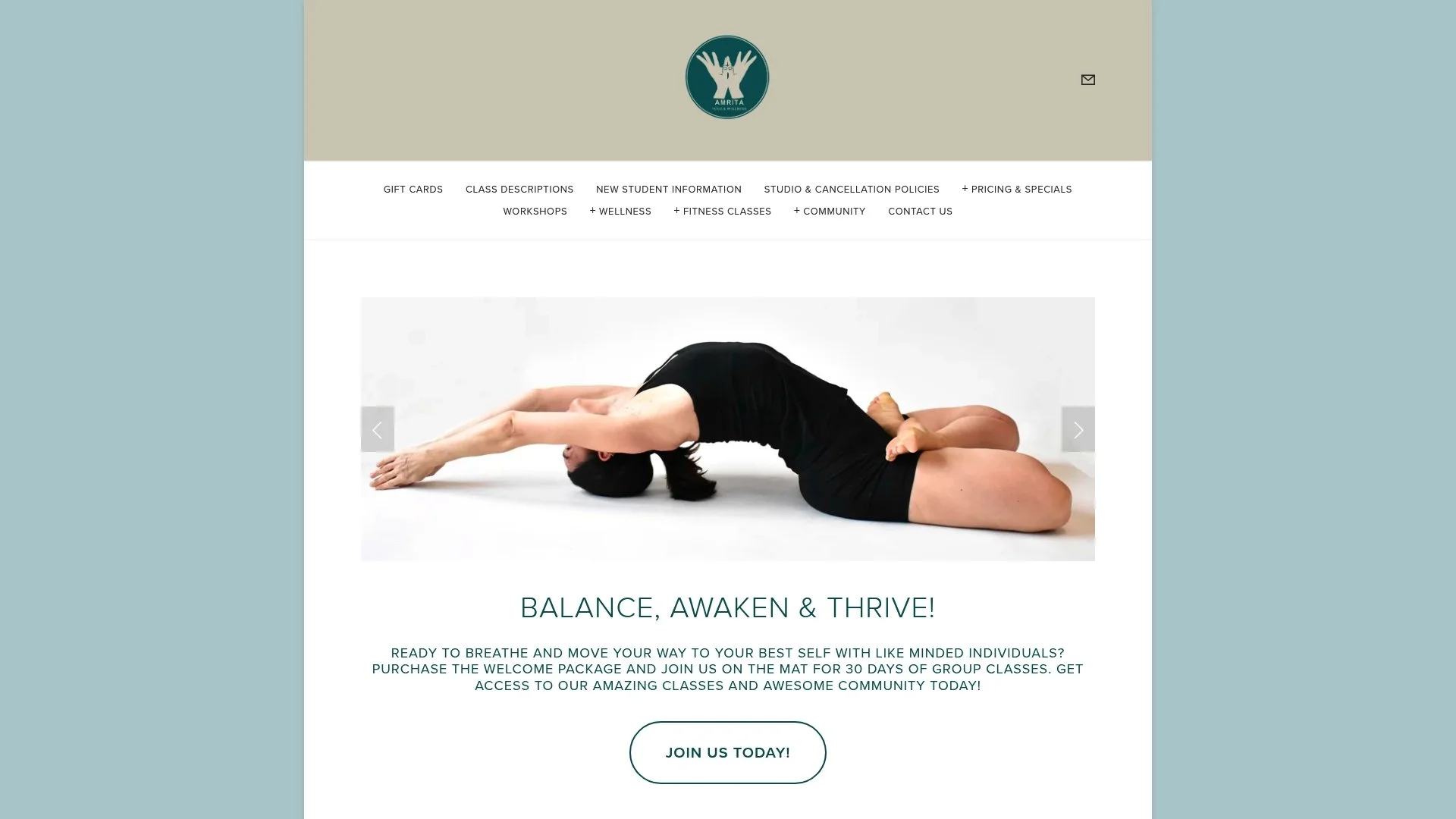
A Philadelphia-area wellness studio provides adults a way to try these evidence-supported approaches with instructors present to check form and offer modifications, something a solo app session can't do. You can start with a Group Class Drop In at $28 per session, or book a One to One Session from $85 per hour if you'd rather work through an injury or condition with individual attention. For whole-person approaches rooted in traditional systems, the studio's Ayurvedic therapies include Abhyanga at $120 per session and Shirodhara at $90 per session. When you book, mention any health conditions, medications, or specific goals so staff can point you toward the right class or session. Check current class times and book a spot through the class schedule.
Where to Learn More
For deeper reading beyond this overview: NCCIH covers terminology and evidence summaries; NCI addresses CAM in cancer care; the WHO TCIM strategy covers global policy; and NHIS trend data tracks two decades of usage patterns.
This article is general information, not a substitute for advice from a qualified doctor. Consult a qualified healthcare professional about your own circumstances before acting on anything here.
Sources
FAQ
What Are the 5 Major Types of Complementary Medicine?
The widely used categories are mind-body practices (meditation, mindfulness), movement-based practices (yoga, tai chi, qigong), manipulative and body-based practices (massage, chiropractic), nutritional and natural products (herbs, supplements), and energy therapies or whole medical systems (acupuncture, Ayurveda, traditional Chinese medicine). Evidence quality differs significantly across these categories, from solid pain research on acupuncture to weaker support for some energy therapies.
Is Complementary and Alternative Medicine (CAM) Covered by Insurance?
Coverage varies widely by plan and by practice. Acupuncture and massage therapy are increasingly covered for specific conditions like chronic pain, so check your plan's CPT codes before assuming a service isn't covered. Supplements and most energy therapies are rarely reimbursed.
Do Complementary Therapies Actually Work?
Some do, for specific uses. Yoga, acupuncture, tai chi, and mindfulness meditation have documented benefits for certain pain conditions and mental health symptoms, while many herbal supplements and some energy therapies lack strong clinical support. The honest answer depends entirely on which practice and which condition you're asking about.
Can You List Common Complementary Therapies?
Common examples include yoga, tai chi, qigong, meditation, mindfulness, acupuncture, massage therapy, chiropractic care, dietary supplements, and Ayurveda. Studios like Amritayogawellness offer several of these directly, including yoga, tai chi, and massage therapy, alongside Ayurvedic-style sessions such as Abhyanga and Shirodhara.