What Is the Pilates Advantage for Body and Mind?
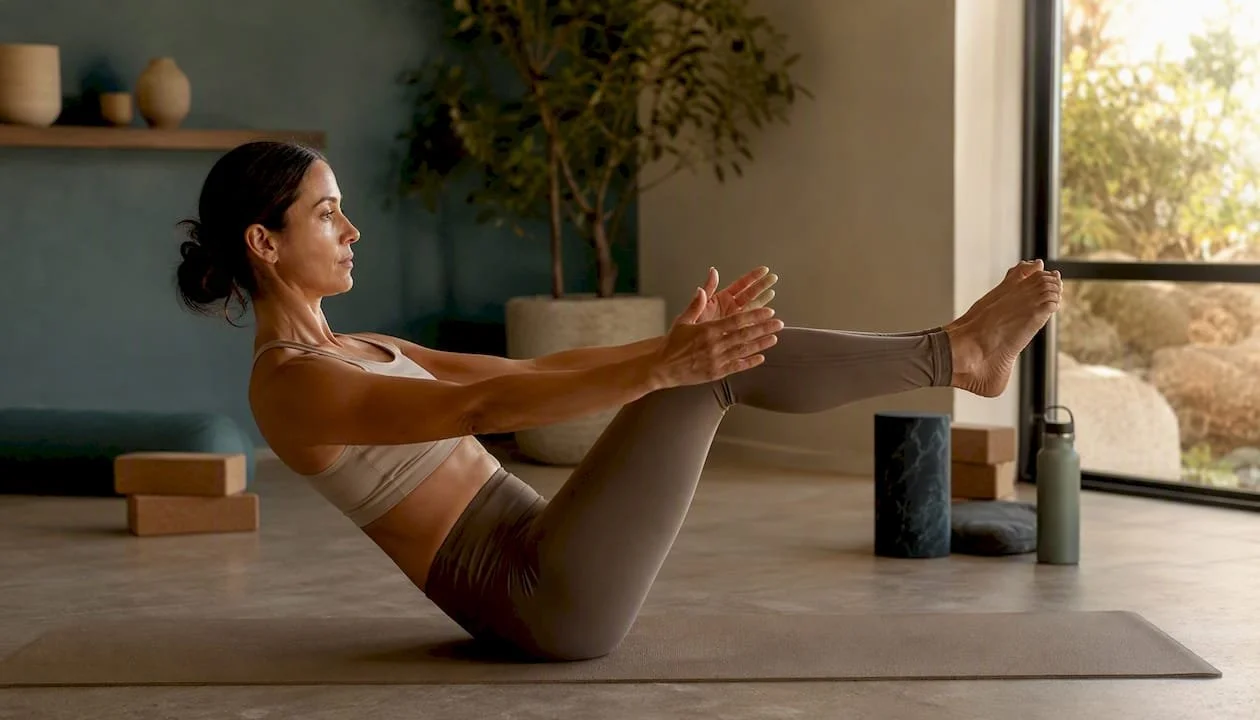
Pilates delivers a measurable edge in core strength, posture, flexibility, balance, and mental well-being — and the evidence behind those claims is stronger than most fitness trends can claim. A 2026 meta-analysis found a small-to-moderate benefit across psychosocial outcomes, and systematic reviews consistently show pain reduction and quality-of-life gains in adults with chronic musculoskeletal conditions. Amritayogawellness, a wellness studio in Philadelphia, structures its Pilates program around exactly these outcomes.
Here is what that advantage looks like in practice:
Reduced back and neck pain through targeted core stabilization
Better posture and body awareness that carries into daily movement
Improved flexibility and balance, especially relevant for adults over 40
Calmer stress response via diaphragmatic breathing and focused attention
Stronger sense of well-being, including lower anxiety and depression scores in clinical trials
Key Takeaways
Pilates produces real, research-supported gains in core strength, pain reduction, flexibility, and mental well-being — with consistent results appearing in as little as 8 weeks of twice-weekly practice.
| Point | Details |
|---|---|
| Evidence is solid but bounded | Meta-analyses show g = 0.393 for psychosocial outcomes; pain trials show significant effects but low-to-moderate certainty. |
| Timeline is weeks, not months | Anxiety and depression scores improved significantly in a 12-week trial; flexibility and balance shifted in 8 weeks. |
| Recovery matters as much as class | Twice-weekly sessions with rest days between them produce better neuromuscular adaptation than daily training. |
| Instructor quality is the variable | PMA-certified instructors with 450+ training hours and small class sizes deliver the outcomes the research measures. |
| Amritayogawellness is the next step | The studio offers beginner mat and reformer classes in Philadelphia with a trial class option and no long-term commitment. |
Table of Contents
How does Pilates actually produce these benefits?
Three mechanisms drive most of the gains: motor control and core stabilization, breathing and autonomic nervous system modulation, and focused attention or body awareness. None of them work in isolation, which is part of why Pilates produces both physical and mental results from the same session.
Neuromuscular control is the foundation. Pilates trains the deep stabilizing muscles — the transverse abdominis, multifidus, and pelvic floor — through small, precise movements that demand more motor coordination than they appear to. Over weeks, that precision transfers to how you move off the mat: better proprioception, more efficient gait, less compensatory strain on the lower back. Trials tracking 8–12 weeks of Pilates report improvements in abdominal endurance, hamstring flexibility, and upper-body endurance.
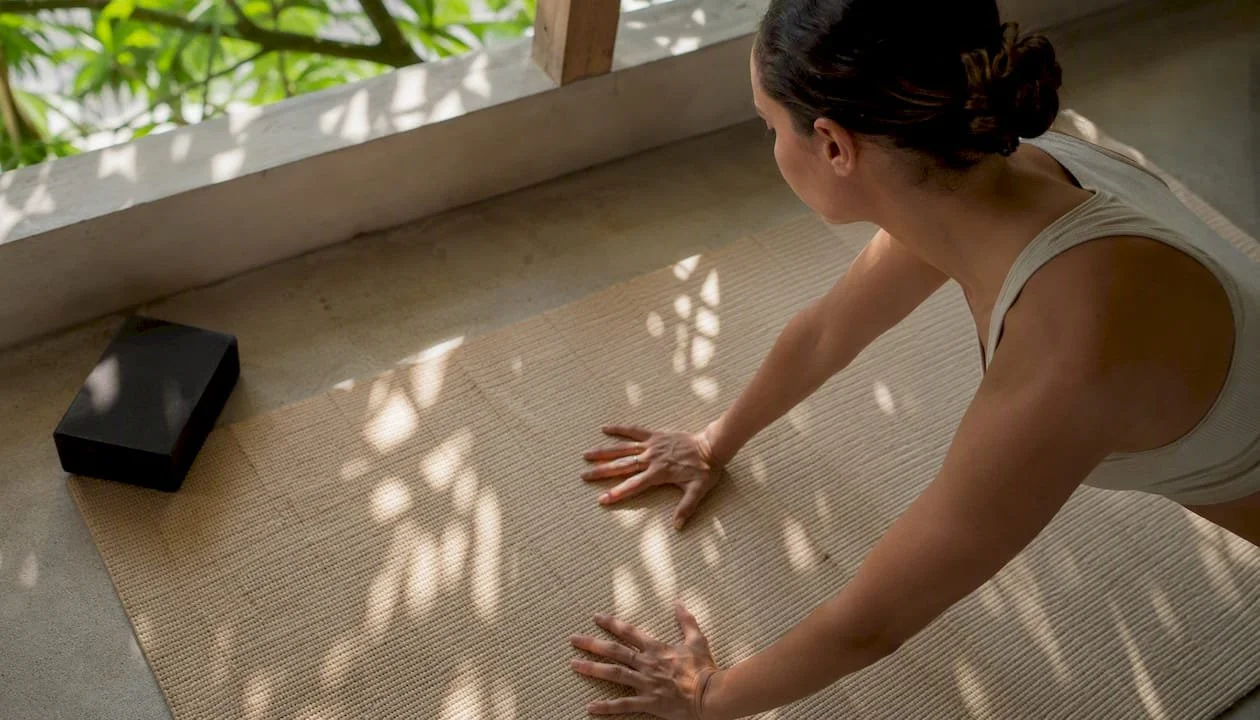
Breathing is where the mental-health pathway begins. Pilates uses lateral thoracic breathing — ribs expand sideways, diaphragm drops — which activates the parasympathetic nervous system. An 8-week study found that both Pilates and yoga produced similar improvements in heart rate variability (HRV) and mental-health scores among moderately stressed adults, suggesting the breathing component alone carries real autonomic benefit. For readers managing everyday stress, that is a concrete physiological mechanism, not a wellness platitude. Pairing breath with movement is also how Pilates practitioners manage stress and anxiety alongside other coping strategies.
Body awareness is the third lever. Pilates demands continuous attention to alignment, breath, and sensation. That sustained internal focus functions like a mindfulness practice: it trains present-moment attention and, according to practitioner writing in the Pilates Journal, builds emotion-regulation and distress-tolerance skills that transfer off the mat.
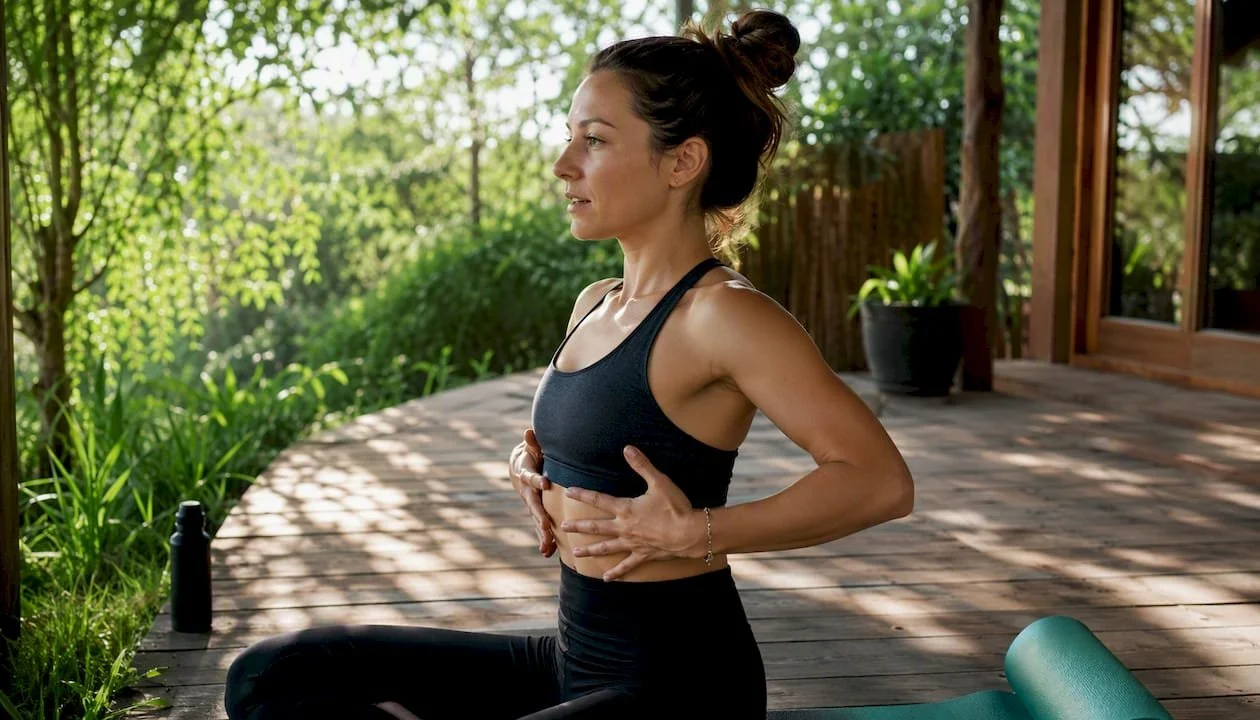
Pro Tip: Instructors: cue the exhale at the point of maximum effort — the moment a client lifts, presses, or rotates. That single habit deepens core engagement and reinforces the parasympathetic response in the same breath.
What does the research actually show?
Systematic reviews and meta-analyses support small-to-moderate benefits for quality of life, pain reduction, and psychosocial outcomes. The effect sizes are real but moderate, and the evidence quality varies by population and outcome.
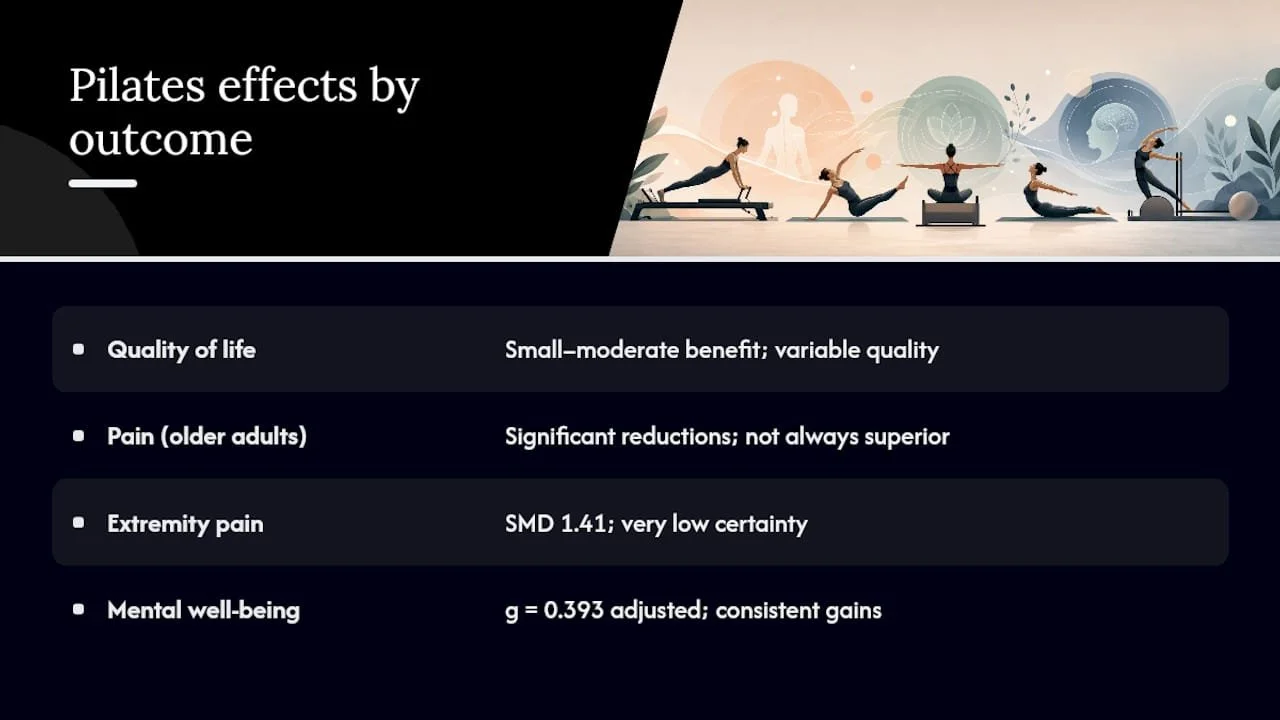
A 2026 meta-analysis pooled psychosocial data and found g = 0.393 after adjustment, with consistent gains for quality of life and self-esteem.
For pain and physical function, a systematic review of mat-based Pilates in older adults (seven studies, combined n = 397) found significant reductions in back pain, neck pain, and disability scores, though Pilates was not consistently superior to other forms of exercise. A separate meta-analysis of extremity musculoskeletal conditions (11 studies, n = 444) reported pain reductions with an SMD of 1.41, but rated the certainty of evidence as very low.
Mental-health findings are among the more consistent results. A three-month weekly Pilates program produced significant decreases in anxiety (p < 0.001) and depression (p < 0.05) compared to controls in a non-clinical adult sample of 49 participants.
Limitations worth knowing: most trials use short follow-ups, inconsistent outcome measures, and mixed delivery modes. Home-based programs show weaker adherence than supervised group classes, particularly in older adults.
Who benefits most, and when should you be cautious?
Pilates tends to produce the clearest gains in sedentary middle-aged adults, older adults managing musculoskeletal pain, and people seeking low-impact mind-body exercise. Clinical populations — including adults with breast cancer and multiple sclerosis — showed mental-health improvements in specific trials, though those findings are not yet consistent enough to generalize.
By group:
Older adults: balance, quality of life, and pain reduction are the most replicated benefits; group class adherence tends to be better than home programs
Adults with chronic low back pain: core stabilization work directly targets the mechanism; several trials show meaningful disability reduction
Stressed or anxious adults: the breathing and mindfulness components show consistent HRV and mood improvements within 8 weeks
Beginners returning to exercise: low-impact entry point with progressive loading reduces injury risk compared to high-intensity formats
Safety caveats: anyone with acute disc herniation, recent surgery, osteoporosis, or uncontrolled hypertension should consult a clinician before starting. Pilates is not a substitute for physical therapy when a structural diagnosis is involved. Watch for instructors who skip a health intake form — that is a red flag.
Pro Tip: Fitness writer Emily Abbate notes that beginners often mistake deep-muscle soreness for a sign of a great workout and push harder the next day. That approach backfires. Twice-weekly classes with at least one rest day between sessions let the neuromuscular adaptations actually consolidate.
What should you expect in your first Pilates class?
A standard class opens with a breathing and spinal warm-up, moves through a sequence of precision exercises (each with specific breath cues), and closes with a cool-down stretch. The pace is slower than most group fitness classes, and that slowness is the point.
Main formats:
Mat Pilates: floor-based, uses body weight and small props; the most accessible entry point
Reformer/apparatus: spring-loaded resistance machine; allows more exercise variety and load progression; better for rehabilitation and advanced work
Small group vs. private: private sessions allow more instructor attention and faster correction; small groups (4–8 people) offer community and lower cost
In-person vs. remote: in-person supervision produces better adherence and form correction, especially for beginners
Beginner checklist before your first class:
Arrive 10 minutes early to complete a health intake form
Wear form-fitting clothes so the instructor can see your alignment
Bring grip socks (required on reformers, useful on mats)
Tell the instructor about any injuries, surgeries, or chronic pain
Bring water; skip a heavy meal for at least 90 minutes beforehand
Early signs of progress (weeks 2–6): less habitual breath-holding during effort, improved awareness of when your lower back arches, reduced morning stiffness. The beginner guide from Amritayogawellness walks through what those early milestones look like in practice.
How do you choose the right Pilates class or studio?
Prioritize instructor credentialing, class-to-instructor ratio, and a clear progression model. Everything else is secondary.
Evaluation criteria:
Instructor certification: look for graduates of programs accredited by the Pilates Method Alliance (PMA) or equivalent; 450+ training hours is the benchmark for comprehensive certification
Class size: mat classes above 15 students make individual correction nearly impossible; reformer classes above 6 are crowded
Equipment condition: springs, straps, and rails on reformers should be inspected regularly; worn equipment is a safety issue
Progression model: a good studio moves students from foundational to intermediate work over weeks, not days
Injury accommodation: instructors should modify exercises, not just tell you to skip them
Trial policy: reputable studios offer a single intro class or discounted first week before you commit to a package
Questions to ask before you sign up:
What certification does the instructor hold, and how many hours of training?
What is the maximum class size?
How do you handle modifications for injuries or chronic conditions?
Is there a progression pathway from beginner to intermediate?
What is the cancellation and refund policy?
Pro Tip: For older adults or anyone managing a clinical condition, supervised in-person classes are worth the extra cost. Remote Pilates can work for maintenance once you have solid form, but learning the fundamentals without live correction is where most beginners pick up compensatory habits that take months to undo.
For a deeper look at the different styles available, the Amritayogawellness guide to Pilates types breaks down mat, reformer, and specialty formats clearly.
How Amritayogawellness delivers the Pilates advantage
Amrita Yoga & Wellness structures its Pilates offerings around the same physical and mental outcomes the research supports: core strength, postural alignment, flexibility, and stress reduction. The studio's class lineup includes mat-based sessions for beginners, reformer work for those ready to progress, and small-group formats that keep instructor-to-student ratios tight enough for real-time correction.
The studio's blog functions as a genuine learning resource. Posts like Pilates for Beginners: Build Core Strength in 2026 and the complete guide to Pilates breathing techniques give students the conceptual grounding to understand what their instructor is cueing and why. That kind of education accelerates progress because students stop guessing and start feeling the difference.
Pro Tip: Before your first class, read the studio's Pilates blog resources so you arrive knowing the six Pilates principles. Instructors spend less time explaining and more time correcting when students already have the vocabulary.
What instructors notice that the research can't fully capture
Precision and breath are the two things instructors return to in every class, not because they are abstract ideals, but because they are where the mental shift happens. When a client stops rushing through a movement and actually feels the muscle fire, something changes in how they carry themselves for the rest of the day. The mat becomes a place where attention is practiced, not just exercise performed. That transfer — from controlled movement to calmer daily response — is what keeps people coming back long after the initial soreness fades.
Amrita Yoga & Wellness: a low-barrier way to start
Amrita Yoga & Wellness offers one of the most accessible entry points to Pilates in Philadelphia. A single trial class lets you experience the studio's instruction quality and class format before committing to a package — no pressure, no long-term contract required.
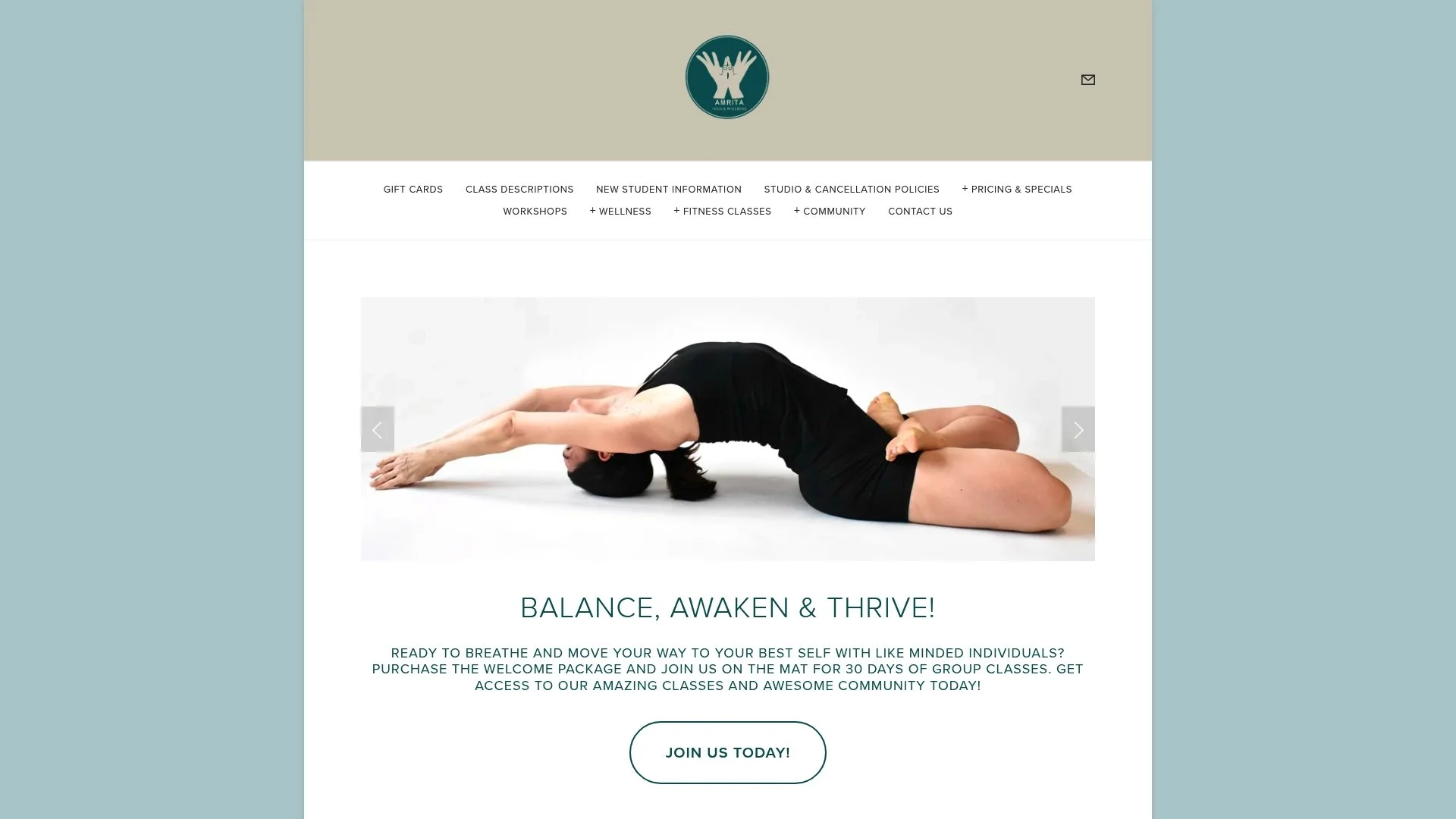
The studio's beginner pathway is designed for people who have never done Pilates and want to build core strength and body awareness from the ground up. Instructors conduct a brief health intake before your first session, modify exercises for injuries, and keep class sizes small enough that you will actually be seen and corrected.
To book your first class or browse the current schedule, visit Amritayogawellness and reserve your spot directly online.
Selected research and resources
The sources below include peer-reviewed meta-analyses, systematic reviews, randomized controlled trials, and practitioner guidance — the same mix used throughout this article.
Pilates and psychosocial outcomes: 2026 meta-analysis (MDPI) — pooled effect size and quality-of-life findings
Three-month Pilates program and mental health (PMC) — anxiety and depression outcomes in a non-clinical sample
8-week Pilates vs. yoga: HRV and mental health (e-pan.org) — autonomic and flexibility comparisons
Mat Pilates for older adults with musculoskeletal conditions (Wiley) — pain, disability, and quality-of-life systematic review
What to know before your first Pilates class (SELF) — practical beginner and recovery guidance
Sources
Pilates-based exercise and psychosocial outcomes (MDPI, 2026)
Systematic review: Pilates for older adults with chronic musculoskeletal conditions (Wiley)
Pilates classes: 10 things to know before your first session (SELF)