Match Your Goals to Philadelphia Boutique Studios by Neighborhood
Philadelphia's boutique fitness scene spans yoga, pilates, barre, cycling, and small-group strength training, with studios clustered in Old City, Center City, Fishtown, and South Philly. The fastest way to find your fit is to book a drop-in or intro package at one or two studios this week. We built Amrita Yoga & Wellness around that same idea, and resources like ClassPass's Philadelphia market data and the YMCA's small-group training programs confirm the city's appetite for varied, community-driven workouts.
TL;DR:
Boutique fitness growth in Philadelphia relies heavily on community, social events, and personalized instruction, which boost member retention and engagement.
Choosing a studio depends more on schedule fit, instructor background, and vibe than on equipment or reputation, emphasizing trial classes for evaluation.
Pricing typically follows drop-in, class packs, or unlimited memberships, with unlimited plans best for those training multiple times weekly at a single studio.
Instructor qualifications vary, with certifications important in yoga and reformer Pilates, and small classes enabling real-time form correction.
Neighborhood location influences the studio experience, with Old City and Center City offering more community-oriented options, and Fishtown appealing to younger, trendier crowds.
Amritayogawellness
Find Your Philadelphia Wellness Fit
Explore Amrita Yoga & Wellness classes, workshops, retreats, and wellness services for varied practices and community connection.
Table of Contents
How one Philadelphia studio structures inclusive boutique offerings
Why community makes or breaks your boutique fitness experience
What's driving Philadelphia's boutique fitness boom
ClassPass reported a boutique-fitness surge in Philadelphia, with yoga and strength training ranking among the city's dominant genres. That growth tracks with a broader shift toward classes built around connection, not just calories burned.
Old City has become a proving ground for this trend. Local reporting on Old City's boutique studios found that successful spots lean into community events and collaborations that help members form real friendships, something a treadmill row rarely delivers. The same coverage notes that "boutique" increasingly signals high-touch service and belonging rather than a particular piece of equipment.
A few patterns stand out across the city:
Classes increasingly blend movement with social elements like themed nights or post-workout gatherings.
Smaller class sizes let instructors adjust cues in real time instead of shouting generic reps.
Neighborhood identity shapes studio culture almost as much as the workout itself.
Boutique studios in Philadelphia are growing because members want connection, not just a workout. That shift matters when you're choosing where to spend your money: a studio's community feel often predicts whether you'll actually show up in month three.
Boutique studio types and what each one feels like
Most Philadelphia boutique studios fall into a handful of categories, and each serves a different goal.
Yoga studios typically run 60- to 75-minute classes in groups of 10 to 25, ranging from gentle restorative sessions to heated vinyasa flows.
Pilates studios split between mat classes, which mirror a small group fitness format, and reformer sessions on specialized equipment, usually capped at 8 to 12 people.
Barre studios combine low-impact, high-rep movements in 45- to 60-minute classes aimed at muscular endurance rather than max strength.
Indoor cycling studios pair high-intensity intervals with music-driven pacing, often in rooms of 20 to 40 bikes.
Small-group strength and HIIT programs, the kind the Philadelphia YMCA documents in formats like barre, boxing, kettlebells, and TRX, emphasize certified trainers and personalized coaching because the groups stay small.
Recovery-focused studios round out the mix with slower, restorative sessions designed to complement harder training days.
Pro Tip: Book two different modalities in your first week, a flow-based class and a strength-based one, to see which pace actually holds your attention.
Finding boutique studios by Philadelphia neighborhood
Where you train often matters as much as what you train in, especially if you're commuting on foot or by transit.
Old City has become a hub for community-first studios that host events and partner with nearby businesses.
Center City offers the highest studio density and the easiest transit access, convenient for a lunchtime or after-work class.
Fishtown leans younger and trendier, with studios that often double as neighborhood gathering spots.
South Philly mixes longstanding community classes with newer boutique openings, often at friendlier price points.
University City serves students and hospital staff with flexible scheduling around academic and shift calendars.
If your commute options are limited, pick your neighborhood first and let that narrow your modality choices rather than the reverse.
What boutique fitness actually costs in Philadelphia
Pricing in Philadelphia's boutique scene generally follows three shapes: single drop-ins, class packs, and monthly unlimiteds. Drop-ins tend to run higher per class but require no commitment, which suits anyone still shopping around. Class packs reward semi-regular attendance with a lower per-visit rate, and unlimited memberships make the most sense once you're training three or more times a week at one studio.
Drop-in rates are the most flexible but the most expensive per visit.
Class packs typically reward regular attendance over the course of several weeks.
Monthly unlimiteds pay off fastest for people training multiple times weekly at a single studio.
Multi-studio marketplace passes are only cost-effective for people who train across several studios often; a single studio's in-house unlimited is usually cheaper for loyal regulars. Intro offers, community classes, and off-peak time slots remain the simplest ways to sample a studio before committing to a membership tier.
How to choose the right boutique studio for you
Picking a studio is less about finding the "best" one in Philadelphia and more about finding the one that fits your schedule, goals, and personality. Run through this checklist before you book:
Modality fit: does the class style match what you actually enjoy doing, not just what you think you should be doing?
Class size and energy: do you want personal attention or the energy of a packed room?
Instructor background: are trainers certified, and do they offer modifications for beginners?
Schedule overlap: does the studio offer times that realistically fit your week?
Price structure: does a drop-in, pack, or unlimited membership match your expected frequency?
Cancellation policy: how strict are late-cancel and no-show fees?
Overall vibe: does the space feel welcoming the moment you walk in?
Before booking, ask directly: What's your drop-in policy for first-timers? Are modifications offered for beginners? What should I bring?
A simple three-step plan works well: sample one class at two or three studios, evaluate consistency and instructor quality across three total visits, then commit to a membership or move on to the next option.
Pro Tip: Keep a short note after each trial class, noting energy level, instructor attentiveness, and whether you'd come back, so you're comparing facts instead of vague impressions a week later.
How one Philadelphia studio structures inclusive boutique offerings
At Amrita Yoga & Wellness, we structure our Philadelphia offerings around the same checklist points above. Our class lineup includes multiple yoga styles (including hot and aerial formats), pilates mat and group reformer sessions, barre, tai chi, massage therapy, and wellness workshops like tarot readings and breathwork.
We offer beginner-friendly entry points, including a dedicated Nurtured Beginnings pass for people new to the practice.
Our community class format gives newer or budget-conscious students a lower-cost way to sample group training.
We offer membership tiers structured to fit different budgets and attendance levels.
We built these formats around inclusivity and approachability for every experience level, which maps directly to the schedule, price, and beginner-support questions worth asking any studio you're considering.
Trial class and cancellation policies worth checking
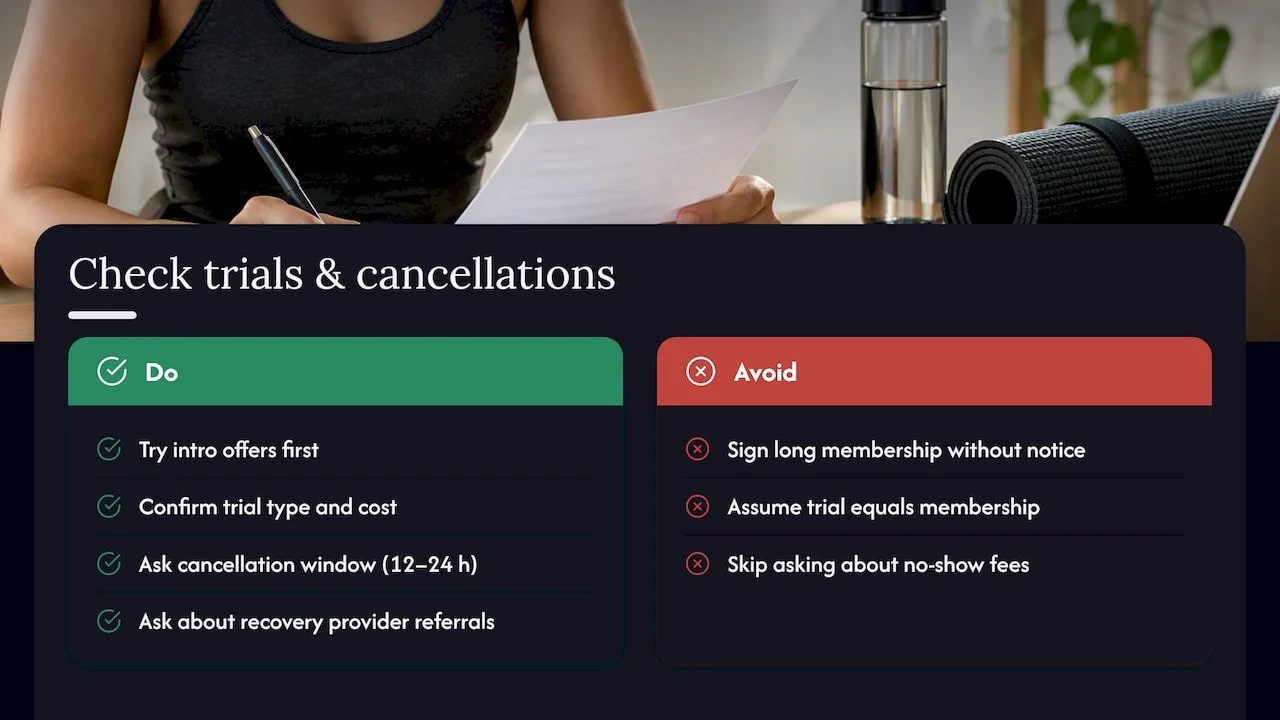
Before you commit to any Philadelphia boutique studio, read the trial and cancellation terms closely, because they vary widely between businesses. Some studios offer a free or discounted first class, while others only sell discounted intro passes covering several visits.
Local guides on the city's fitness scene generally advise sampling intro offers before committing to a membership, since the right workout depends heavily on your personal goals and schedule rather than a studio's reputation alone. That advice holds regardless of modality: a trial class tells you more in 60 minutes than any class description can.
Cancellation policies typically require canceling a spot 12 to 24 hours before class to avoid a late fee, and no-shows are often billed at the full class rate. Membership cancellations usually require written notice with a set number of days' lead time, so ask about that window before you sign up for anything longer than a single month.
If recovery or complementary care factors into your routine, it's worth asking a studio whether they coordinate with outside providers like OsteoStrong Tysons VA in-person wellness sessions. Some Philadelphia-area clients pair their fitness routine with adjunct care such as chiropractic services for mobility work, which some studios can point you toward even if they don't offer it directly.
Instructors' qualifications and training styles
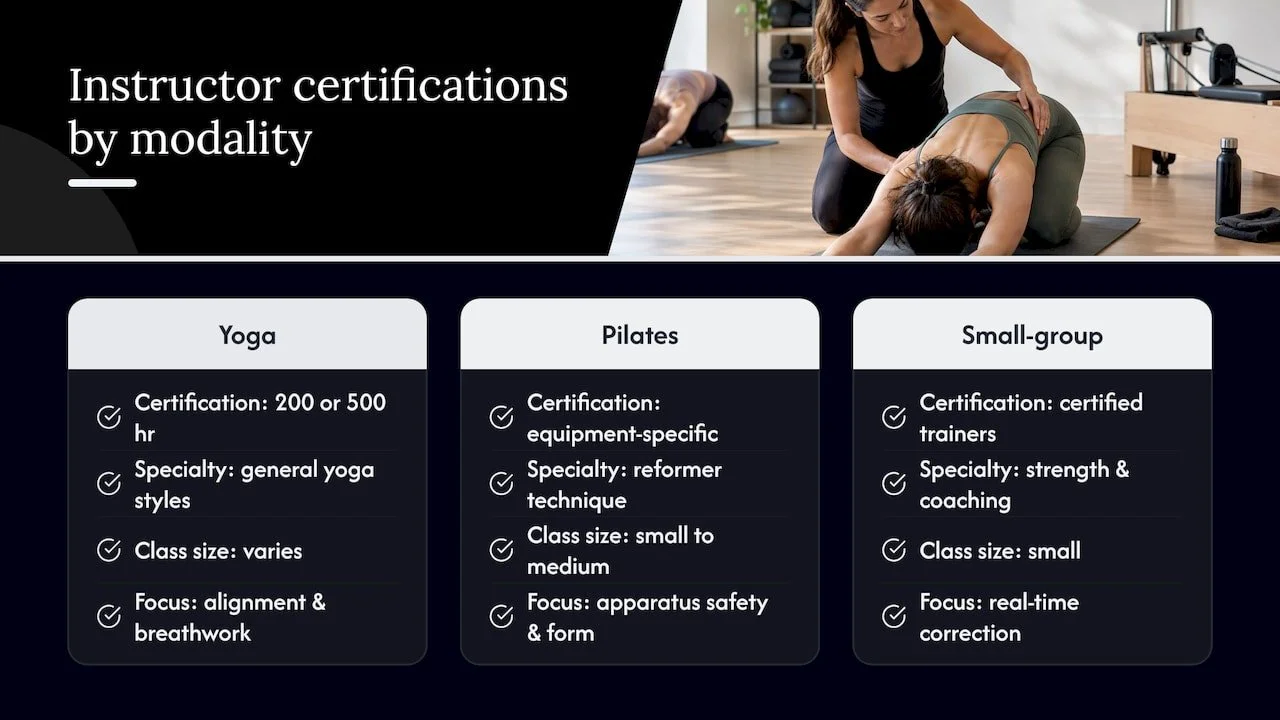
Instructor quality varies more than most people expect walking into a new studio, so it's worth asking directly about certifications and specialties before you book a series of classes. Yoga instructors in Philadelphia commonly hold 200-hour or 500-hour teacher training certifications, while pilates instructors, especially those teaching reformer work, typically complete equipment-specific certification programs separate from general fitness credentials.
For strength and small-group formats, the YMCA's small-group training programs emphasize certified trainers delivering personalized coaching precisely because class sizes stay small enough for real-time correction. That same logic applies across the city's boutique scene: smaller rooms let instructors actually watch your form instead of calling out cues to a crowd.
Training styles differ by instructor even within the same modality. Some lean heavily into alignment and injury prevention, others prioritize pacing and music-driven energy, and some focus on breathwork and mental components alongside the physical workout. Asking a studio about an instructor's background before your first class, rather than after a frustrating session, saves time and often money.
Why community makes or breaks your boutique fitness experience
The studios that keep people coming back aren't always the ones with the flashiest equipment. They're the ones where someone remembers your name by the third visit. If you're testing studios, judge the room's energy as closely as the workout itself.
— Juiced
Try a class at Amrita Yoga & Wellness
We built our Philadelphia studio around the same community-first approach this guide describes: inclusive class formats, beginner-friendly structure, and flexible membership shapes that fit different schedules and budgets.
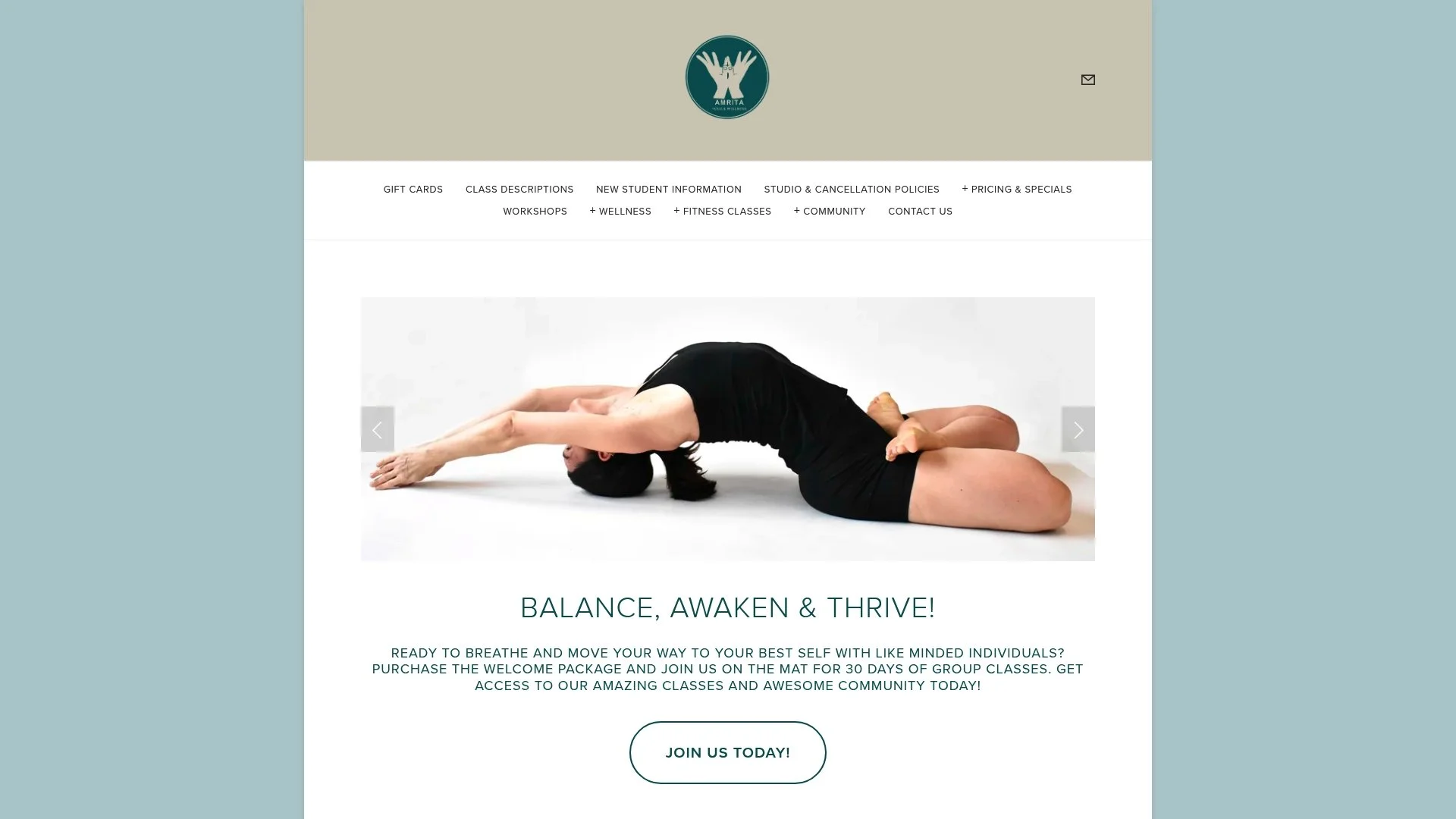
If you want to see what a session actually looks like before booking, our class descriptions break down format and intensity for every offering, from restorative yoga to group reformer pilates. When you're ready to try one in person, our drop-in and class-pack options let you sample a single class without committing to a membership. Use that first visit to judge fit the same way you would at any studio on your shortlist.
FAQ
Is there a fancy gym in Philadelphia?
Philadelphia has several premium boutique studios with upscale amenities like recovery lounges, specialty lighting, and curated playlists, particularly in neighborhoods like Old City and Center City. Local guides describe these as experience-driven spaces rather than traditional gyms, built around atmosphere as much as equipment.
How much does boutique fitness cost?
Boutique fitness pricing in Philadelphia typically follows drop-in, class-pack, or monthly unlimited structures, with unlimiteds paying off fastest for frequent single-studio attendance. At our studio, for example, a Group Class Drop In runs $28 per session, while our Earth Monthly Membership is $119 per month for unlimited group classes.
What is the 3-3-3 rule for fitness?
Definitions of this rule vary across fitness sources, and no single boutique-fitness authority defines it the same way. If you encounter it while researching Philadelphia studios, treat it as general guidance rather than a standard every studio follows.
Why is Gen Z so obsessed with the gym?
Reporting on Philadelphia's fitness scene points to younger members prioritizing social connection and experience-driven classes, not just physical results, which helps explain demand for mood-and-movement formats with music, lighting, and recovery add-ons. Local coverage of Old City's boutique studios found that community events and collaborations, not just workouts, are a major draw for younger members.
Sources
How boutique fitness is offering a different kind of experience in Philadelphia’s Old City
The Complete Guide to Philadelphia's Best Workout Classes and Fitness Trends