
Role of Hammocks in Aerial Yoga: Benefits and Safety
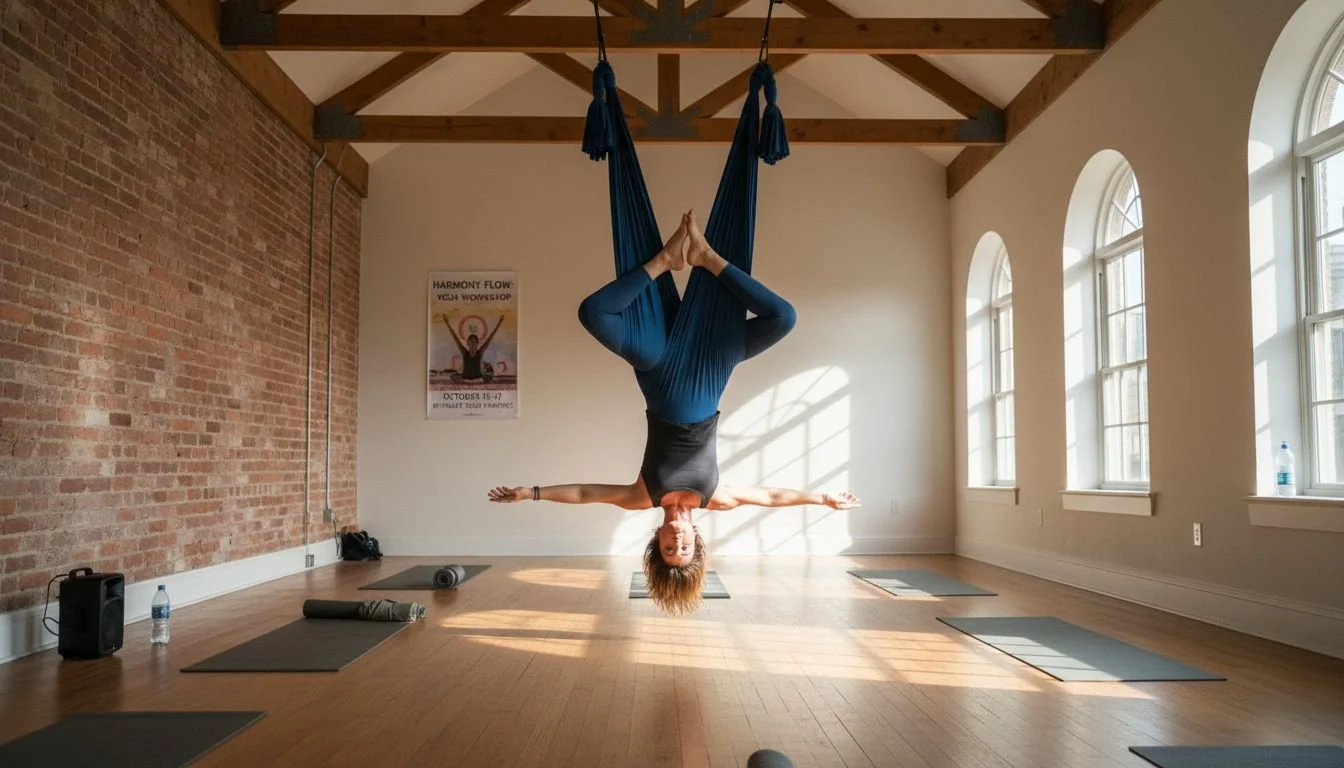
Over 30 million American adults now practice yoga and many are looking for ways to take their routines to the next level. As interest grows, aerial yoga hammocks have emerged as a unique tool for those wanting both support and challenge in their fitness journey. Whether you are a beginner or a seasoned yogi, understanding these hammocks reveals new ways to increase flexibility, improve strength, and experience movement in an entirely different dimension.
Table of Contents
Key Takeaways
| Point | Details |
|---|---|
| Aerial Yoga Hammocks Enhance Practice | Aerial yoga hammocks provide unique support, allowing for deeper stretches and greater flexibility during yoga practice. |
| Material and Design Matter | The performance and safety of hammocks depend on the materials used, with options varying from silk to durable polyester. |
| Safety is Paramount | Proper installation, equipment inspections, and training with certified instructors are essential for preventing injuries in aerial yoga. |
| Mindful Progression is Key | Practitioners should start slowly, focus on core strength, and respect their physical limits to safely enjoy aerial yoga. |
What Are Aerial Yoga Hammocks?
Aerial yoga hammocks are specialized, suspended fabric props designed to transform traditional yoga practice by introducing a dynamic and supportive element. Suspended from the ceiling, these unique hammocks provide practitioners with opportunities to explore yoga postures, inversions, and movements in an entirely new dimension.
These hammocks are typically crafted from high-strength, soft silk or similar durable fabric materials engineered to safely support a practitioner's body weight. Aerial yoga hammocks function as both a support system and a versatile training tool, enabling yoga enthusiasts to perform traditional poses with enhanced stability and reduced gravitational strain. The hammock acts like a flexible sling, allowing practitioners to achieve deeper stretches, improve flexibility, and engage muscles from unique angles that ground-based yoga cannot provide.
Key characteristics of aerial yoga hammocks include:
Adjustable height settings
Weight capacity ranging from 300-1000 pounds
Soft, breathable fabric construction
Secure attachment mechanisms for ceiling mounting
Varying widths to accommodate different body types
While these remarkable yoga training tools facilitate unique movement possibilities, they require proper instruction and careful technique to ensure practitioner safety and maximize their transformative potential.
Types of Hammocks Used in Aerial Yoga
Aerial yoga practitioners utilize a diverse range of hammocks designed to support different skill levels, body types, and specific practice styles. Hammock materials and specifications vary significantly to accommodate the unique needs of aerial yoga enthusiasts, with options ranging from lightweight silk fabrics to more robust polyamide constructions.
Fabric Composition plays a crucial role in determining a hammock's performance and durability. Common materials include:
Parachute-grade silk
High-tensile polyester blends
Nylon ripstop fabrics
Tricot knit materials
Specialized elastic-blend textiles
The width and length of aerial yoga hammocks are equally important considerations. Practice levels and body types dramatically influence hammock selection, with standard dimensions typically ranging from 3 to 5.5 meters in length and approximately 2.8 to 3.2 meters in width. Professional-grade hammocks often feature reinforced edges, multiple attachment points, and weight capacities exceeding 450 kilograms, ensuring maximum safety and versatility for practitioners.
What Are Aerial Yoga Hammocks?
Aerial yoga hammocks are specialized, suspended fabric props designed to transform traditional yoga practice by introducing a dynamic and supportive element. Suspended from the ceiling, these unique hammocks provide practitioners with opportunities to explore yoga postures, inversions, and movements in an entirely new dimension.
These hammocks are typically crafted from high-strength, soft silk or similar durable fabric materials engineered to safely support a practitioner's body weight. Aerial yoga hammocks function as both a support system and a versatile training tool, enabling yoga enthusiasts to perform traditional poses with enhanced stability and reduced gravitational strain. The hammock acts like a flexible sling, allowing practitioners to achieve deeper stretches, improve flexibility, and engage muscles from unique angles that ground-based yoga cannot provide.
Key characteristics of aerial yoga hammocks include:
Adjustable height settings
Weight capacity ranging from 300-1000 pounds
Soft, breathable fabric construction
Secure attachment mechanisms for ceiling mounting
Varying widths to accommodate different body types
While these remarkable yoga training tools facilitate unique movement possibilities, they require proper instruction and careful technique to ensure practitioner safety and maximize their transformative potential.
Types of Hammocks Used in Aerial Yoga
Aerial yoga practitioners utilize a diverse range of hammocks designed to support different skill levels, body types, and specific practice styles. Hammock materials and specifications vary significantly to accommodate the unique needs of aerial yoga enthusiasts, with options ranging from lightweight silk fabrics to more robust polyamide constructions.
Fabric Composition plays a crucial role in determining a hammock's performance and durability. Common materials include:
Parachute-grade silk
High-tensile polyester blends
Nylon ripstop fabrics
Tricot knit materials
Specialized elastic-blend textiles
The width and length of aerial yoga hammocks are equally important considerations. Practice levels and body types dramatically influence hammock selection, with standard dimensions typically ranging from 3 to 5.5 meters in length and approximately 2.8 to 3.2 meters in width. Professional-grade hammocks often feature reinforced edges, multiple attachment points, and weight capacities exceeding 450 kilograms, ensuring maximum safety and versatility for practitioners.
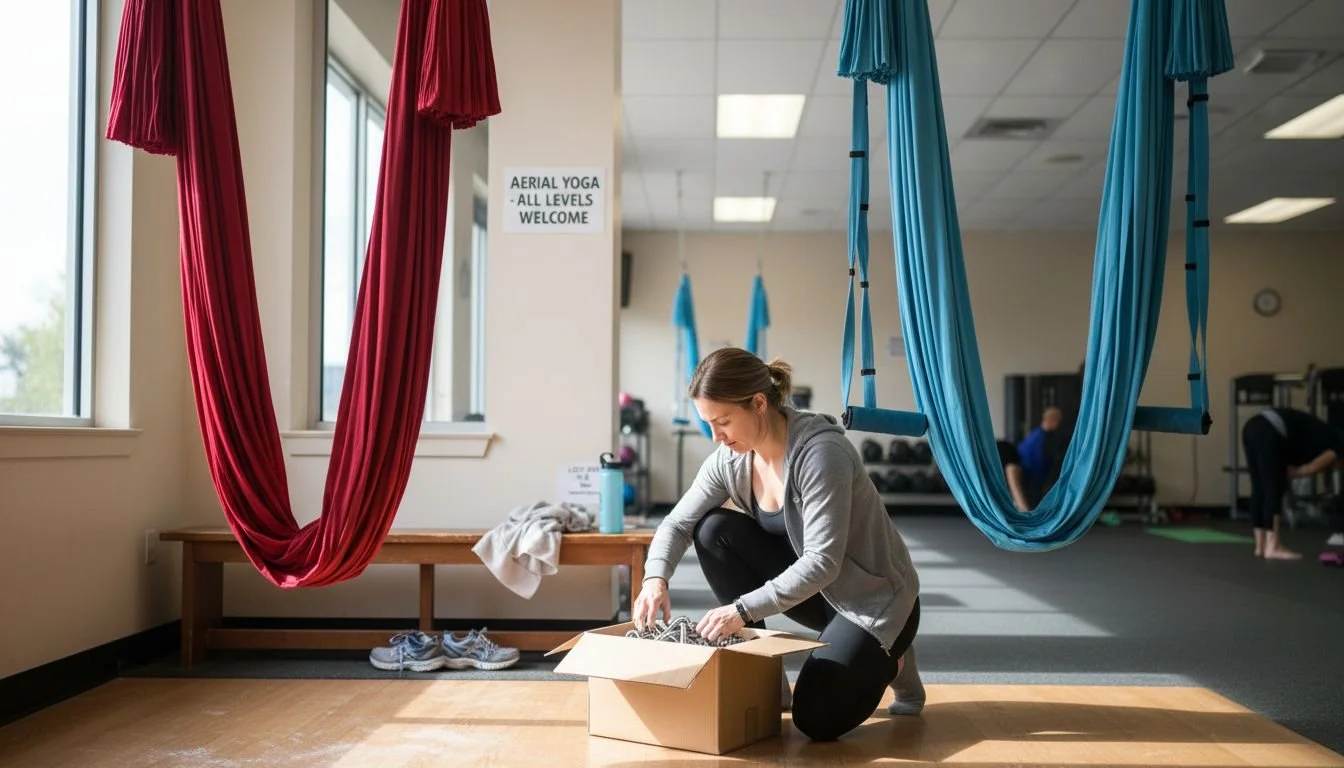
Advanced aerial yoga enthusiasts might opt for specialized hammocks with additional features like integrated grip handles, color-coded strength zones, or modular attachment systems. These innovative designs enable more complex aerial movements and provide enhanced support during challenging inversions and suspension techniques.
How Hammocks Enhance Yoga Practice
Aerial yoga hammocks revolutionize traditional yoga by providing unprecedented physical support and expanding movement possibilities. Practitioners can achieve deeper stretches and unique body alignments that are simply impossible on a standard yoga mat, transforming the entire yoga experience into a more dynamic and engaging practice.
Core Benefits of incorporating hammocks into yoga practice include:
Spinal decompression
Enhanced muscle engagement
Improved balance and coordination
Reduced joint stress
Increased overall flexibility
Aerial yoga hammocks challenge muscles in innovative ways, creating a full-body workout that goes beyond traditional ground-based yoga. The suspended environment forces practitioners to engage stabilizer muscles, build core strength, and develop greater body awareness. By reducing gravitational pressure, hammocks allow practitioners to explore inverted postures and deep stretches with reduced risk of strain or injury.
The psychological benefits are equally remarkable. Suspended in a gentle, supportive fabric, practitioners can experience a unique sense of weightlessness and freedom. This meditative state not only reduces physical tension but also promotes mental relaxation, helping individuals release stress and cultivate a deeper mind-body connection through their aerial yoga practice.
Correct Setup and Maintenance Essentials
Proper installation of aerial yoga hammocks requires meticulous attention to safety and structural integrity. Critical considerations include selecting robust mounting points capable of supporting significant dynamic weight, ensuring precise height and tension measurements, and conducting regular comprehensive inspections to prevent potential equipment failure.
Key Installation Parameters include:
Mounting height between 80-100 cm from floor
Distance between hammock attachment points: 50-80 cm
Minimum weight capacity exceeding practitioner's body weight by 300%
Attachment to permanent structural elements (not suspended ceilings)
Use of professional-grade mounting hardware
High-quality hammock materials play a crucial role in long-term safety and performance, with polyamide and specialized fabric blends offering superior durability and load-bearing capabilities. Practitioners should perform thorough pre-use inspections, checking for potential fabric weaknesses such as small tears, fraying edges, or compromised stitching. Implementing a consistent maintenance routine involves cleaning the hammock after each use, storing it in a cool dry environment, and replacing the equipment at recommended intervals or immediately upon detecting any structural compromise.

Professional aerial yoga practitioners recommend maintaining a detailed maintenance log that tracks usage frequency, inspection dates, and any observed wear patterns. This proactive approach not only extends the hammock's functional lifespan but also provides critical documentation for safety compliance and potential equipment warranty claims.
Key Safety and Injury Prevention Tips
Aerial yoga safety requires a comprehensive approach to preventing potential injuries, demanding strategic preparation, mindful practice, and continuous awareness of one's physical limitations. Practitioners must develop a holistic understanding of their body's capabilities and potential risks associated with suspended yoga techniques.
Essential Safety Precautions include:
Always train with a certified aerial yoga instructor
Perform thorough equipment inspections before each session
Start with beginner-level inversions and progressions
Maintain consistent core engagement
Use spotters or assistants during complex movements
Listen to your body and avoid overexertion
Wear form-fitting, snag-resistant clothing
Before attempting advanced aerial techniques, practitioners should invest significant time in developing fundamental strength, flexibility, and body awareness. Beginners should prioritize learning proper entry and exit techniques, understanding how to distribute body weight safely, and recognizing early warning signs of potential strain or discomfort. Gradual progression is key to preventing unnecessary injuries and building confidence in aerial yoga practice.
Mental preparation is equally crucial in injury prevention. Practitioners must cultivate a mindset of patience, self-awareness, and respect for their physical boundaries. Breathing techniques, focused concentration, and maintaining a calm emotional state can significantly reduce the risk of panic-induced mistakes during challenging aerial yoga movements.
Elevate Your Aerial Yoga Experience with Expert Guidance and Safety
Mastering aerial yoga demands more than just a hammock it requires understanding safety, proper setup, and progressive training to unlock its full benefits such as spinal decompression, enhanced muscle engagement, and mental relaxation. If you are passionate about deepening your aerial yoga practice while prioritizing injury prevention and body awareness exploring professional instruction and supportive community sessions is essential.
Discover how Amrita Yoga & Wellness in Philadelphia can support your aerial yoga journey with a variety of classes and workshops designed to teach safe aerial techniques and build foundational strength. Access expert insights, class schedules, and join others seeking holistic wellness. Do not wait to transform your practice and reap the physical and mental rewards of aerial yoga by connecting with us today at Amrita Yoga & Wellness. Your path to elevating mind and body begins here.
Frequently Asked Questions
What are aerial yoga hammocks?
Aerial yoga hammocks are specialized fabric props used to enhance traditional yoga practice by providing support and enabling unique movements and postures.
What are the benefits of using hammocks in aerial yoga?
Hammocks offer benefits such as spinal decompression, improved flexibility, enhanced muscle engagement, and a reduced risk of injury through support in challenging poses.
How should I properly set up an aerial yoga hammock?
Ensure that the hammock is mounted securely at a height of 80-100 cm from the floor, with attachment points spaced 50-80 cm apart, and use professional-grade mounting hardware for safety.
What safety precautions should I take while practicing with aerial yoga hammocks?
Always train with a certified instructor, conduct pre-use equipment inspections, start with beginner-level movements, maintain core engagement, and listen to your body's limits to prevent injuries.