How to Prepare for Aerial Yoga: Step-by-Step Success Guide
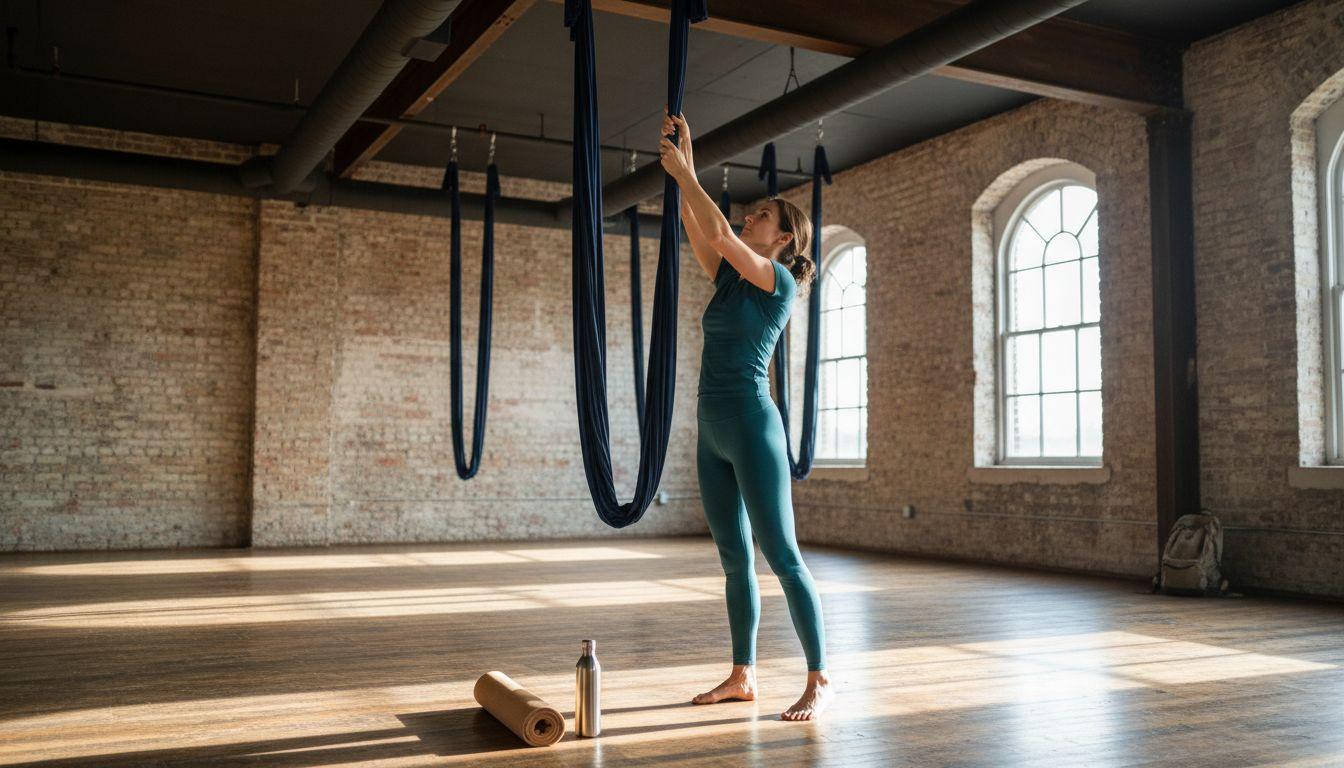
Every year, more American adults are discovering aerial yoga as a fun way to build strength and flexibility. With group fitness booming, over 30 percent of American studios now offer aerial classes for beginners. Choosing the right class and instructor can shape your entire experience, from confidence on your very first try to staying free from injury. This guide clears up what newcomers really need to know for a smooth, safe start in American aerial yoga.
Table of Contents
Quick Summary
| Essential Insight | Clear Explanation |
|---|---|
| 1. Choose the Right Class | Select an aerial yoga class that aligns with your skill level and fitness goals to enhance enjoyment and safety. |
| 2. Wear Proper Attire | Opt for form-fitting, breathable clothing to ensure comfort and prevent safety hazards during practice. |
| 3. Stay Hydrated and Nourished | Consume a light snack 60–90 minutes before class and hydrate properly to maintain energy and comfort. |
| 4. Set Your Intentions | Arrive early to mentally prepare and set personal goals for your aerial yoga practice to enhance your experience. |
| 5. Verify Equipment Safety | Conduct a thorough check of the aerial rigging and safety mats to ensure readiness and prevent injuries. |
Step 1: Choose the Right Aerial Yoga Class and Instructor
Selecting the perfect aerial yoga class is your gateway to an exhilarating and transformative practice. Your choice of class and instructor can dramatically impact your learning curve, safety, and overall enjoyment of this unique fitness experience.
When exploring aerial yoga options, begin by carefully reviewing class descriptions and understanding the specific apparatus and skill requirements. Different classes target various skill levels and fitness goals, so matching your current abilities with the right program is crucial. Look for detailed descriptions that outline the class structure, equipment used, and any prerequisite skills needed.
Instructor credentials matter significantly in aerial yoga. Verify that your potential instructor holds certification from recognized organizations and has substantial experience teaching beginners. An excellent instructor will not only demonstrate technical proficiency but also prioritize student safety, provide clear modifications, and create a supportive learning environment. Ask about their training background, years of experience, and approach to teaching aerial yoga techniques.
Pro tip: Schedule a brief consultation or observe a class before committing to ensure the instructor's teaching style aligns with your personal learning preferences and fitness goals.
Step 2: Select Proper Attire and Accessories for Comfort
Crafting the right aerial yoga outfit is more than a fashion statement its about ensuring your safety, comfort, and optimal performance during your practice. The clothing you choose can significantly impact your ability to move freely and confidently in the aerial hammock.
Selecting the right attire involves carefully choosing form fitting clothing that supports movement and prevents potential hazards. Your ideal aerial yoga outfit should include leggings that fully cover the backs of your knees to prevent fabric bunching and potential friction burns. Opt for tight fitting tops that completely cover your midriff and armpits, eliminating any risk of fabric getting caught in the hammock rigging. Importantly, avoid clothing with hard seams, zippers, or embellishments that could snag or damage the aerial equipment.
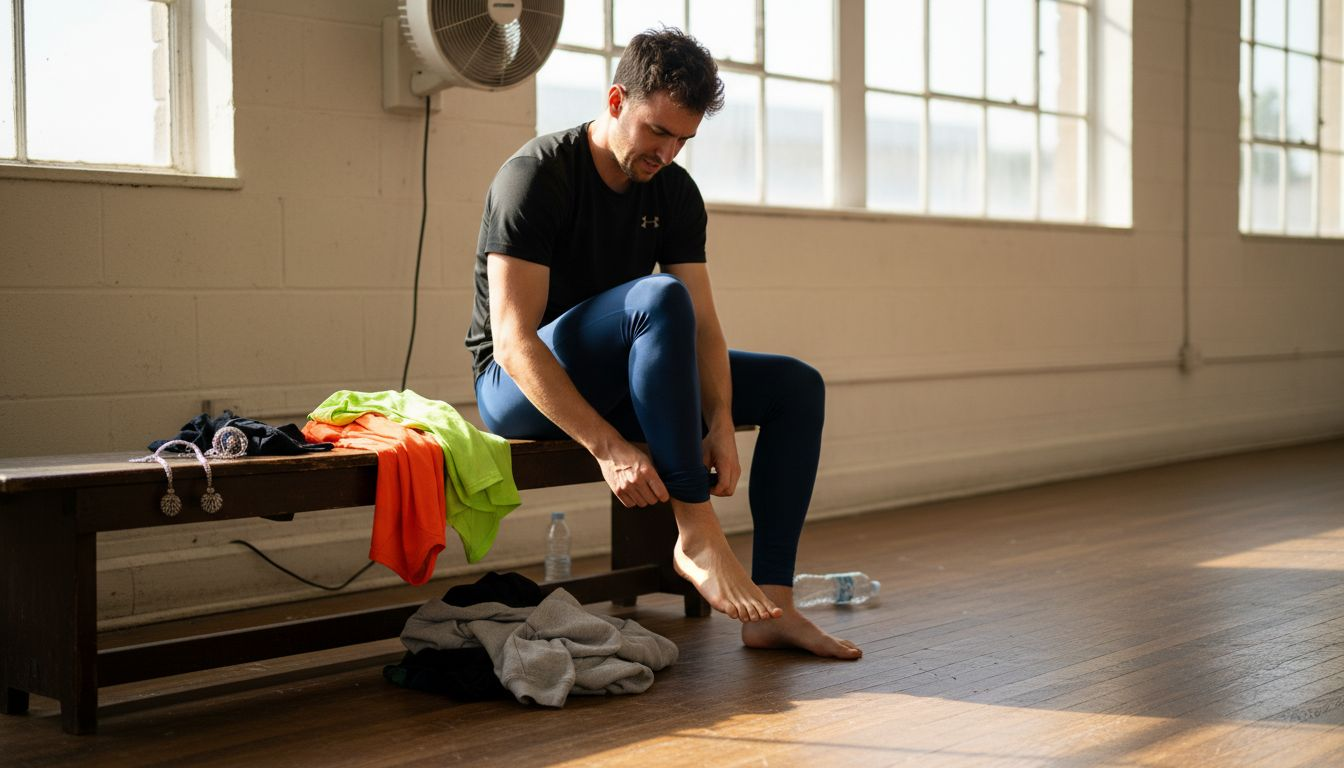
When preparing for your aerial yoga session, remove all jewelry and accessories that might pose a safety risk. This includes rings, bracelets, necklaces, and even watches that could potentially scratch or get tangled in the hammock fabric. Your clothing should be stretchy, breathable, and provide enough coverage to protect your skin while allowing maximum range of motion.
Pro tip: Keep a dedicated set of aerial yoga clothes that are free from any metal elements, ensuring you can transition smoothly into your practice without last minute outfit adjustments.
Here's a quick comparison of attire choices for aerial yoga to help optimize comfort and safety:
| Clothing Type | Recommended Features | Common Mistakes to Avoid |
|---|---|---|
| Leggings | Full knee coverage, tight fit | Loose fit, exposed skin |
| Tops | Covers armpits and midriff, snug | Crop tops, open sides |
| Accessories | None, free of metal elements | Wearing jewelry or zippers |
| Fabric Selection | Stretchy, breathable, seamless | Embellishments or hard seams |
Step 3: Hydrate and Nourish Your Body Before Practice
Preparing your body for aerial yoga requires strategic nutrition and hydration to ensure optimal performance and comfort during your practice. Understanding how to fuel yourself correctly can make a significant difference in your overall experience and physical readiness.
Before your aerial yoga session, focus on consuming light meals that provide sustained energy without causing digestive discomfort. Aim to eat a small balanced snack approximately 60 to 90 minutes before class, combining complex carbohydrates and lean proteins. This approach helps stabilize blood sugar levels and provides necessary nutrients without weighing you down. Avoid heavy meals that might cause sluggishness or potential nausea during inverted positions.
Hydration is crucial in preparing for aerial yoga, but timing and quantity matter significantly. Drink water consistently throughout the day leading up to your class, but avoid consuming large quantities immediately before practice. A good rule of thumb is to drink approximately 16 to 20 ounces of water in the two hours preceding your session, allowing enough time for proper absorption and minimizing potential discomfort during inversions.
Pro tip: Keep a small juice or electrolyte drink in your gym bag as a quick energy boost in case you feel your blood sugar dropping before or after your aerial yoga practice.
Step 4: Set Up Your Mindset and Intentions for Success
Mental preparation is just as crucial as physical readiness when approaching aerial yoga. Your mindset can dramatically influence your experience, performance, and ability to fully engage with the practice, transforming a simple workout into a profound personal journey.
Begin by cultivating a sense of openness and curiosity. Aerial yoga challenges traditional movement patterns, so approach your practice without judgment or predetermined expectations. Set a clear intention before entering the studio a personal goal that goes beyond physical achievement. This could be exploring your bodys capabilities, finding inner calm, or simply experiencing joy in movement. Create a practice environment that supports mindful preparation by arriving at least 10 minutes early, allowing yourself time to transition mentally and physically. Use these moments to breathe deeply, center yourself, and disconnect from external distractions.
Recognize that aerial yoga is a practice of both strength and surrender. Your mental approach should balance determination with gentleness, understanding that progress happens through consistent practice and compassionate self observation. Listen to your body, respect its current limitations, and view each session as an opportunity for growth rather than a performance to be critiqued.
Pro tip: Create a personal pre practice ritual such as three deep breaths or a brief mental visualization to signal to your mind and body that you are entering a space of intentional movement and self discovery.
Step 5: Confirm Safety and Equipment Readiness
Prioritizing safety is the cornerstone of a successful and enjoyable aerial yoga practice. Before you begin suspending yourself in a hammock, understanding and verifying equipment integrity becomes paramount to preventing potential injuries and ensuring a confident experience.
Conduct a thorough visual inspection of the aerial yoga rigging points, carefully examining how they are attached to structural supports like wood or metal beams. Pay close attention to the mounting hardware, looking for any signs of wear, rust, or structural compromise. Check that fabric hammocks appear clean, without fraying, tears, or excessive stretching that could compromise their strength. Gently test the equipment by applying slight pressure and observing how it responds, ensuring stable and predictable movement.
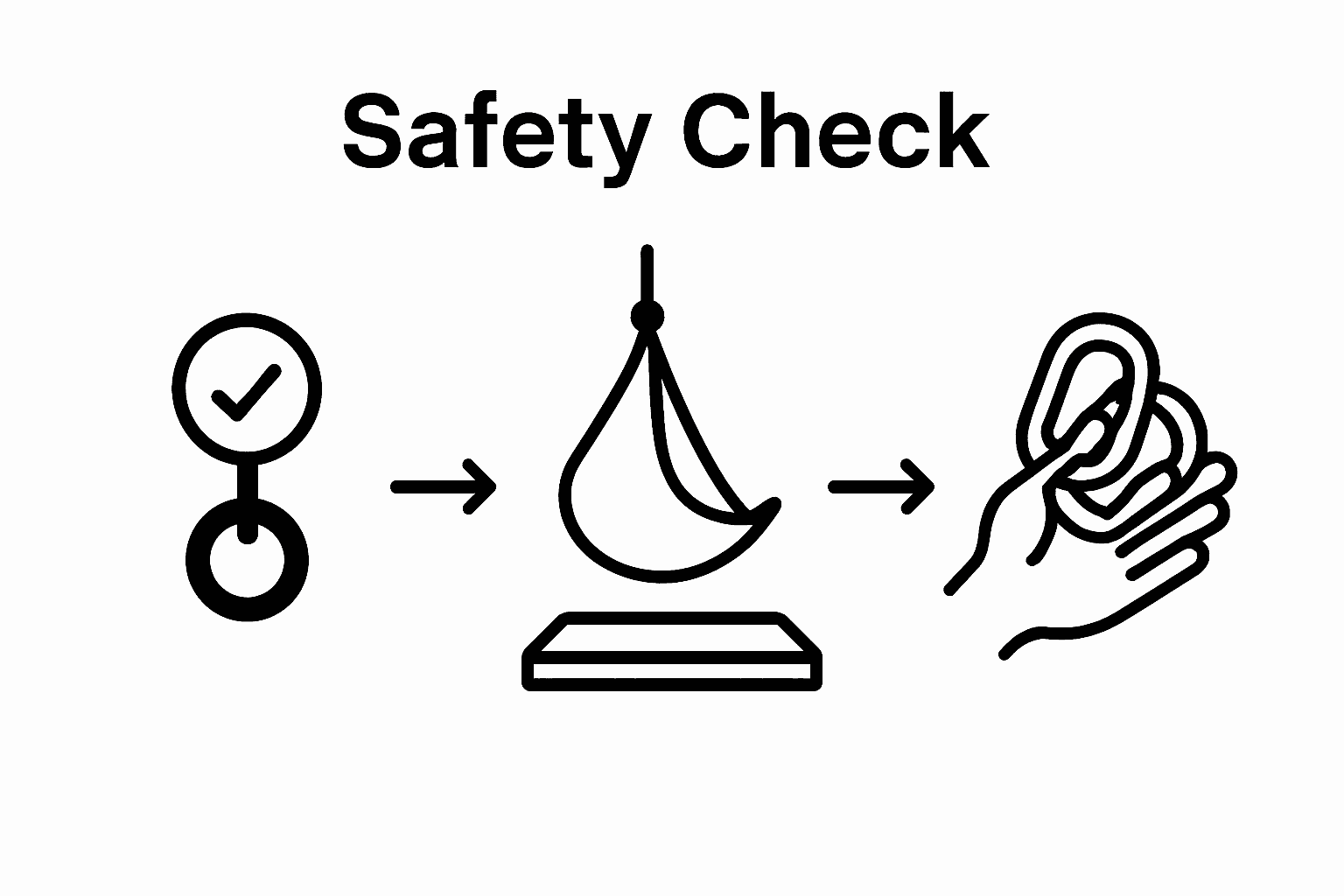
Verify that the practice area includes additional safety elements such as crash mats positioned strategically beneath your hanging apparatus. These protective floor coverings provide crucial cushioning in case of unexpected falls or during complex inversion practices. Communicate with your instructor about the maximum weight capacity of the equipment and confirm that your personal specifications align with the recommended safety guidelines. Always trust your instincts if something feels unstable or uncomfortable.
Pro tip: Before each class, quietly request a brief demonstration of equipment setup from your instructor, showing you precisely how the hammock is secured and checking its current condition.
To support your preparation, here is a summary of effective habits before an aerial yoga class:
| Preparation Aspect | Best Approach | Benefit for Your Practice |
|---|---|---|
| Meal Timing | Snack 60–90 minutes pre-class | Sustained energy, easy digestion |
| Pre-Class Hydration | 16–20 oz. water, 2 hours before | Prevents dehydration, comfort |
| Mindset | Set intention, arrive early | Reduces stress, enhances focus |
| Equipment Check | Inspect rigging and mat placement | Increased safety and confidence |
Elevate Your Aerial Yoga Journey with Expert Guidance and Support
Preparing for aerial yoga can feel overwhelming with all the details around safety checks, proper attire, mindset setting, and hydration. If you want to build confidence while mastering this empowering practice, finding the right community and knowledgeable instructors is essential. At Amrita Yoga & Wellness, we understand the importance of safety and intentional preparation in your aerial yoga success. Our welcoming studio in Philadelphia offers diverse classes that cater to all experience levels, ensuring you receive personal attention to help you develop strength and grace in the air.
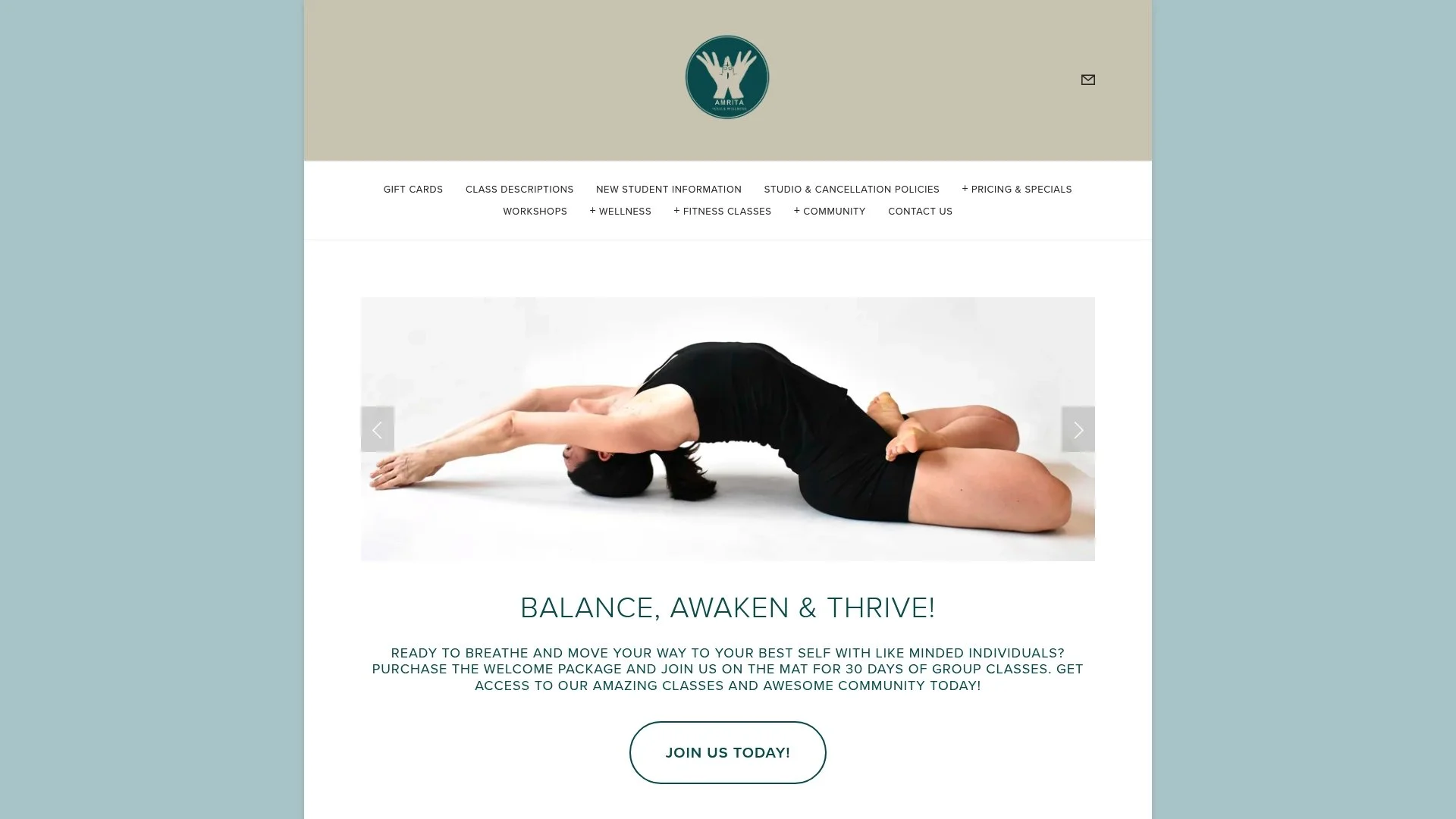
Unlock your full potential by joining a supportive environment where expert instructors guide you through every step, from rigging readiness to mental focus. Visit Amrita Yoga & Wellness to explore our detailed class descriptions, schedule your first aerial yoga session, and start experiencing the transformative benefits today. Take the leap now and turn your aerial yoga preparation into practiced excellence with a community committed to your growth and well-being.
Frequently Asked Questions
How do I choose the right aerial yoga class for beginners?
Selecting the right aerial yoga class starts with reviewing class descriptions and understanding the specific apparatus and skill requirements. Look for classes designed for beginners, and ensure the instructor has the necessary certifications and experience.
What should I wear for aerial yoga?
Wear form-fitting clothing that fully covers your arms and legs, such as leggings and snug tops without zippers or embellishments. This will help prevent fabric from getting caught in the hammock and reduce the risk of injury during practice.
How should I prepare my body before an aerial yoga session?
Prepare your body by consuming a light, balanced snack about 60 to 90 minutes before class and staying hydrated. Aim for snacks that combine complex carbohydrates and lean proteins to maintain energy levels without causing discomfort.
What mindset should I have going into an aerial yoga class?
Approach your aerial yoga practice with openness and curiosity, setting a personal intention that focuses on self-discovery rather than performance. Arrive early to create a mental transition into your practice, allowing yourself time to breathe and center before class begins.
How can I ensure the safety of the aerial yoga equipment?
Before beginning a class, conduct a thorough visual inspection of the aerial rigging and equipment for any signs of wear or damage. Communicate with your instructor about the safety measures in place, including the placement of crash mats and the maximum weight capacity of the equipment.