The Amrita Journal
Explore thoughtful stories, practical wellness guidance and inspiring ideas to support your movement, mindfulness and everyday wellbeing at Amrita.
Hot Yoga Essentials: What Every Beginner Needs to Bring
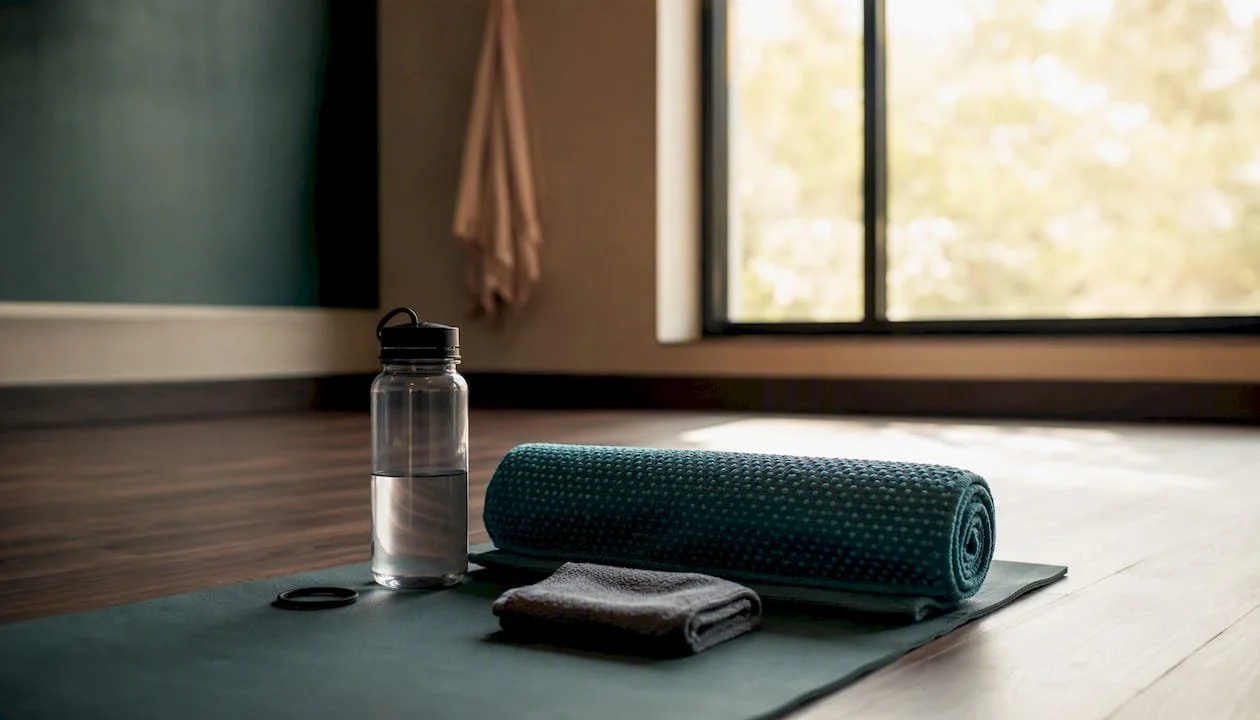
For your first hot yoga class, bring a grippy mat or full-length mat towel, a small hand towel, a large water bottle, moisture-wicking fitted clothing, a change of dry clothes, and a wet bag for soaked gear. That's the complete hot yoga checklist.
Here's why each item earns its spot in your bag:
Grippy mat or mat towel — sweat makes standard mats dangerously slippery; traction is the main safety upgrade in a heated room
Small hand towel — wipe sweat from your face and hands between poses without disrupting your flow
Large water bottle (at least 32 oz) — hot rooms typically run 90–105°F (32–40°C), per the International Yoga Conference checklist, and you will sweat more than you expect
Moisture-wicking fitted clothing — cotton holds sweat against your skin and gets heavy; fitted pieces stay put during inversions
Change of dry clothes — wet clothes are uncomfortable for the ride home and can cause chills
Wet bag — seals soaked gear away from dry items in your bag
Start hydrating the day before class, not the morning of. By the time you feel thirsty in a hot room, you're already behind.
Pro Tip: Pack your bag the night before. Forgetting a hand towel or dry clothes is the most common first-timer regret.
Key Takeaways
Traction, hydration, and a dry change of clothes are the three things that separate a comfortable first hot yoga class from a miserable one.
| Details | |
|---|---|
| Pack the core six | Mat or mat towel, hand towel, 32+ oz water bottle, fitted moisture-wicking clothes, dry change of clothes, wet bag. |
| Hydrate the day before | Drink 16–20 oz water 2–3 hours before class; sip during breaks rather than gulping mid-flow. |
| Traction is a safety issue | A mat towel with silicone nubs (like yogitoes® by Manduka) grips better as sweat builds, reducing slip risk. |
| Know when to stop | Dizziness, confusion, or very dark urine mean stop, cool down, and hydrate immediately. |
| Amritayoga wellness beginner classes | Philadelphia studio with rental gear, safety-focused teachers, and beginner hot yoga sessions available to book online. |
Table of Contents
Gear checklist: what to bring, what to rent, and a few smart extras
Amrita Yoga & Wellness studio tips for your first heated class
What to wear for hot yoga (and what to skip)
Wear fitted, moisture-wicking pieces made from polyester, nylon, or a compression knit with elastane. That's the short answer, and experts at Tom's Guide back it up.
For tops, a fitted sports bra or snug tank works well. Loose shirts ride up during forward folds and end up over your face. For bottoms, high-waist leggings, bike shorts, or fitted shorts with a built-in liner all work. High-waist styles stay put through deep hip openers without requiring constant adjustment.
A few things to avoid:
Cotton — absorbs sweat and becomes heavy, cold, and clingy within minutes
Baggy shirts — they flip over your head in downward dog and stay there
Thin light-colored fabrics — do a squat test in good lighting before class; many fabrics go transparent when soaked
Flat or minimal seam construction reduces chafing on the inner thighs and underarms, where sweat pools fastest. Compression knits also keep everything in place so your attention stays on your breath, not your waistband.
Pro Tip: Bring a lightweight cover-up or zip-up hoodie for before and after class. Studios can feel cold when you first walk in, and you'll want it after you cool down. A headband or hair tie keeps sweat out of your eyes mid-flow.
Gear checklist: what to bring, what to rent, and a few smart extras
Bring either a grippy mat or a full-length mat towel, a small hand towel, and a large water bottle. Everything else is optional but useful.
Studio rental vs. owning your gear:
Studio loaner mats are convenient for a first class, but they've been used by many people and may not grip well when wet. A personal mat towel laid over a rental mat solves both the hygiene and traction problems at once, and it's cheaper than buying a dedicated hot-yoga mat. Manduka's hot yoga guide recommends a grippy towel as the single most practical gear upgrade for heated classes.
Useful extras to pack:
Flip-flops or sandals for walking to and from the studio floor (bare feet in shared changing areas are a hygiene risk)
Wet bag or a sealed plastic bag for soaked clothes and towels
Deodorant and face wipes for a quick refresh if you can't shower immediately
Spare hair ties
A small bandage in case of a blister from a new mat or towel
Most studios rent mats and towels, but calling ahead to confirm saves a scramble at the door.
Pro Tip: A mat towel like the yogitoes® from Manduka costs less than a few rental fees and travels flat in any bag. It's the one gear upgrade worth buying before your second class.
Why mat construction and towel type matter for traction
Traction is the core safety issue in a hot room. A mat that grips on a dry floor can become a slip hazard once you're 20 minutes into a sweaty class.
Open-cell vs. closed-cell mats:
Open-cell mats (softer, more cushioned) absorb sweat into the material, which improves grip as you warm up but makes them harder to clean and prone to bacteria if not washed regularly. Closed-cell mats repel moisture, so sweat pools on the surface rather than soaking in. They're easier to wipe down but can get slippery when wet.
Mat towel options:
Towel typeHow it gripsBest forMicrofiber sueded towelFriction increases as towel gets dampLight-to-moderate sweatersSweat-activated silicone-nub towelSilicone nubs anchor to mat; grip improves with sweatHeavy sweaters, Bikram-style classes
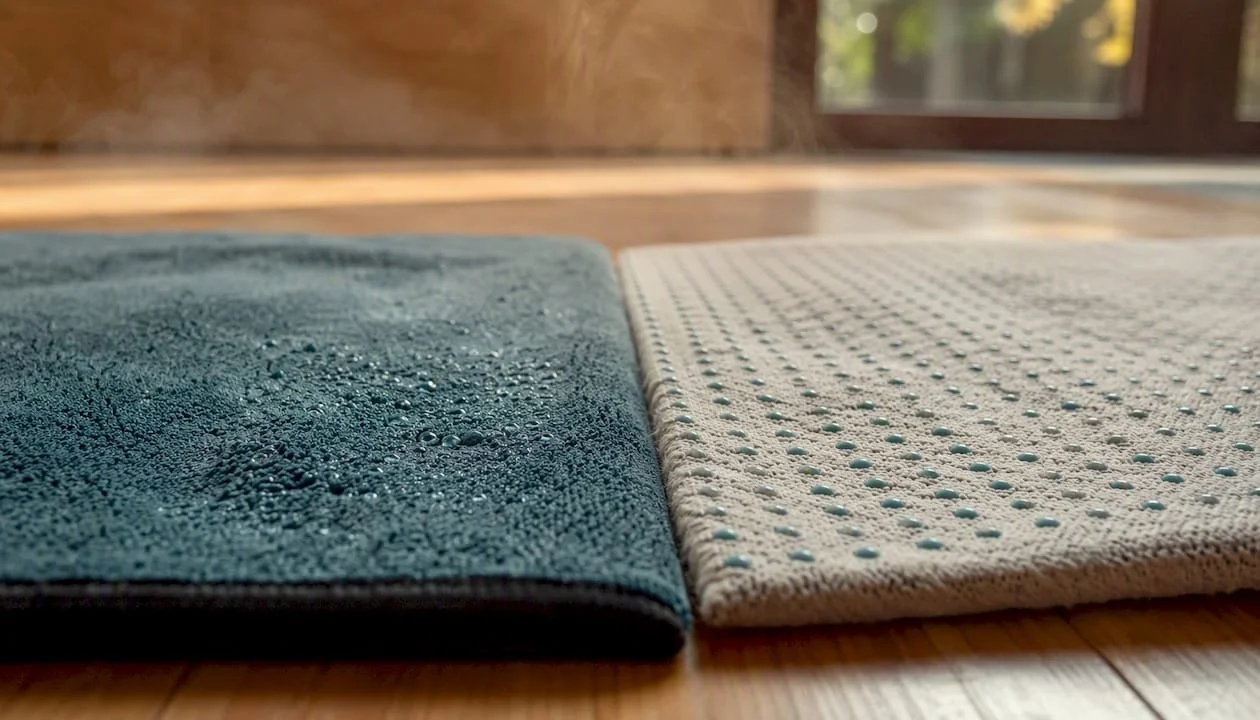
The yogitoes® mat towel from Manduka uses a sweat-activated textured surface with silicone nubs on the underside to anchor the towel and reduce bunching. The design means traction improves rather than degrades as sweat builds.
Quick checklist for buying a mat towel:
Full-length (at least as long as your mat)
Silicone nubs or anchoring corners to prevent bunching
Machine washable (cold wash, hang dry)
Compatible with studio rental mat dimensions
Pro Tip: Mist your mat towel lightly with water before class starts. It activates the grip faster so you're not slipping through the first 10 minutes while it warms up.
Hydration strategy: before, during, and after class
Arrive already hydrated. Drink steadily the day before class, then take in 16–20 oz of water 2–3 hours before you go. A small 8 oz top-up in the 30 minutes before class rounds out your pre-class prep.
CDC/NIOSH workplace heat guidancerecommends drinking about 1 cup (8 oz) every 15–20 minutes during moderate activity in heat, rather than waiting until you feel thirsty. Thirst is a lagging signal; by the time it kicks in, you're already mildly dehydrated.
Practical hydration schedule:
Day before: steady water intake throughout the day
2–3 hours before class: 16–20 oz
30 minutes before: 8 oz
During class: small sips during water breaks (follow studio rules)
After class: rehydrate steadily; add electrolytes if you sweated heavily
When to use electrolytes: Plain water covers most single classes. If you attend multiple hot classes per week, sweat heavily, or feel lightheaded after class, an electrolyte drink or tablet helps replace sodium and potassium. CDC Yellow Book guidance notes that electrolyte-containing drinks are most useful after longer or very intense sweating; for a standard 60-minute class, water is usually enough.
Avoid drinking large amounts during class. Sipping is fine; gulping a full bottle mid-flow can cause nausea.
Pre-class prep: timing, eating, and arrival
Arrive 10–15 minutes early, finish major meals 2–3 hours before class, and use the restroom right before you enter the room. Those three steps prevent most first-class discomfort.
Light snack timing: If you need something within an hour of class, keep it small and easy to digest: a banana, a few dates, or a small energy bar. Avoid anything high in fat or fiber.
Quick do/don't list:
Do remove shoes before entering the studio floor
Do tell the teacher it's your first heated class
Do set up near the door if you want an easy exit option
Don't apply heavy lotion, body oil, or sunscreen before class — they reduce mat grip and make the floor slippery
Don't eat a full meal within 2 hours of class
Studio etiquette steps:
Check in and confirm mat/towel rental if needed
Introduce yourself to the teacher and mention it's your first hot class
Set up your mat, lay your towel flat, and place your water bottle within reach
Take a few minutes to acclimate to the room temperature before class starts
Follow the teacher's cues for water breaks — don't drink freely if the studio asks you to wait
Post-class care: changing, cleaning gear, and recovery
Change out of wet clothes immediately after class and seal everything soaked into a wet bag. Sitting in damp synthetic fabric for an extended period irritates skin and breeds odor fast.
Step-by-step post-class routine:
Rinse off or shower if the studio has facilities
Change into completely dry clothes, including underwear
Drink water or an electrolyte drink
Pack wet mat towel, hand towel, and clothes into a sealed wet bag
Wash synthetics as soon as you get home: cold wash, no fabric softener, hang dry
Fabric softener coats synthetic fibers and traps odor rather than removing it. Skipping it keeps moisture-wicking fabrics working longer. For washing sweat-prone intimate apparel, the same cold-wash principles apply — SweeTee Beauty's guide on washing sweat-prone garments covers the method well.
Pro Tip: Keep a small hygiene kit in your bag: face wipes, deodorant, and a spare pair of underwear. You'll use all three after your first class.
Heat-safety signs and when to skip or modify class
Skip class if you have cardiovascular conditions, are pregnant, take medications that affect hydration or heat regulation, or feel unwell. When in doubt, check with your healthcare provider before your first heated class.
Stop and cool down immediately if you notice:
Dizziness or fainting
Severe nausea or vomiting
Confusion or disorientation
Very dark urine (a sign of significant dehydration)
Slow down or take child's pose if you feel:
A heavy, pounding headache
Excessive fatigue beyond normal exertion
Rapid heart rate that doesn't settle
CDC/NIOSH heat guidance identifies lack of acclimatization, dehydration, certain medications (diuretics, antihistamines, beta-blockers), and older age as factors that reduce heat tolerance. For more on hot yoga safety tips, Amritayogawellness has a dedicated resource.
Practical modifications for beginners:
Take child's pose whenever you need it — no explanation required
Practice near the doorway for easier airflow
Try a non-heated class first to build baseline fitness before adding heat
Amrita Yoga & Wellness studio tips for your first heated class
Tell your teacher it's your first heated class before you unroll your mat. That one sentence gets you modifications, positioning advice, and a heads-up on when water breaks happen.
Studio setup checklist:
Set up near the door if you want easier access to cooler air
Confirm mat and towel rental availability when you check in
Ask the teacher where water breaks fall in the sequence
Keep your phone on silent and stored outside the room
For deeper hot yoga preparation resources, Amritayogawellness publishes beginner-focused guides covering acclimatization, class pacing, and gear selection.
Pro Tip: After your first class, note what felt uncomfortable — too hot, too slippery, too hungry — and adjust one variable at a time. Most first-class issues are fixable with small prep changes.
Personal hygiene before class
Shower before class if you can, or at minimum wash your face and underarms. Arriving with clean skin reduces the bacterial load that causes odor when you sweat heavily. Skip heavy perfume or cologne — in a small, hot room, strong scents affect everyone around you.
Remove nail polish if it's chipping, since bare feet on a mat towel can catch on flaking edges. Keep fingernails trimmed to avoid tearing mat surfaces during weight-bearing poses.
Footwear for entering and leaving the studio
Wear flip-flops, slides, or easy slip-on shoes to and from the studio. You'll remove them before stepping onto the studio floor, and having something easy to slip on post-class matters when your feet are damp and you're tired.
Avoid lace-up shoes for a hot yoga day. They're slow to remove, and wet hands make laces harder to manage. Most studios have a designated shoe area near the entrance; leave footwear there and walk barefoot only on the studio floor itself, not in shared hallways or changing rooms.
Skin care during and after hot yoga
Arrive with a clean, bare face. Heavy moisturizers, sunscreen, and makeup migrate into your eyes when you sweat, which stings and distracts. A light, non-comedogenic moisturizer applied an hour before class is fine; anything applied right before will run.
After class, rinse your face with cool water as soon as possible. Sweat left on skin for an extended period can clog pores, particularly around the hairline and chest. If you're prone to breakouts, a gentle salicylic acid cleanser used post-class helps clear sweat residue before it settles.

Medical considerations before your first hot yoga class
If you have a heart condition, high blood pressure, diabetes, or a history of heat-related illness, talk to your doctor before attending a heated class. The same applies if you take diuretics, antihistamines, antidepressants, or beta-blockers, since several of these affect how your body manages heat and fluid balance.
Pregnancy is a standard contraindication for hot yoga. Most studios will ask you to disclose pregnancy at check-in, and many will redirect you to a non-heated prenatal class instead.
For a full overview of injury-free hot yoga practice, Amritayogawellness covers acclimatization timelines and risk factors in detail.
This article provides general information only and is not a substitute for medical advice. Confirm any health concerns with a qualified healthcare provider before attending your first heated class.
What actually made the difference on my first hot class
The single thing that changed everything was arriving already hydrated. Not chugging water in the parking lot, but drinking steadily the day before and taking in a solid 16 oz two hours before class. The room felt manageable instead of punishing.
The second thing: a mat towel. Slipping mid-pose in a hot room breaks concentration and confidence at the same time. Once the towel was down and damp, the grip held and the practice became about the poses rather than the floor.
Set a phone reminder for two hours before your next class: "Drink 16 oz now." That one habit removes the most common first-class mistake before it happens.
Ready for your first hot class at Amrita Yoga & Wellness?
Amrita Yoga & Wellness in Philadelphia offers beginner-friendly hot yoga classes with safety-focused instructors who know how to guide first-timers through the heat without overwhelm. Mat and towel rentals are available, so you can show up with just your water bottle and dry clothes and handle the rest on-site.
Classes are structured to let you work at your own pace, take rest poses freely, and build heat tolerance gradually. If you have medical questions before booking, reach out directly through the site. To check the current class schedule or sign up for a beginner session, visit Amritayogawellness. You can also explore tarot readings and wellness workshops while you're there.