The Amrita Journal
Explore thoughtful stories, practical wellness guidance and inspiring ideas to support your movement, mindfulness and everyday wellbeing at Amrita.
Aerial Yoga Self-Care Tips for Mindful Practice
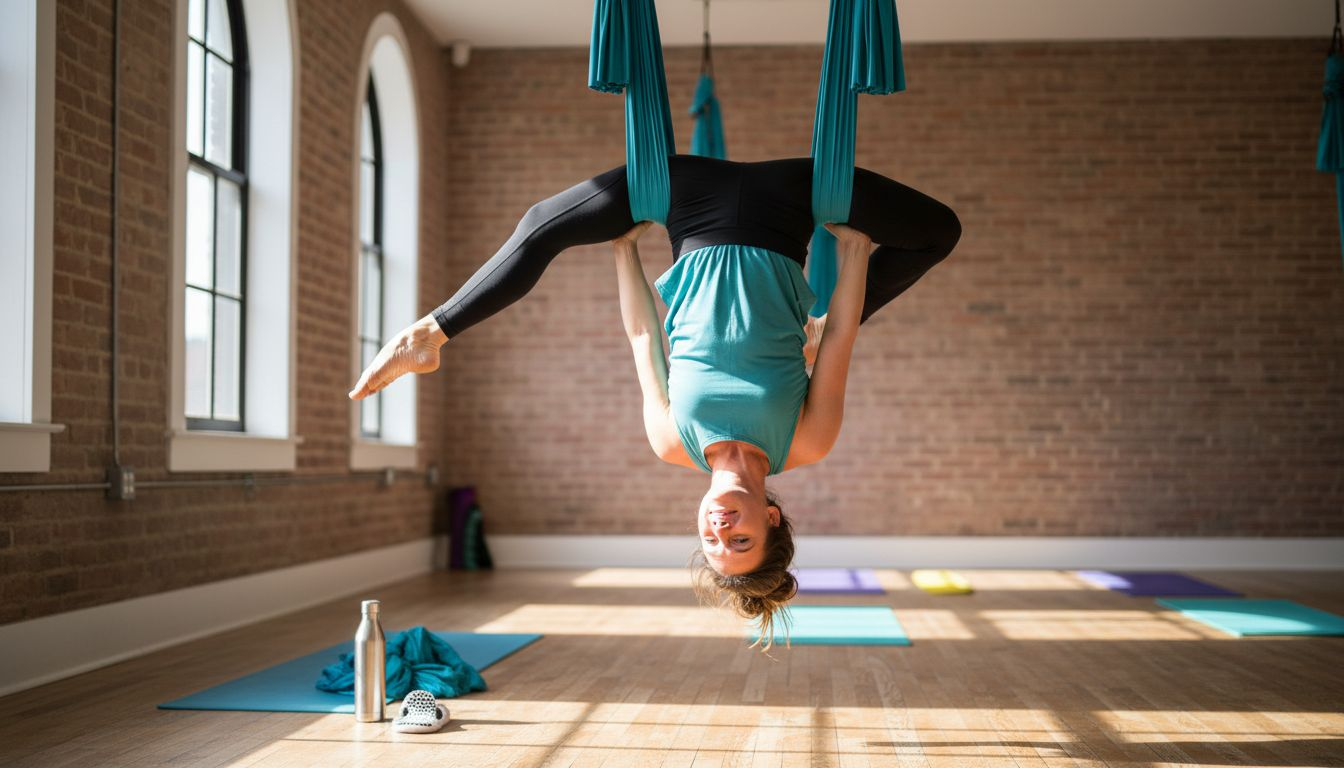
Most American aerial yoga enthusiasts are surprised to learn that the hammock used in classes can support up to 300 kilograms, proving that safety is well within reach for every body type. As adults in Philadelphia build on their intermediate skills, understanding how mind-body practices dispel common myths becomes crucial. This practical guidance uncovers how thoughtful gear choices and mindful self-care rituals help you get the most from each session and nurture sustainable mental wellness.
Table of Contents
Key Takeaways
| Point | Details |
|---|---|
| Accessibility | Aerial yoga is suitable for all fitness levels, not just advanced practitioners. It uses a hammock to support challenging poses safely. |
| Safety Considerations | Proper equipment and professional guidance greatly reduce the risk of injury, making aerial yoga a safe option for many individuals. |
| Mental Wellness | The practice promotes mental well-being through intentional movement, helping to alleviate stress and enhance emotional regulation. |
| Mindful Practice | Listening to your body and respecting personal limits are essential for a sustainable aerial yoga practice, helping to prevent injuries. |
Defining aerial yoga and common myths
Aerial yoga represents a dynamic fusion of traditional yoga practices with innovative aerial techniques, transforming how practitioners experience movement and physical wellness. Developed by Michelle Dortignac in 2006, this practice integrates elements from yoga, pilates, dance, and acrobatics using a specialized suspended hammock that supports participants safely.
Contrary to popular misconceptions, aerial yoga is not exclusively for advanced athletes or flexible practitioners. The hammock provides support that actually makes complex yoga poses more accessible, allowing individuals of varying fitness levels to explore challenging postures with reduced strain. The suspended fabric acts as both a support system and a tool for deepening stretches, enabling practitioners to experience enhanced spinal decompression and joint strengthening.
Common myths about aerial yoga often revolve around safety and difficulty. However, when practiced with proper equipment and professional instruction, this form of yoga offers significant therapeutic benefits. The hammock can support up to 300 kilograms, ensuring stability for practitioners of different body types and skill levels. By using controlled suspension, participants can achieve deeper stretches, improve balance, and reduce gravitational pressure on joints.
Here's a comparison of common myths versus the realities of aerial yoga:
| Misconception | Reality | Impact on Practice |
|---|---|---|
| Only for elite athletes | Welcomes beginners and all fitness levels | Wider public participation |
| Increases injury risk | Proper gear and instruction ensure safety | Fewer injuries with guidance |
| Requires extreme flexibility | Hammock support makes difficult poses accessible | Promotes confidence and growth |
Pro tip: Always attend your first aerial yoga classes with a certified instructor who can guide you through proper hammock techniques and safety protocols.
Essential gear and safe hammock setup
Aerial yoga hammocks represent specialized equipment designed to support practitioners during suspended yoga practices. The AIReal Yoga Rigging Guide emphasizes precise measurement and structural assessment for safe installation, highlighting the critical importance of proper gear selection and setup.
When preparing for aerial yoga, practitioners need several key pieces of equipment. The primary components include a high-quality aerial hammock constructed from durable, breathable fabric, robust carabiners capable of supporting significant weight, and secure mounting hardware. Professional rigging recommendations suggest each connection point must support loads of 1000 pounds or more, underscoring the necessity of using industrial-grade equipment.
Installation requires meticulous attention to detail. Potential mounting locations must be carefully evaluated for structural integrity, with professionals recommending specific height configurations and anchor point strategies. Options include single or double anchor point setups, each requiring precise measurements and specialized hardware like swivel attachments to ensure maximum safety and flexibility during practice.
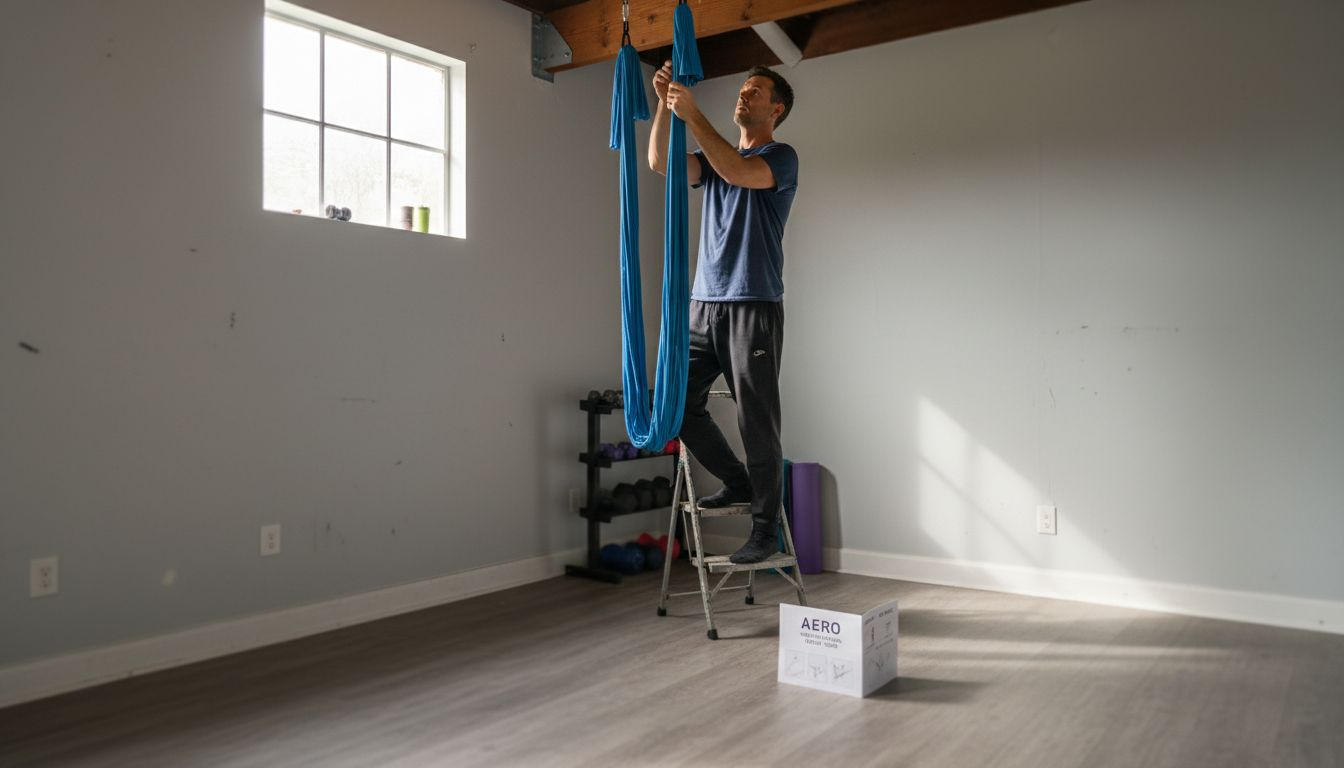
Pro tip: Consult a professional aerial yoga rigging expert before installing any home hammock setup to guarantee proper installation and prevent potential safety risks.
This table summarizes essential aerial yoga gear and its specific function:
| Equipment | Primary Function | Safety Feature |
|---|---|---|
| Hammock | Supports suspended poses | Made of durable, strong fabric |
| Carabiners | Connects hammock to anchor points | Rated for heavy loads |
| Mounting hardware | Secures anchors in ceiling/walls | Industrial-grade materials |
Best practices for self-care during aerial yoga
Aerial yoga is more than just a physical practice it's a holistic approach to wellness that demands mindful self-awareness and intentional care. In wellness-focused classes, practitioners learn to prioritize their body's needs and mental well-being through movement and reflection, transforming the practice into a sustainable self-care strategy.
Listening to your body represents the cornerstone of safe aerial yoga practice. This means recognizing your personal limits, avoiding competitive mindsets, and understanding that each session is unique. Practitioners are encouraged to take breaks as needed and use the hammock for supportive modifications, ensuring physical comfort and preventing potential strain or injury.
Mental self-care during aerial yoga involves creating a non-judgmental environment where personal growth takes precedence over performance. Techniques like mindful breathing, gentle introspection, and embracing vulnerability can help practitioners connect more deeply with their physical and emotional experiences. By approaching the practice as a journey of self-discovery rather than a competitive workout, individuals can cultivate a more nurturing and compassionate relationship with themselves.
Pro tip: Start each aerial yoga session by setting a personal intention that focuses on self-compassion and gentle exploration, rather than achieving perfect poses.
Promoting mental wellness through movement
Aerial yoga transcends traditional physical exercise by offering a unique pathway to mental wellness through intentional movement and mindful practice. The combination of traditional yoga and aerial arts creates a powerful approach to reducing stress and alleviating depression, providing practitioners with a holistic method of emotional regulation and personal transformation.
The suspended hammock environment stimulates the nervous system in ways that promote deep relaxation and emotional balance, allowing individuals to experience a sense of detachment from daily stressors. By incorporating gentle inversions and supportive poses, practitioners can unlock a profound sense of tranquility that extends beyond the physical practice, helping to mitigate anxiety and enhance overall mental clarity.
Mindful movement in aerial yoga involves more than physical positioning it requires a deliberate connection between breath, body awareness, and present-moment experience. The unique sensations of suspension create opportunities for practitioners to develop heightened concentration and emotional resilience. Through consistent practice, individuals learn to cultivate inner stillness, transform negative thought patterns, and develop a more compassionate relationship with themselves.
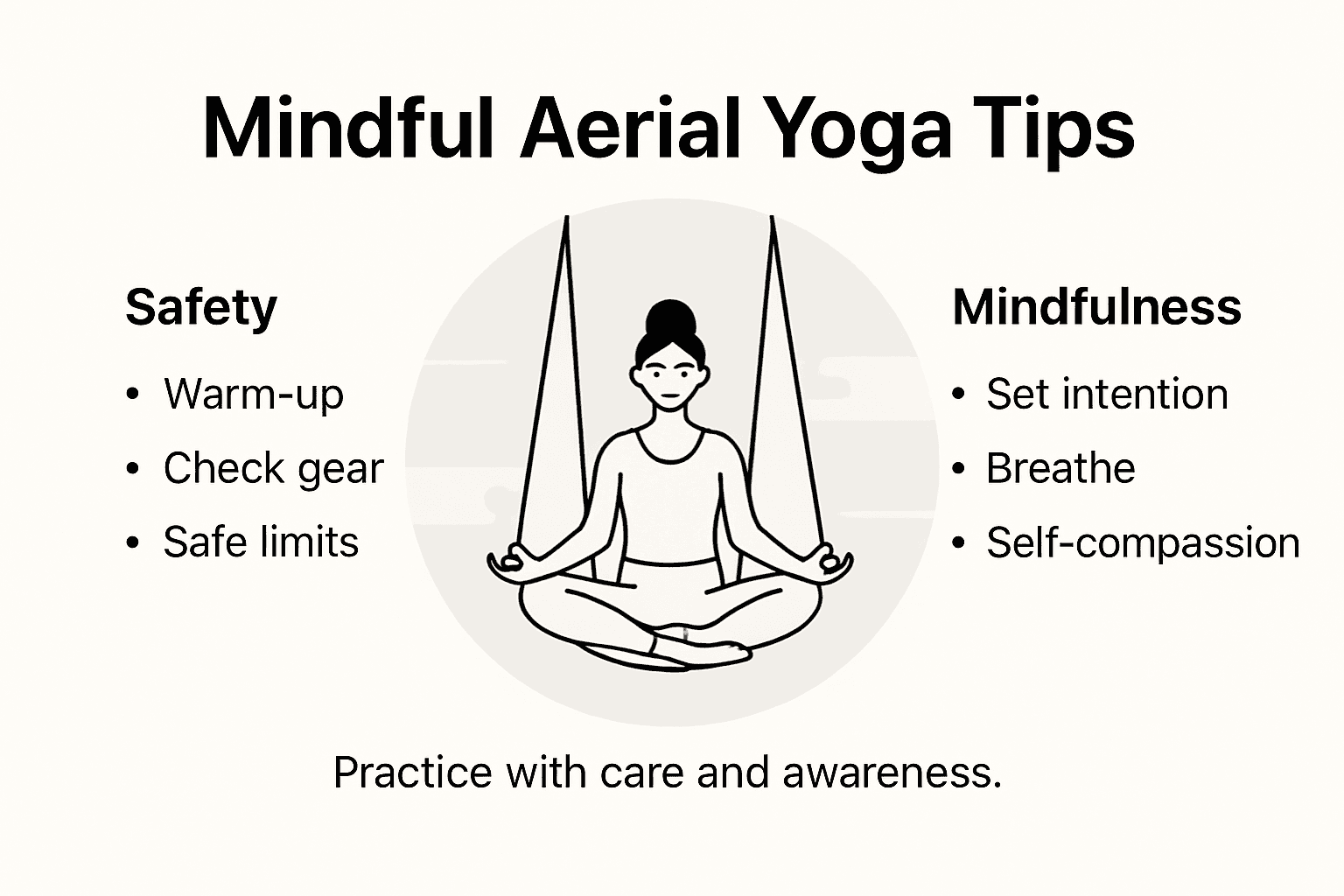
Pro tip: Integrate a brief meditation or intentional breathing practice at the beginning and end of your aerial yoga session to maximize mental wellness benefits.
Avoiding injuries and common mistakes
Aerial yoga demands a mindful approach to prevent potential injuries and setbacks. Common mistakes often stem from overconfidence, inadequate preparation, and rushing into advanced poses without proper foundational skills, which can compromise both physical safety and overall practice quality.
Prior to any aerial yoga session, practitioners must prioritize comprehensive warm-up routines and meticulous equipment checks. Neglecting proper alignment, ignoring body signals of discomfort, and using faulty or poorly installed equipment represent significant risks that can lead to falls or unexpected strains. Developing body awareness and maintaining a patient, gradual progression approach are critical strategies for preventing potential injuries.
Mindful movement requires practitioners to distinguish between challenging themselves and pushing beyond safe limits. This involves cultivating an intuitive understanding of personal physical boundaries, wearing appropriate attire that supports free movement, and consistently seeking professional guidance. By approaching aerial yoga with respect for individual capabilities and a commitment to gradual skill development, practitioners can create a sustainable and injury-free practice.
Pro tip: Always perform a thorough equipment inspection and listen to your body's signals before attempting any new aerial yoga pose.
Elevate Your Aerial Yoga Self-Care with Expert Guidance and Community Support
Embracing aerial yoga as a mindful self-care practice means acknowledging your personal limits, focusing on safe techniques, and nurturing mental wellness through intentional movement. Many practitioners face challenges like knowing how to set intentions, avoiding injury, and aligning with their body’s signals during suspended poses. At Amrita Yoga & Wellness, we understand these pain points and are here to help you deepen your practice with confidence and care.
Discover classes and workshops tailored to support your aerial yoga journey where safety, self-compassion, and growth come first. Whether you are a beginner or looking to advance mindfully, our Philadelphia studio offers expert instruction, accessible programs, and a welcoming community. Visit Amrita Yoga & Wellness today to explore schedules, book your spot, or connect with instructors who can guide you safely through every pose. Commit now to transform your self-care routine with mindful aerial yoga and enjoy the full mental and physical benefits highlighted in the article. Take the next step by browsing our offerings here and start your path to balanced wellness today.
Frequently Asked Questions
What is aerial yoga?
Aerial yoga is a practice that combines traditional yoga with the use of a suspended hammock, allowing practitioners to experience movement and wellness with enhanced support.
Is aerial yoga safe for beginners?
Yes, aerial yoga is safe for beginners as the hammock provides support that makes complex poses more accessible. It's important to attend classes with a certified instructor for guidance.
How can I prevent injuries during aerial yoga?
To prevent injuries, prioritize thorough warm-up routines, check your equipment, and listen to your body's signals. Progress gradually and seek professional guidance when trying new poses.
What should I focus on during an aerial yoga practice?
Focus on self-care by listening to your body, setting personal intentions, and creating a non-judgmental environment. Mindful movement and intentional breathing can enhance your overall experience.