The Amrita Journal
Explore thoughtful stories, practical wellness guidance and inspiring ideas to support your movement, mindfulness and everyday wellbeing at Amrita.
What Is Hot Flow Yoga and Why It Works
TL;DR:
Hot flow yoga is a dynamic practice combining breath-controlled movements in a heated studio to enhance flexibility, strength, and mental resilience. It offers cardiovascular benefits, improved joint mobility, and long-term physiological adaptations, emphasizing consistent training over detoxification myths. Beginners should prepare properly, start with lower temperatures, and focus on breath to safely experience its physical and mental advantages.
Most people assume hot flow yoga is just regular yoga with the thermostat cranked up. That's worth correcting before you walk into your first class. What is hot flow yoga, really? It's a heat-enhanced, breath-driven practice that fuses the physical intensity of vinyasa sequencing with the physiological demands of a heated studio environment. The result is something that challenges your body and mind in ways that neither element could accomplish alone. This guide covers the definition, real science-backed benefits, technique principles, and practical steps to get started with confidence.
Table of Contents
Key takeaways
| Point | Details |
|---|---|
| Heat is an active training tool | Consistent heat exposure drives physiological adaptations like increased blood plasma volume and better thermoregulation. |
| Not just a detox trend | The primary benefits are cardiovascular conditioning, improved joint mobility, and mental resilience, not sweat-based detoxification. |
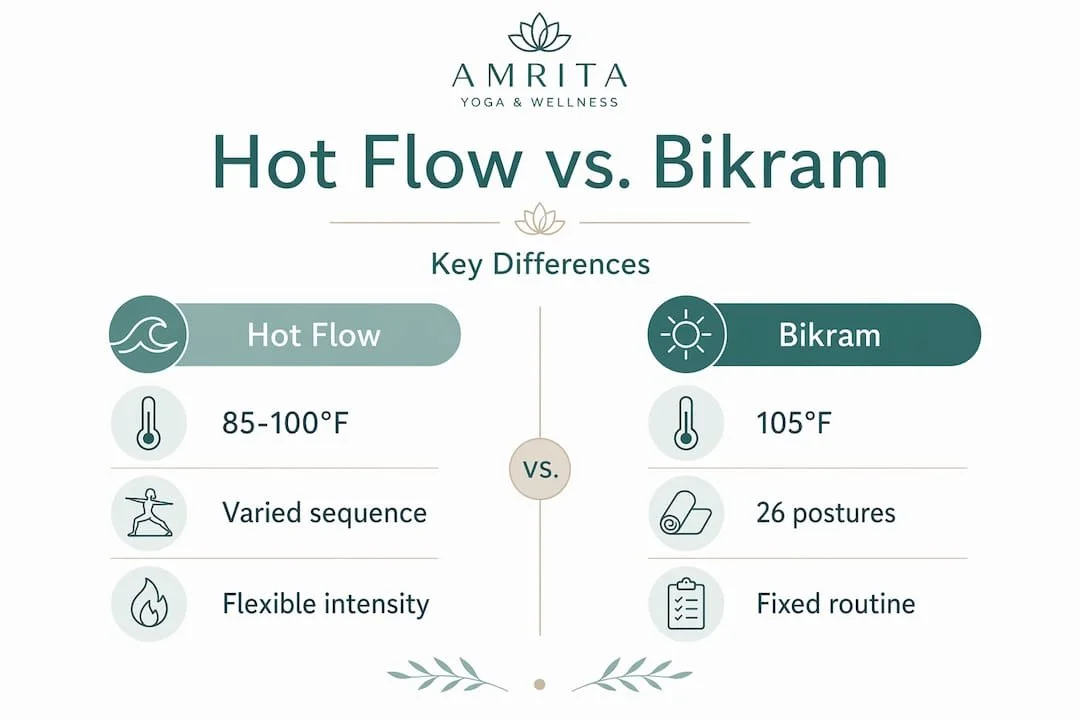
| Different from Bikram yoga | Hot flow yoga uses creative, variable sequencing rather than a fixed 26-posture series, making each class unique. |
| Beginners can participate | With proper hydration and pacing, hot flow yoga is approachable for newcomers as long as they prepare correctly. |
| Breath control is everything | Synchronizing breath with movement under heat stress is the defining technique that separates hot flow from other yoga styles. |
What hot flow yoga actually is
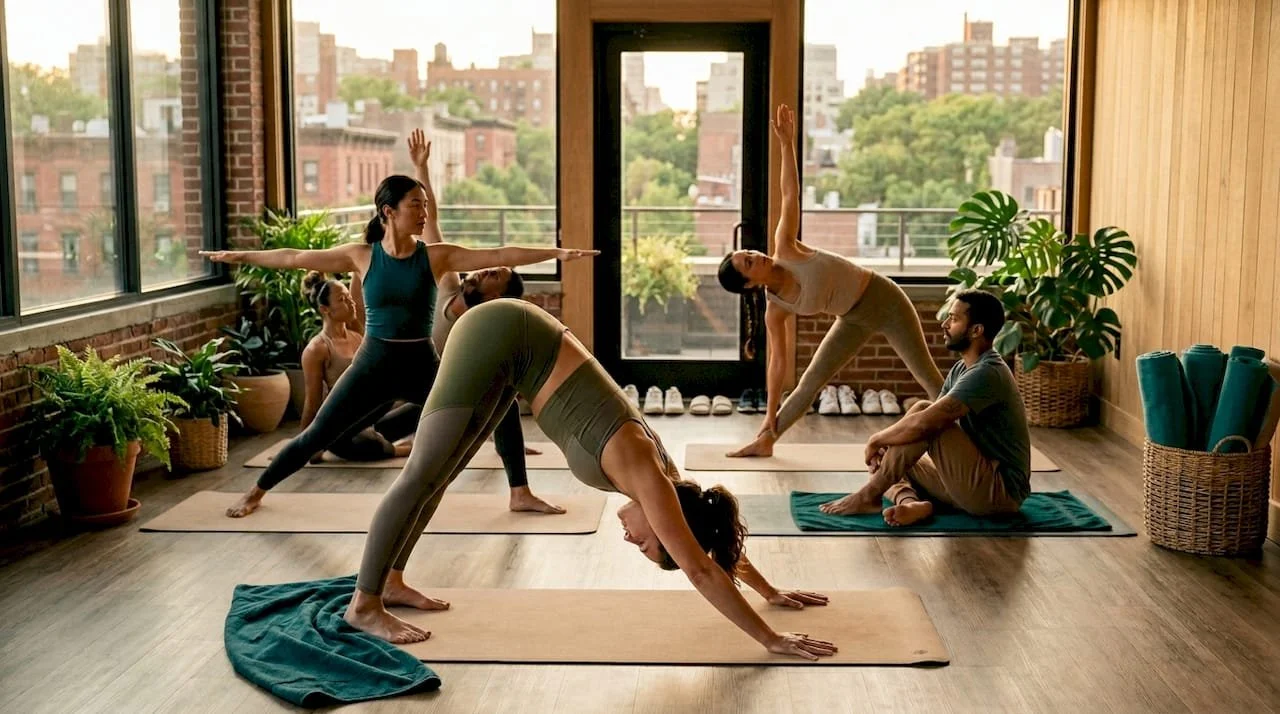
The hot flow yoga definition starts with two components working together: a heated room and a flowing movement practice. Studios typically heat the room to around 95°F (35°C), and classes move through postures in continuous, linked sequences where each transition is timed to an inhale or exhale. That's the "flow" part, borrowed directly from vinyasa yoga. The heat is not decoration. It changes how your muscles respond, how your cardiovascular system works, and how much focus you need to stay present.
Hot flow yoga evolved as a more flexible alternative to Bikram yoga, which locked practitioners into the same 26 postures in a room heated to 105°F. Hot vinyasa yoga and hot flow yoga are terms used interchangeably at most studios, and what is hot vinyasa if not a heated version of the breath-movement sequencing that vinyasa practitioners already know well? The key difference from traditional hot yoga formats is freedom. Instructors design sequences based on themes, athletic goals, or skill levels rather than following a script.
Temperature and humidity also vary more in hot flow studios. Bikram studios maintain strict conditions, but hot flow classes might run anywhere from 85°F to 100°F depending on the instructor and studio philosophy. This flexibility is part of why the practice has attracted so many fitness enthusiasts who want the physiological benefits of heat without the rigidity of a fixed sequence.
| Style | Temperature | Sequence | Intensity | Best for |
|---|---|---|---|---|
| Hot flow yoga | 85 to 100°F | Creative, variable | Moderate to high | Variety seekers, athletes |
| Bikram yoga | 105°F | Fixed 26 poses | Moderate | Structure-driven practitioners |
| Hot vinyasa | 90 to 100°F | Flow-based, varied | Moderate to high | Vinyasa fans wanting heat |
| Traditional vinyasa | Room temp | Flow-based, varied | Moderate | Beginners, heat-sensitive |
| Hatha yoga | Room temp | Held postures | Low to moderate | Alignment, restoration |
The real benefits of hot flow yoga
Skip the detox claims. Your liver and kidneys handle toxin removal, not your sweat glands. Detoxification via sweat is a myth that has followed hot yoga for decades, and accepting it as fact means overlooking what the practice actually delivers. The real benefits of hot flow yoga are grounded in physiology and they are substantial.
From a cardiovascular standpoint, hot yoga sessions are classified as light to moderate intensity, ranging from 3 to 6 METs (metabolic equivalents of task). That puts a hot flow class on par with brisk walking or cycling at a moderate pace, which meets the American College of Sports Medicine's threshold for cardiovascular benefit. The heat makes your heart work harder to pump blood to the skin for cooling, adding a layer of cardiovascular demand that a room temperature yoga class does not replicate.
On the mobility side, heat potentiates stretching by increasing tissue extensibility and reducing stiffness in joints and connective tissue. You will notice deeper ranges of motion in a hot room than you would in a 70°F studio, and that is not just psychological. It is a measurable physiological effect.
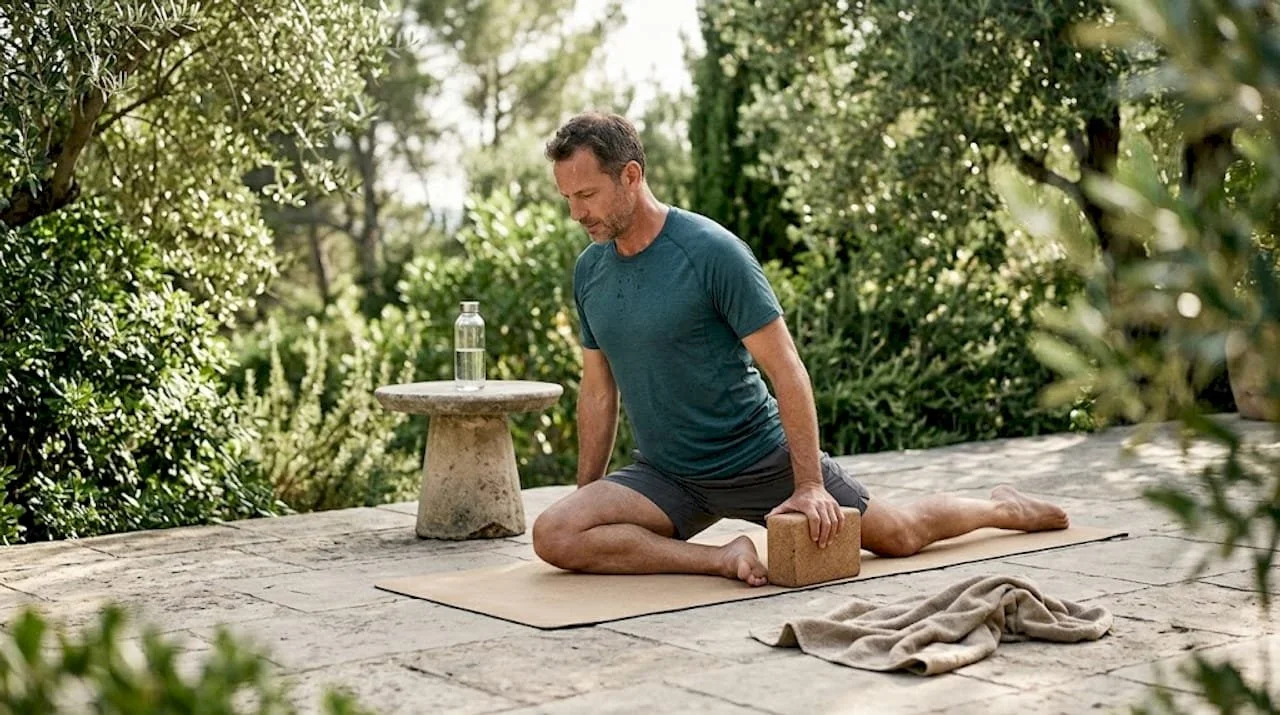
Consistent practice also leads to longer-term adaptations. Heat training improves thermoregulatory efficiency and expands blood plasma volume, which means your body becomes better at managing heat stress over time. Athletes in endurance sports use deliberate heat training for exactly this reason. Hot flow yoga delivers the same stimulus in a format that also builds strength, flexibility, and mental focus.
Key physical and mental benefits include:
Improved cardiovascular output during and after class
Greater joint mobility from heat-enhanced stretching
Blood plasma expansion that supports endurance performance
Stronger mental focus under physical discomfort
Caloric expenditure comparable to moderate aerobic exercise
Reduced muscle soreness when heat is used consistently as a recovery tool
Pro Tip: Drink 16 to 20 ounces of water two hours before class, not five minutes before. Showing up pre-hydrated reduces dizziness and lets you focus on the practice instead of managing thirst.
How the techniques actually work in the heat
Understanding how to do hot flow yoga means understanding that heat changes everything about technique. You cannot treat a hot flow class like a vinyasa class with warm lighting. The heat is an active stressor, and your approach to breath, pacing, and attention has to shift accordingly.
Here is how practitioners get the most from a hot flow session:
Prioritize breath over posture. When the room is at 95°F and you are halfway through a standing sequence, breath control is the mechanism that keeps you grounded. Inhale on movements that open the chest, exhale on forward folds and twists. Losing this connection is the fastest route to feeling overwhelmed.
Slow down the transitions. Hot flow yoga uses creative, less rigid sequencing compared to Bikram, but that does not mean rushing through it. Moving deliberately between postures lets your heart rate stabilize and preserves energy for the second half of class.
Use stillness as a strategy. Child's pose is not a failure. Coming down for 30 seconds and reconnecting with your breath is a technique, especially when heat challenges mental resilience and disrupts pacing in ways room-temperature yoga never does.
Monitor exertion, not just effort. You will feel like you are working harder than you are because of heat-driven heart rate elevation. Rate your breathlessness, not your sweat. If you cannot speak in short sentences, dial back intensity.
Cool gradually after class. Dropping your core temperature too fast after 60 minutes of heat exposure can cause dizziness. Sit for a few minutes, sip water steadily, and let your system normalize before heading into a cold space.
Class durations typically run 60 to 90 minutes. For beginners, a 60-minute class allows adequate time to experience the heat adaptation without overextending. Most hot yoga instructors will tell you that your first three sessions are about acclimatization, not performance. Trust that process.
Pro Tip: Wear moisture-wicking fabric and bring a large towel for your mat. Sweat pooling on a yoga mat is a grip problem, not just a comfort one, and it increases your injury risk significantly.
Hot flow vs. similar yoga styles
One of the most common points of confusion for people entering this space is figuring out how hot flow yoga compares to what they have heard about. The differences matter because each style prioritizes different things.
Bikram is the most frequently confused with hot flow. Both use heat, but Bikram's fixed 26-posture series runs in a room 10 degrees hotter than most hot flow studios. Bikram is predictable and structured. Hot flow is adaptive and creative, which many practitioners find more mentally engaging over time.
Hot vinyasa and hot flow yoga are genuinely almost the same thing. What is hot vinyasa yoga compared to hot flow? Essentially the same practice with slightly different branding depending on the studio. If a class is labeled hot vinyasa, expect breath-linked sequences in a heated room. The distinction is mostly marketing.
Traditional vinyasa at room temperature builds the same movement vocabulary without the heat stimulus. You will develop strength and flexibility, but you will miss the cardiovascular overlay and the mental demand that heat introduces. For fitness enthusiasts who already train aerobically, hot flow adds a conditioning layer that traditional vinyasa does not.
Hatha yoga is slower, posture-focused, and restorative by comparison. It is the right choice for recovery days or for practitioners who need to slow down and study alignment. Hot flow is not that. It is active, athletic, and demands more continuous engagement.
Getting started with hot flow yoga
Hot flow yoga for beginners does not require experience with yoga, but it does require preparation. Walking in cold, without a plan, is the reason most people have a miserable first class and never return.
What to expect from hot flow yoga in your first session: the heat will feel more intense than you anticipated, the sequences will move faster than you expect, and you will probably spend some time in child's pose. That is completely normal. Most experienced practitioners did the same in their early classes.
Practical steps for a strong start:
Check the room temperature before booking. Some studios run at 85°F, others push to 100°F. For your first class, look for something in the lower range.
Eat light beforehand. A full meal 90 minutes before class is too much. A small snack two hours prior works well.
Arrive 10 to 15 minutes early. Sitting in the room before class starts helps your body begin adjusting to the heat before the physical demand begins.
Follow hot yoga safety guidelines. Know the signs of heat exhaustion: lightheadedness, nausea, or a sudden drop in sweat. Leave the room immediately if any of these appear.
Give it three sessions. The first class is uncomfortable. The second is less so. By the third, your body starts to adapt and the practice begins to feel like what it actually is.
For practitioners with existing medical conditions, particularly cardiovascular issues, check with a physician before starting any heated yoga practice. The injury-free practice guidelines from Amrita Yoga & Wellness cover the specific precautions worth reviewing before your first class.
My honest take on hot flow yoga
I've watched hundreds of fitness enthusiasts dismiss hot flow yoga as a trendy sweat session and miss something genuinely useful as a result. In my experience, what separates consistent hot flow practitioners from people who dabble and move on is understanding that the heat is not the product. The heat is the tool.
What I've found is that the mental dimension of this practice is consistently underestimated. Staying composed, breathing fully, and moving deliberately when your body is running warm builds a kind of psychological endurance that carries into other areas of training and daily life. I've seen athletes who were exceptional in cold conditions completely fall apart in the heat, and hot flow gave them a structured way to address that gap.
The people who get the most out of hot flow yoga treat it the way sports scientists treat heat training: as a stimulus that requires consistency to pay off. Show up twice a week for six weeks and the adaptations become real. Go once a month and you just feel hot.
My suggestion is to resist evaluating it after one class. Evaluate it after a month of regular practice. The difference in how your body manages heat, how your breath responds under pressure, and how your joints feel in the morning will give you a much clearer answer than any single session can.
— Amritayogawellness
Try hot flow yoga at Amrita Yoga & Wellness
If you are ready to put this into practice, Amrita Yoga & Wellness in Philadelphia offers hot flow yoga classes designed for both first-timers and experienced practitioners. The studio's instructors bring structure and creativity to every heated session, helping you build the physical and mental foundation this practice requires.
Beyond yoga, Amrita offers a full range of wellness services including tarot readings that many students use to complement their physical practice with intentional reflection. Whether you want to drop into a single class or build a consistent hot flow routine, the team at Amrita Yoga & Wellness can help you find the right fit. Browse the full class schedule and find a session that works for where you are right now.
FAQ
What is hot flow yoga, exactly?
Hot flow yoga is a vinyasa-style yoga practice performed in a studio heated to approximately 85 to 100°F, where postures are linked continuously through breath-synchronized movement. It combines the cardiovascular demand of heat training with the flexibility and strength development of flowing sequences.
How is hot flow yoga different from Bikram?
Bikram yoga uses a fixed series of 26 postures in a 105°F room, while hot flow yoga uses variable, instructor-designed sequences in a slightly cooler environment. Hot flow offers more creative variety and typically feels less rigid than Bikram.
Is hot flow yoga good for beginners?
Yes, with the right preparation. Beginners should start in classes heated to the lower end of the temperature range, arrive early to acclimatize, hydrate thoroughly before class, and give themselves at least three sessions before drawing conclusions about the practice.
What are the main benefits of hot flow yoga?
Research classifies hot yoga as light to moderate intensity cardiovascular exercise, with added benefits including improved joint mobility from heat-enhanced stretching, increased blood plasma volume from consistent heat exposure, and stronger mental resilience developed through breath management under physical stress.
Does hot yoga actually detox your body?
No. The detoxification claims associated with hot yoga are not supported by physiology. Your sweat glands do not filter toxins. The real benefits are cardiovascular conditioning, mobility gains, and mental focus, all of which are well-documented and worth pursuing on their own terms.