The Amrita Journal
Explore thoughtful stories, practical wellness guidance and inspiring ideas to support your movement, mindfulness and everyday wellbeing at Amrita.
Pilates for Beginners: Building Strength and Flexibility
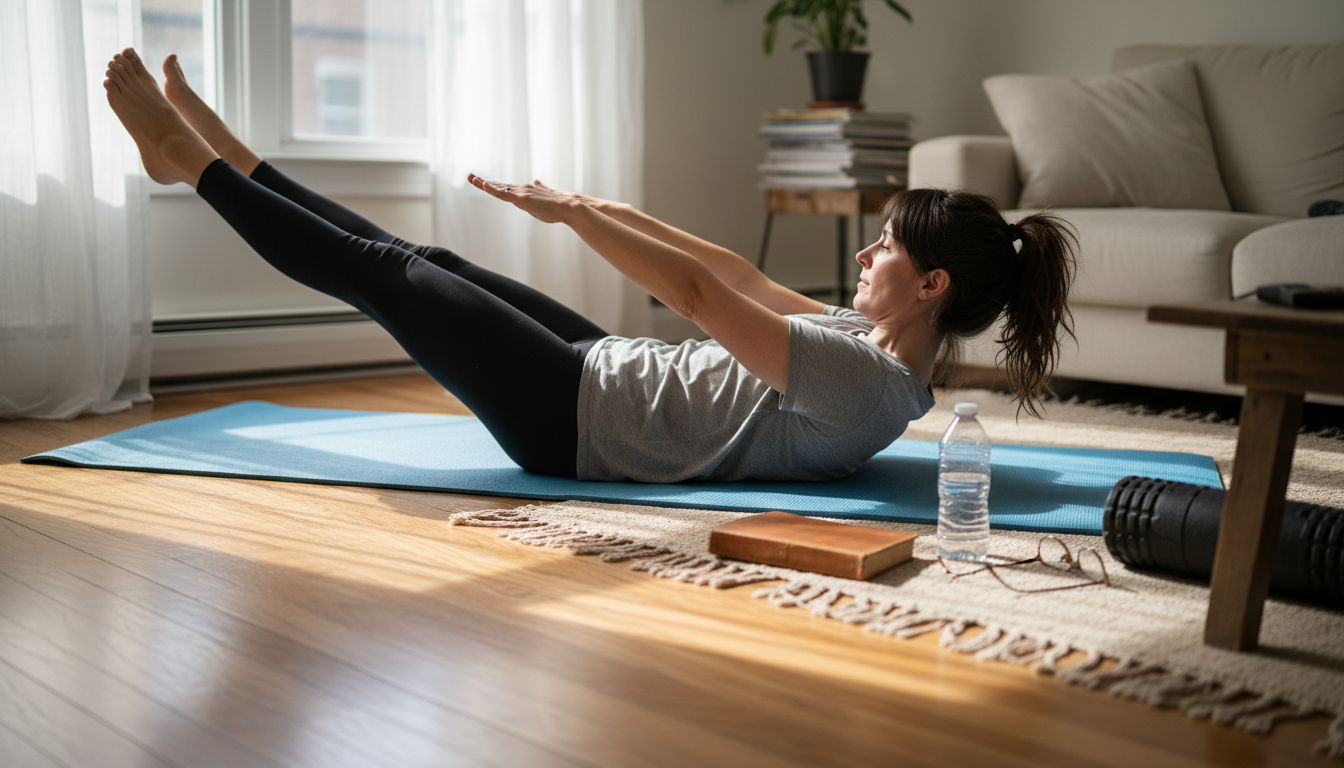
Over 60 percent of American adults report seeking ways to enhance both strength and flexibility without high-impact workouts. The search for effective, holistic routines is driving Pilates into the mainstream. With its focus on mindful movement and proven results, Pilates offers Americans an adaptable path to a stronger body and calmer mind, promising practical benefits that go beyond typical exercise trends.
Table of Contents
Key Takeaways
| Point | Details |
|---|---|
| Holistic Mind-Body Approach | Pilates integrates physical conditioning with mental focus, promoting both physical strength and mental clarity. |
| Mat vs. Reformer | Mat Pilates is accessible and requires minimal equipment, while reformer Pilates provides varied resistance but needs specialized machines. |
| Focus on Proper Form | Beginners should prioritize learning correct techniques and listening to their bodies to prevent injuries and maximize benefits. |
| Explore Class Options | Experimenting with different Pilates classes can help you find the style that best matches your fitness goals and preferences. |
What Pilates Is and How It Works
Pilates is a comprehensive mind-body exercise system developed by Joseph Pilates in the early 20th century, focusing on creating balanced, functional strength throughout the body. Originally designed to improve core stability and muscle control, this practice emphasizes precise, intentional movements that engage multiple muscle groups simultaneously.
At its core, Pilates is about creating harmony between body and mind through carefully controlled exercises that enhance flexibility, posture, and overall physical performance. Unlike high-impact workouts, Pilates concentrates on quality of movement over quantity, with practitioners performing approximately 50 fundamental exercises designed to build strength without creating bulk. The practice incorporates key principles like concentration, precision, breath, and flow - making it a holistic approach to physical fitness.
Pilates exercises can be performed on a mat or using specialized equipment like the reformer, providing adaptable workout options for practitioners of all fitness levels. The method targets deep muscle groups, particularly the core, which helps improve stability, alignment, and body awareness. By focusing on controlled, deliberate movements, Pilates helps develop long, lean muscle tone while simultaneously improving joint mobility and reducing injury risk.
Pro Tip: Start Slow: Begin your Pilates journey with beginner-level mat classes or private instruction to learn proper form and understand fundamental movement principles before advancing to more complex routines or equipment-based exercises.
Mat vs. Reformer Pilates: Key Differences
Pilates offers practitioners two primary training approaches: mat and reformer workouts, each with unique characteristics and benefits. Mat Pilates uses body weight for resistance, focusing on controlled movements performed directly on the floor, while reformer Pilates utilizes a specialized machine that adds complexity and versatility to the exercise routine.
The fundamental difference between mat and reformer Pilates lies in their equipment and resistance mechanisms. Mat Pilates relies entirely on body weight and gravity to create resistance, challenging practitioners to maintain precise muscle engagement and core stability. Reformer Pilates, by contrast, incorporates a sliding carriage with adjustable spring tensions, allowing for more dynamic and varied resistance levels that can be customized to individual fitness capabilities.
Both mat and reformer Pilates share core principles of controlled movement, breath work, and muscle precision. However, reformer sessions typically offer more exercise variations and can provide greater muscle isolation due to the machine’s design. Mat Pilates tends to be more accessible for beginners, requiring minimal equipment and space, while reformer workouts often demand more technical instruction and specialized equipment.
Here’s a quick comparison of Mat vs. Reformer Pilates to help you choose the best fit:
| Aspect | Mat Pilates | Reformer Pilates |
|---|---|---|
| Equipment Needed | Floor mat only | Reformer machine and accessories |
| Accessibility | Suitable for home or studio | Requires a Pilates studio |
| Resistance Mechanism | Body weight and gravity | Adjustable springs and pulleys |
| Variation | Fewer exercise variations | Wide range of movement options |
| Cost | Generally low or free | Typically higher per session |
Pro Tip: Equipment Selection: Choose mat Pilates if you’re just starting out or prefer a minimalist approach, and consider reformer classes when you want more varied resistance and are comfortable with guided instruction from a certified professional.
Core Benefits for Mind and Body Wellness
Pilates offers a holistic approach to wellness that transforms both physical and mental health, providing a comprehensive exercise method that goes far beyond traditional fitness routines. By integrating mindful movement with targeted muscle conditioning, Pilates creates a powerful platform for total body transformation that addresses strength, flexibility, and mental well-being simultaneously.
The physical benefits of Pilates are extensive and scientifically documented. Regular practice enhances core strength, improves posture, and increases overall muscle tone and joint mobility, helping practitioners develop a more balanced and resilient physical structure. Unlike high-intensity workouts that can strain the body, Pilates focuses on controlled, precise movements that build strength without causing unnecessary stress or potential injury.
Mental wellness is equally important in the Pilates practice, with the method emphasizing mindful breathing, concentration, and intentional movement. Through its unique approach, Pilates helps reduce stress, improve mental clarity, and cultivate a deeper connection between mind and body. Practitioners often report increased body awareness, improved emotional regulation, and a sense of inner calm that extends far beyond the workout session.
The table below highlights key physical and mental benefits of regular Pilates practice:
| Benefit Area | Description | Lasting Impact |
|---|---|---|
| Core Strength | Builds deep abdominal and back muscles | Enhanced posture and stability |
| Flexibility | Increases joint and muscle mobility | Reduced risk of strains and injury |
| Body Awareness | Improves movement precision | Better daily coordination |
| Mental Clarity | Promotes focus and stress reduction | Greater emotional resilience |
Pro Tip: Mindful Integration: Begin each Pilates session by setting a personal intention and focusing on your breath, transforming your practice from a mere physical exercise into a holistic mind-body wellness experience.
How to Choose the Right Pilates Class
Selecting the ideal Pilates class requires thoughtful consideration of your personal fitness goals, physical condition, and available resources. The Pilates landscape offers multiple approaches, from mat-based workouts to reformer-focused sessions, each designed to meet different fitness levels and objectives. Understanding the nuances of each class type can help you make an informed decision that aligns with your wellness journey.
Beginners should typically start with mat Pilates, which provides a foundational understanding of core movements and techniques. When assessing class options, consider factors like cost, accessibility, and the intensity of workout that matches your current fitness level. Mat classes are generally more budget-friendly and require minimal equipment, making them an excellent entry point for those new to Pilates or working within financial constraints.
As you progress, you might explore reformer Pilates, which offers more resistance and complex movement patterns. Advanced practitioners often appreciate reformer classes for their ability to provide targeted muscle conditioning and increased workout variety. However, these classes typically require specialized equipment and professional instruction, which means higher costs and potentially less accessibility compared to mat-based sessions.
Pro Tip: Trial and Exploration: Attend introductory classes across different Pilates styles to discover which approach resonates most with your body and fitness objectives, allowing you to make a more informed long-term commitment.
Safety Tips and Common Beginner Mistakes
Understanding the fundamentals of safe Pilates practice is crucial for preventing injuries and maximizing your fitness journey. Beginners often approach Pilates with enthusiasm that can sometimes overshadow the importance of proper technique and body awareness, leading to potential strain or incorrect movement patterns that could compromise their overall progress.
One of the most critical aspects of Pilates safety involves developing proper form and alignment. Consulting with a qualified instructor helps beginners learn correct breathing techniques and body positioning, which are essential for preventing common mistakes. Typical errors include pushing too hard, neglecting core engagement, and failing to maintain consistent breathing patterns. These mistakes can not only reduce the effectiveness of your workout but also increase the risk of muscle strain or joint stress.
Progressively building strength and flexibility is key to a safe Pilates practice. Beginners should start with foundational movements, focusing on understanding each exercise’s precise mechanics before advancing to more complex sequences. Avoid comparing yourself to more experienced practitioners, and listen to your body’s signals. Modifications are always available and should be embraced as a smart approach to building strength safely and sustainably.
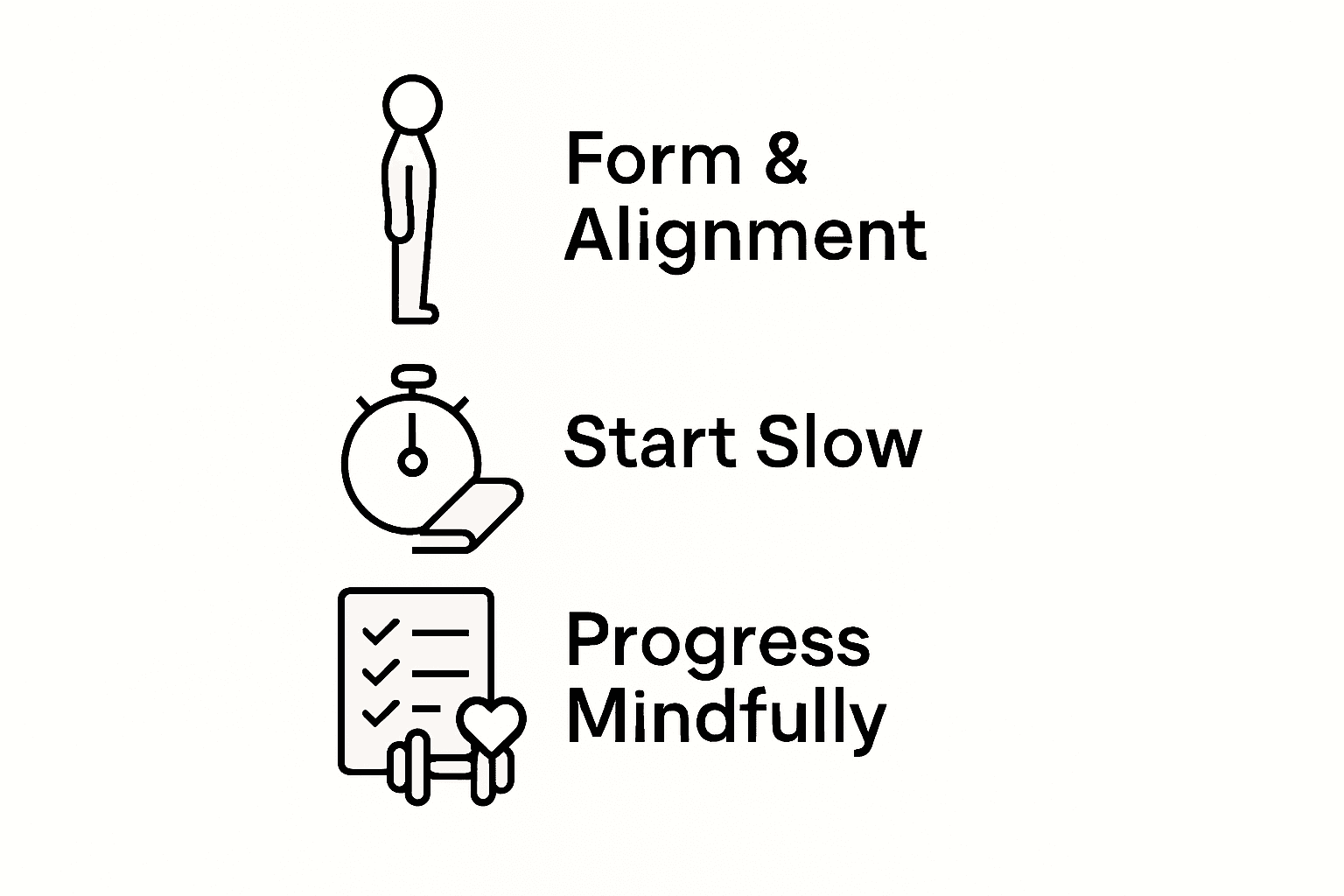
Pro Tip: Mindful Progression: Begin each Pilates session by checking in with your body, acknowledging your current energy and limitations, and committing to performing exercises with controlled, deliberate movements rather than rushing or competing with others in the class.
Start Your Pilates Journey with Confidence and Support
Struggling to build strength and flexibility safely as a Pilates beginner is common. This article highlights challenges like mastering core engagement, understanding precise breathing, and choosing between mat or reformer Pilates. At Amrita Yoga & Wellness, we understand these hurdles and provide expert guidance tailored to your fitness level. Whether you want to grow confidence in your form or explore Pilates in a welcoming community, our classes help you embrace mindful progression and lasting wellness.
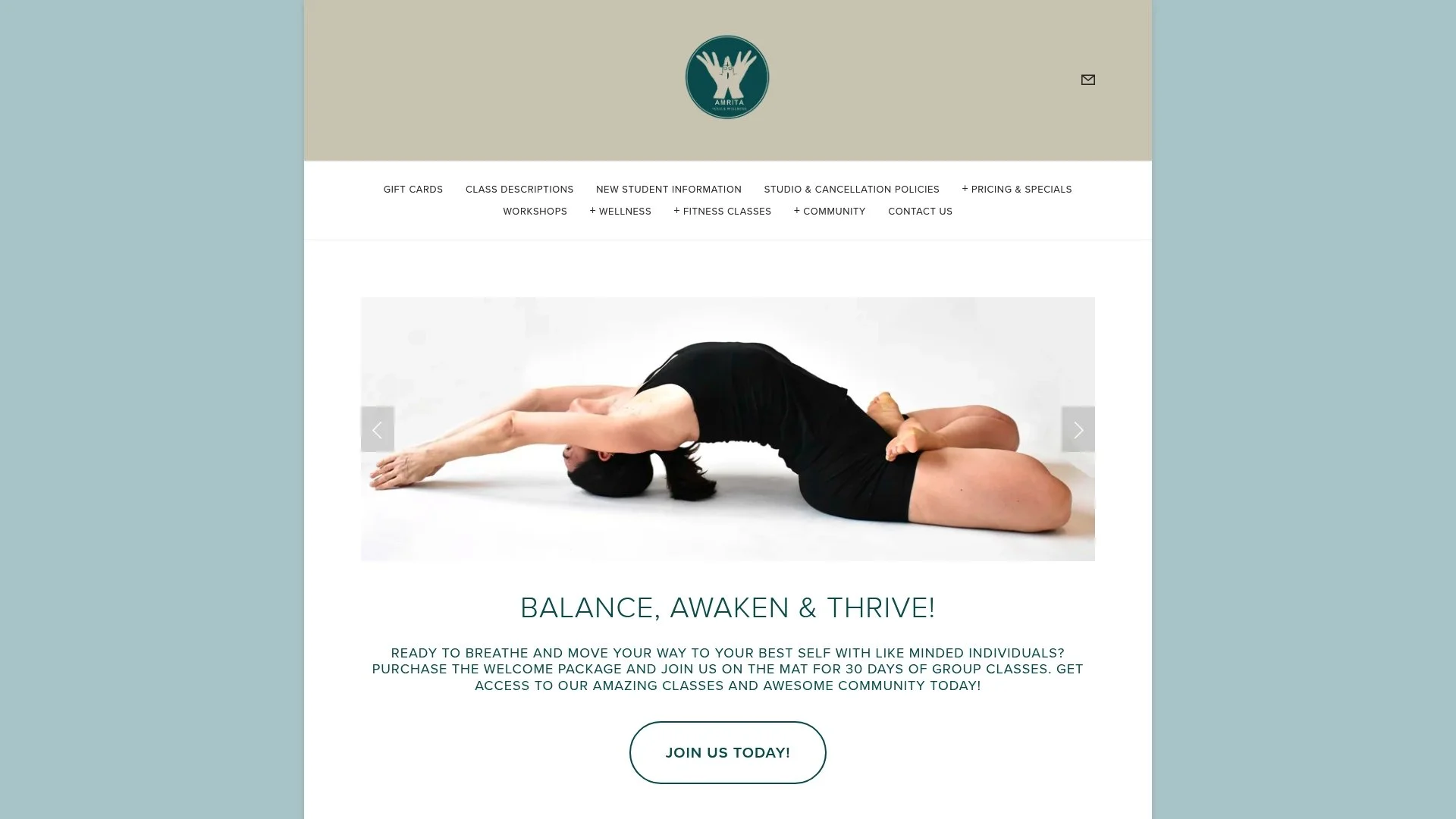
Begin your transformation today by joining beginner-friendly Pilates sessions designed to develop strength, improve flexibility, and sharpen body awareness. Visit Amrita Yoga & Wellness to discover class options, find your perfect Pilates style, and start experiencing the mental and physical benefits of mindful movement. Don’t wait to empower your mind and body with expert-led instruction that supports your wellness goals. Learn more and sign up now at https://amritayogawellness.com.
Frequently Asked Questions
What is Pilates and how does it work?
Pilates is a mind-body exercise system focusing on creating balanced, functional strength throughout the body. It emphasizes controlled movements that engage multiple muscle groups, enhancing flexibility, posture, and overall performance.
What’s the difference between mat Pilates and reformer Pilates?
Mat Pilates uses body weight for resistance and is performed on the floor, while reformer Pilates incorporates a specialized machine that provides adjustable resistance and a greater variety of exercises.
What are the key benefits of practicing Pilates?
Pilates enhances core strength, flexibility, body awareness, and mental clarity. Regular practice can lead to improved posture and reduced stress, contributing to overall wellness for both body and mind.
How can beginners safely start their Pilates journey?
Beginners should start with mat Pilates classes to learn fundamental movements and proper form. It’s essential to listen to your body, focus on controlled movements, and gradually progress to more challenging exercises.