10 Basic Yoga Poses Every Beginner Should Learn First
Ten poses cover almost everything a new practitioner needs: standing strength, gentle backbends, balance, and rest. Learn Mountain, Downward-Facing Dog, Plank, Cobra, Warrior I, Warrior II, Tree, Cat-Cow, Child's Pose, Seated Forward Fold, Bridge, and Savasana, and you have a full toolkit for a home practice.
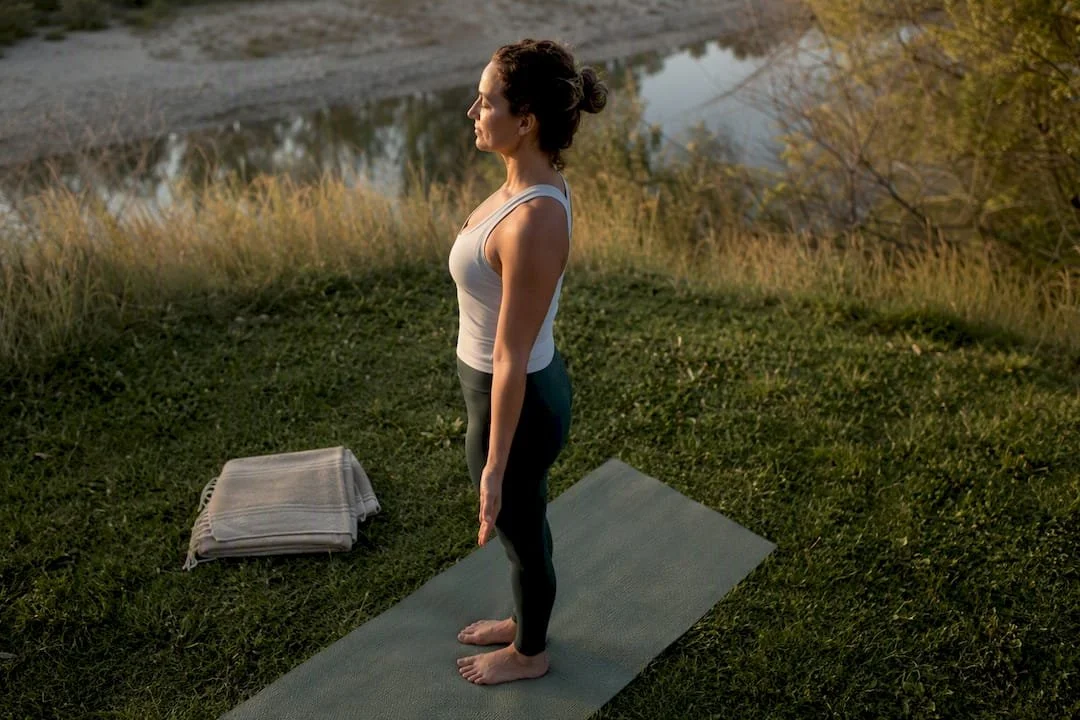
Mountain Pose (Tadasana)
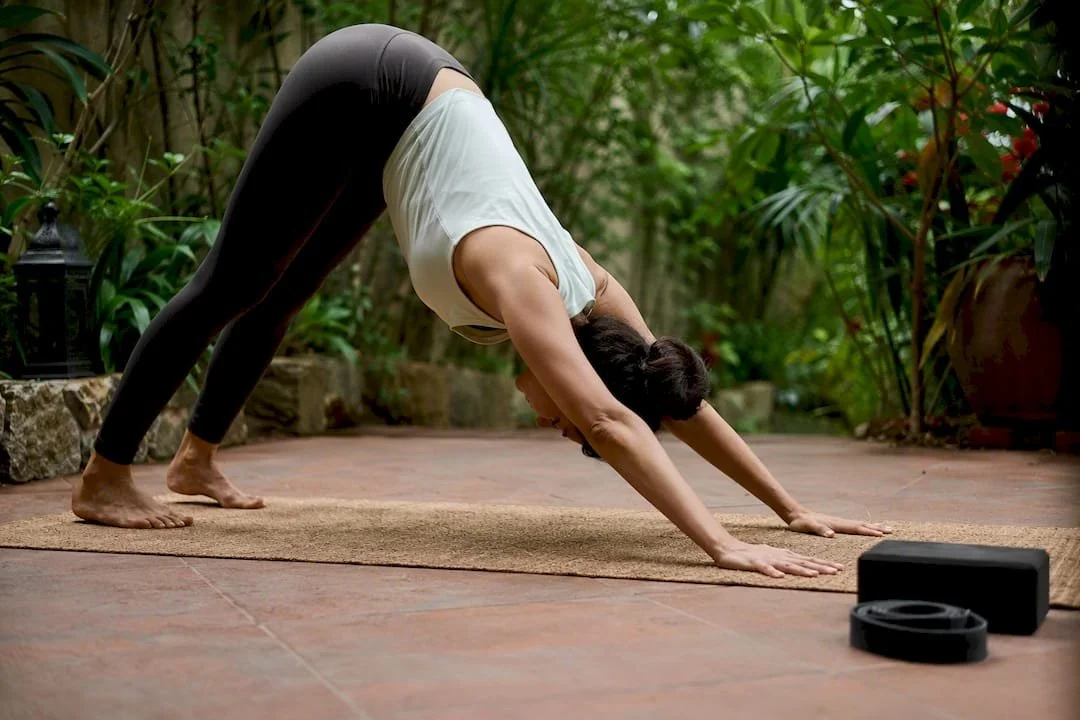
Downward-Facing Dog (Adho Mukha Svanasana)
Plank (Phalakasana)
Cobra (Bhujangasana)
Warrior I (Virabhadrasana I)
Warrior II (Virabhadrasana II)
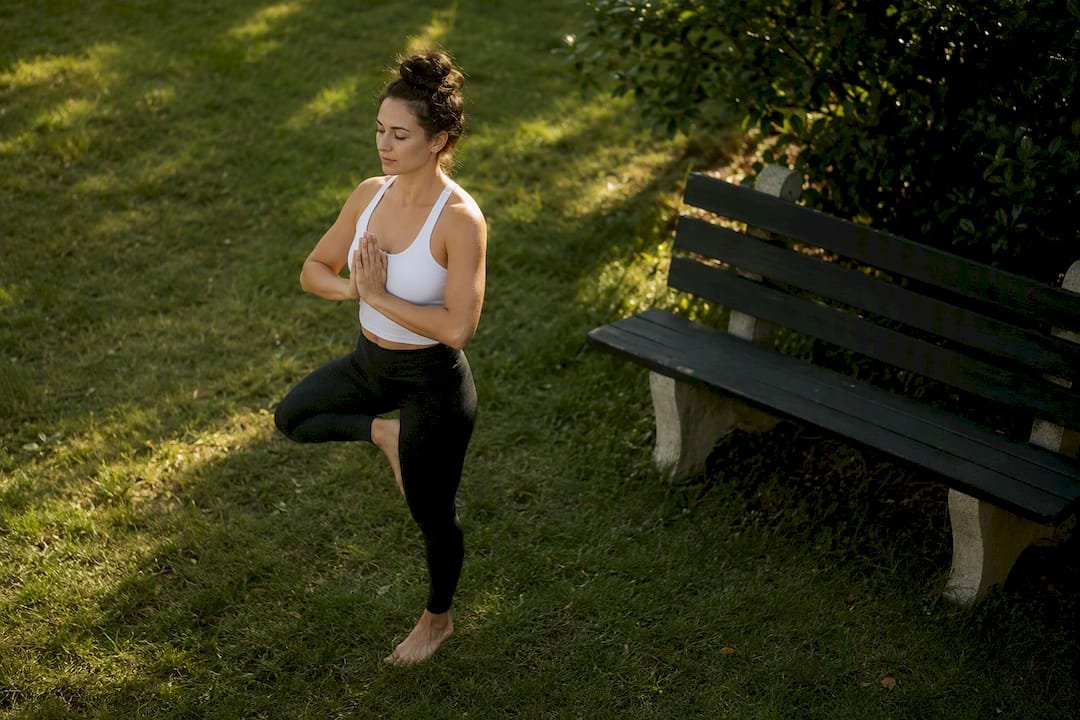
Tree Pose (Vrksasana)
Cat-Cow (Marjaryasana/Bitilasana)
Child's Pose (Balasana)
Seated Forward Fold (Paschimottanasana)
Bridge Pose (Setu Bandha Sarvangasana)
Corpse Pose (Savasana)
Ten to twenty minutes a day of these basic yoga poses builds flexibility, calms the nervous system, and improves balance faster than one long weekly session. Cleveland Clinic notes that short, consistent practice is what actually sticks for beginners. Start with a 5 to 10 minute routine and grow from there.
Key Takeaways
Learning ten to twelve foundational poses and practicing them for 10 to 20 minutes daily builds strength, balance, and calm faster than occasional long sessions.
| Point | Details |
|---|---|
| Learn the core poses | Mountain, Downward Dog, Plank, Cobra, Warriors I and II, Tree, Cat-Cow, Child's Pose, Forward Fold, Bridge, and Savasana cover a full beginner practice. |
| Practice short and often | Ten to twenty minutes daily builds a sustainable habit faster than one long weekly class. |
| Use props without hesitation | Blocks, straps, and blankets help you find safe alignment, not shortcuts around effort. |
| Hold poses by breath count | Aim for three to five breaths per pose and always close with a few minutes of Savasana. |
| Get in-person guidance | Amrita Yoga & Wellness offers beginner classes with props provided and instructors trained to cue modifications live. |
Table of Contents
How Do You Do the Basic Yoga Poses for Beginners?
Every pose below, or "asana" (the Sanskrit term for a physical posture), follows a simple sequence: set your base, engage your core, breathe, and hold. You don't need flexibility to start. You need a willingness to move slowly and pay attention to how your body feels.
1. Mountain Pose (Tadasana). Stand with feet hip-width apart, weight even across both feet. Engage your thighs, lengthen your spine, and let your arms rest at your sides or reach overhead. Hold for five breaths. This resets your posture and teaches the standing alignment every other pose builds on.
2. Downward-Facing Dog. From hands and knees, tuck your toes and lift your hips up and back, forming an inverted V. Keep a slight bend in the knees if your hamstrings feel tight. Press hands firmly into the mat and let your head hang. If your wrists ache, try a forearm variation. This pose stretches the whole back body and builds shoulder strength.
3. Plank Pose. Stretch back from a tabletop position until your body forms a straight line from head to heels. Keep hips level, not sagging or piking. Beginners can drop to the knees for a modified plank. It's a core and shoulder strengthener that also improves posture off the mat.
4. Cobra Pose. Lie on your belly, hands under your shoulders, and press up just enough to lift your chest while keeping your pelvis on the floor. Keep elbows slightly bent rather than locked. This gently opens the chest and strengthens the low back without the strain of a full backbend.
5. Warrior I. Step one foot back, bend the front knee over the ankle, and square your hips toward the front of the mat. Raise your arms overhead. Use a wide stance if balance feels shaky. This builds leg strength and hip mobility at once.
6. Warrior II. From Warrior I, open your hips and shoulders to the side, extending your arms parallel to the floor. Gaze past your front fingertips. It strengthens the legs while teaching you to stay grounded through your hips.
7. Tree Pose. Shift weight onto one foot and place the other sole against your ankle, calf, or inner thigh. Hands can rest at your heart or reach overhead. A wall or the back of a chair works as support while your balance develops. Tree pose sharpens balance and the mind-body awareness yoga calls proprioception.
8. Cat-Cow. On hands and knees, inhale as you drop your belly and lift your gaze for Cow, then exhale as you round your spine toward the ceiling for Cat. Move slowly, syncing each shift with your breath. This warms up the entire spine and is often used to open a practice.
9. Child's Pose. Kneel with big toes touching, knees wide or together, and fold forward with arms extended or resting alongside the body. A folded blanket under the knees or hips adds comfort. Cleveland Clinic recommends it as a rest position anytime during practice, not just at the end.
10. Seated Forward Fold. Sit with legs extended, inhale to lengthen your spine, then hinge forward from the hips. Bend your knees generously and loop a strap around your feet if you can't reach them. Overreaching for straight legs here is a common cause of lower back strain, so let the bend stay soft.
11. Bridge Pose. Lie on your back, feet flat near your hips, and press up through your feet to lift your hips toward the ceiling. Clasp your hands beneath you or keep them flat on the mat. This strengthens the glutes and counters hours of sitting.
12. Savasana (Corpse Pose). Lie flat, arms relaxed at your sides, palms up, and let your whole body go heavy. Stay for at least two to three minutes. It's the pose that lets your nervous system absorb the work you just did.
Pro Tip: If a pose asks for a "straight" leg or arm, aim for "long" instead. A soft bend in the knee or elbow protects the joint and rarely changes what the pose is training.
What's a Good 5 to 10 Minute Beginner Yoga Sequence?
Short sequences work because they're repeatable, and Yoga Journal points to breath-synced flows as one of the most practical entry points for new practitioners.
5-minute mini flow:
Mountain Pose, five slow breaths.
Cat-Cow, five rounds, inhaling for Cow and exhaling for Cat.
Downward-Facing Dog, hold five breaths.
Child's Pose, hold one minute.
Seated Forward Fold, hold five breaths, then rest on your back for one minute.
10 to 20 minute routine:
Mountain Pose, five breaths.
Cat-Cow, six rounds.
Downward-Facing Dog into Plank, three cycles, holding each for three breaths.
Cobra, three rounds, holding three breaths each.
Warrior I and Warrior II on each side, holding four breaths per pose.
Tree Pose on each side, holding five breaths.
Bridge Pose, three rounds, holding four breaths.
Seated Forward Fold, hold six breaths.
Savasana, three to five minutes.
Add one new pose or an extra round every week or two once the sequence feels manageable. Before you start, spend a minute just breathing to settle in. Afterward, always close with Savasana rather than jumping straight back into your day.
Pro Tip: Count your holds in breaths, not seconds. It keeps you present and stops you from rushing the pose to "get it over with."
What Safety Rules and Props Should Beginners Know?
Blocks, straps, blankets, and even a sturdy chair aren't training wheels you'll eventually outgrow. Cleveland Clinic frames them as accessibility tools that let you find correct alignment regardless of your current flexibility or strength.
Use a block under your hand in Warrior poses or forward folds if the floor feels too far away.
Loop a strap around your feet in a seated fold instead of straining to reach your toes.
Place a folded blanket under your knees in Cat-Cow or Child's Pose for joint comfort.
Hold a chair back during Tree Pose until your balance feels reliable without it.
Common mistakes include locking the knees or elbows, gripping the toes so hard the shoulders tense up, and holding the breath through a hard pose. Fix each by softening the joint, loosening the grip, and audibly exhaling. Hold most poses for three to five breaths, and aim for 10 to 20 minutes of practice daily. Yoga's popularity keeps climbing, with millions of U.S. adults practicing regularly, so you're picking up a habit with real staying power. Stop immediately and check with a physical therapist or doctor if you feel sharp pain, numbness, or dizziness.
Why Trust Amrita Yoga & Wellness for Beginner Guidance?
Amritayogawellness built its beginner programming around exactly the poses covered here, taught in-studio by certified instructors who specialize in helping first-timers find safe alignment. Classes include props at every mat, so nobody is left guessing how to modify a pose on the fly.
Drop-in beginner classes with hands-on cueing and modification options.
Workshops that slow down foundational poses for deeper practice.
Props (blocks, straps, bolsters) provided at every session.
Further reading on the studio's beginner pose guides and asana breakdowns for readers who want more detail before their first class.
What Should Beginners Actually Focus On?
Chasing a "perfect" pose is the wrong goal. Your joints, your breath rate, and how your body feels in the moment matter more than whether your triangle looks like the photo. Instructors call this a work-in rather than a workout, and it changes how you approach every pose.
Props aren't a sign you're doing it wrong. A block under your hand or a wall behind your foot in Tree Pose is what lets you build real strength safely. And consistency beats intensity every time: five honest minutes daily will outpace one grueling hour on a Sunday.
How Do You Start Practicing at Amrita Yoga & Wellness?
If you'd rather learn these basic yoga poses with a real instructor watching your alignment than from a screen, Amritayogawellness runs beginner-friendly classes across styles, from grounded Hatha-paced sessions to warmer, more dynamic hot yoga, with props stocked at every mat so no one has to muscle through a fold they're not ready for.
You won't be the only new face in the room. Classes are built to mix first-timers with regulars, and instructors cue modifications out loud so nobody has to ask. Beyond the mat, the studio also offers pilates, barre, tai chi, and massage therapy for anyone building a broader wellness routine. Check the current beginner class schedule and book your first session directly through Amrita Yoga & Wellness.
Frequently Asked Questions
What are the easiest yoga poses for beginners to start with? Mountain Pose, Child's Pose, and Cat-Cow are the gentlest entry points. They ask for no flexibility or balance and teach breath awareness right away.
How long should a beginner hold each yoga pose? Three to five breaths per pose is standard for most basic yoga poses. Restorative poses like Child's Pose or Savasana can be held for a minute or longer.
What does "vinyasa" mean in yoga? Vinyasa refers to linking breath with movement as you transition from one pose to the next, rather than holding poses in isolation.
Do I need yoga props as a beginner? Yes. Blocks, straps, and blankets help you reach safe alignment in poses like forward folds or Warrior poses, and most studios, including Amritayogawellness, provide them at every mat.
How often should beginners practice yoga? Ten to twenty minutes daily works better for building a habit than one long session per week, according to Cleveland Clinic.
When should a beginner stop a pose or seek professional advice? Stop immediately if you feel sharp pain, numbness, or dizziness, and check with a physical therapist or doctor before continuing, especially with prior joint or back injuries.