What Vinyasa Yoga Is: A Beginner's Guide
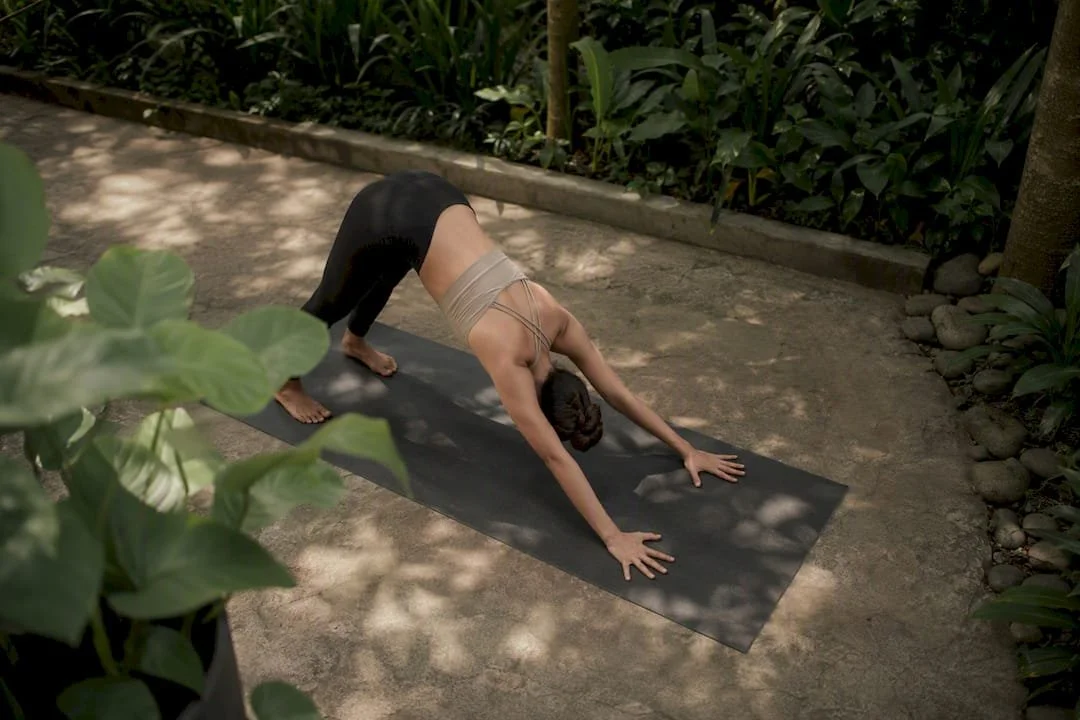
Vinyasa yoga is a breath-led, flowing style of modern yoga where one movement matches one breath, creating a continuous sequence often called "flow." The link between breath and movement is what separates it from styles built around long, static holds.
Here's what that means once you're on the mat:
What to expect: near-constant motion, frequent Sun Salutations, and transitions that connect one pose to the next without much pause.
Main benefits: strength and flexibility gains from repeated postures, plus stress regulation from the breath-focused pacing.
Heart rate: practice typically sits in a light-to-moderate aerobic zone, somewhere between a slow-paced style and a run.
Beginner signal: look for classes labeled "slow flow" or "vinyasa basics" rather than open-level or power classes.
At Amrita Yoga & Wellness, new students often ask what makes Vinyasa different from the yoga they tried years ago in a gym basement. The short answer: it moves, and it moves with your breath, threading poses like Chaturanga Dandasana into a continuous sequence rather than isolating them.
Key Takeaways
Vinyasa yoga links one breath to one movement, creating a flowing sequence that builds strength, mobility, and light-to-moderate aerobic conditioning while training focus through moving meditation.
| Point | Details |
|---|---|
| Core definition | Vinyasa pairs one movement with one inhale or exhale, unlike hold-based styles like Hatha. |
| Historical roots | Krishnamacharya developed breath-linked sequencing; Pattabhi Jois built Ashtanga from it in the 1930s. |
| Class shape | A standard 60-minute class moves through warm-up, Sun Salutations, standing flow, peak work, and savasana. |
| Safety first | Modify Chaturanga with knees down and skip vinyasas when tired to protect wrists, shoulders, and the low back. |
| Where to start | Amrita Yoga & Wellness offers slow flow and beginner-labeled Vinyasa classes in Philadelphia with drop-in options. |
Table of Contents
What Makes Vinyasa Style Yoga Different
The defining feature of vinyasa style yoga is breath-to-movement coupling. Teachers cue one movement per inhale or one movement per exhale, so your breath becomes the metronome for the entire practice, not an afterthought layered on top of the poses. That pairing does double duty: it paces the body and it gives the mind something steady to track, which is why so many practitioners describe Vinyasa as a moving form of meditation rather than a workout with breathing exercises attached.
Compare that to Hatha-style classes, where you settle into a pose and hold it for several breaths before moving on. Hatha rewards patience and stillness. Vinyasa rewards rhythm. Neither approach is better across the board, but if you get bored holding Warrior II for a minute and find your mind wandering, the constant motion of Vinyasa gives you less room to drift.
Within Vinyasa itself, intensity varies a lot depending on how a teacher builds the sequence. A slow flow might spend ten breaths easing into a standing pose. A power flow might chain three or four postures together before you catch your breath. Both get called "Vinyasa" on a studio schedule, which is exactly why reading the class description matters more than the label.
One term you'll hear constantly is "a vinyasa," used as a noun rather than a style name. It refers to a specific transition: Plank to Chaturanga Dandasana, then Urdhva Mukha Svanasana (Upward-Facing Dog), then Adho Mukha Svanasana (Downward-Facing Dog). Teachers will say "take a vinyasa" between poses, meaning run through that four-part sequence before moving to whatever comes next.
Breath and movement stay locked together, one action per inhale or exhale.
Hatha holds poses longer; Vinyasa keeps transitioning.
Pace ranges from slow and meditative to fast and demanding, even within the same style name.
"A vinyasa" is shorthand for the Plank, Chaturanga, Up Dog, Down Dog transition.
Pro Tip: If your shoulders or wrists start burning halfway through class, skip the vinyasa transitions entirely and rest in child's pose, or drop to your knees for Chaturanga. No teacher worth their training will think less of you for it, and your joints will thank you tomorrow.
Where Did Vinyasa Yoga Come From?
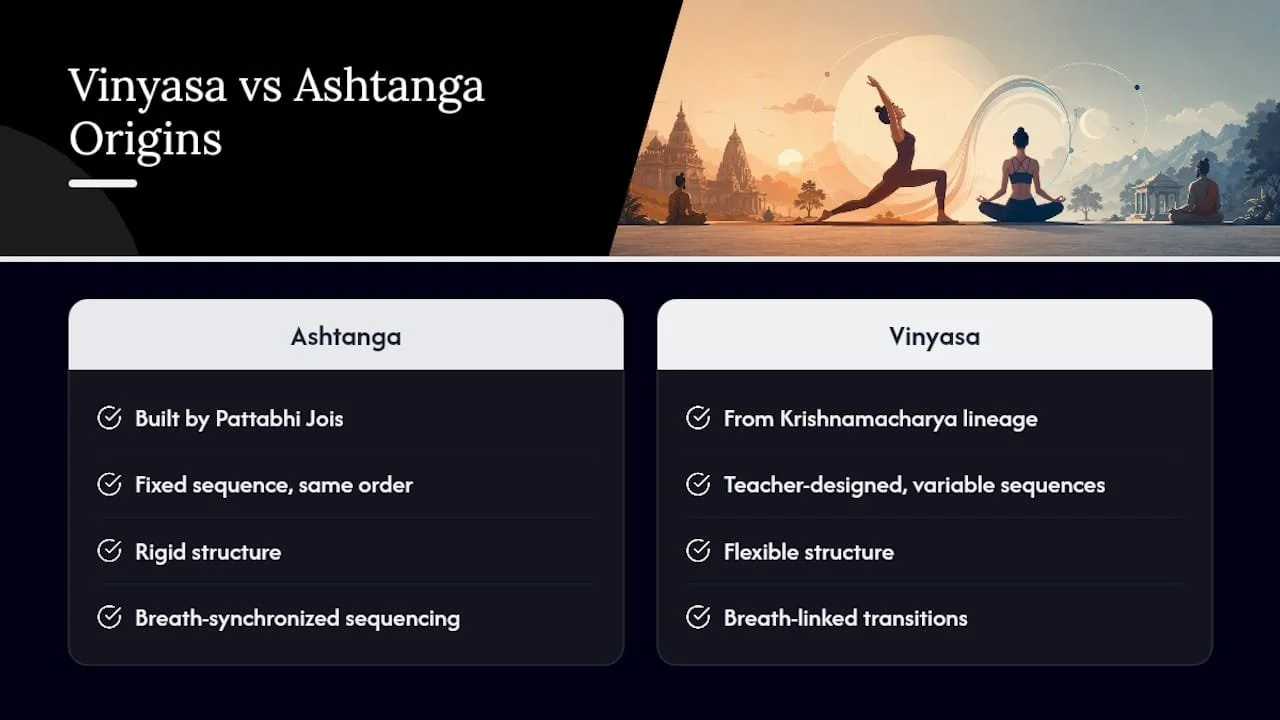
Vinyasa's roots trace back to Tirumalai Krishnamacharya, who developed breath-synchronized sequencing in southern India in the 1930s. One of his students, Pattabhi Jois, built on that foundation to create Ashtanga yoga, a system of fixed sequences performed in the same order every time. Modern Vinyasa grew out of that lineage but cut the cord to Ashtanga's rigid structure, letting teachers design their own sequences while keeping the breath-linked transitions at the core.
That branching explains a lot about why Vinyasa classes feel so different from studio to studio. Ashtanga gives you consistency: the same sequence, session after session. Vinyasa gives you variety, because the historical term itself carries two related meanings: one referring to the deliberate placement or sequencing of postures, and another describing the stages within a single asana as you move into and out of it.
Vinyasa, in its original Sanskrit sense, describes a sequence that is placed or arranged with intention. The word points to structure and stages, not to one fixed pose or one fixed class.
Krishnamacharya's influence didn't stop with Jois. Several other prominent yoga lineages, including styles developed decades later, cite him as a foundational figure, which is part of why his name still comes up in teacher trainings worldwide.
What Are the Main Styles of Vinyasa Yoga?
Once you start browsing class schedules, you'll run into half a dozen names that all fall under the Vinyasa umbrella but emphasize different things. Knowing the differences saves you from walking into a heated, hour-long power class when what you actually wanted was a gentle alignment-focused flow.
Vinyasa Flow: the general, teacher-designed version. Sequencing changes week to week, pace is moderate, and this is the most common entry point for beginners.
Ashtanga: the original fixed-sequence system from Pattabhi Jois. Same postures, same order, every class. Demanding and repetitive in the best way if you like structure.
Power Yoga: a fitness-driven descendant of Ashtanga, built for strength and cardio rather than tradition. Expect faster pacing and less alignment cueing.
Baptiste Yoga: developed by Baron Baptiste, a heated, athletic style that borrows Power Yoga's intensity but adds its own sequencing philosophy and personal-development framing.
Hot Vinyasa: any Vinyasa class taught in a heated room, usually 90 to 105 degrees Fahrenheit, which increases sweat and perceived intensity without necessarily changing the sequence itself.
Jivamukti Yoga: blends Vinyasa-style movement with chanting, scripture study, and ethical teachings; more spiritually oriented than a typical gym-adjacent flow class.
Prana Flow: a globally influenced style developed by Shiva Rea, known for musicality and fluid, dance-like transitions between poses.
PointDetailsVinyasa FlowBest general entry point, sequencing varies by teacher and class.AshtangaFixed sequence practiced in the same order every session.Power Yoga / BaptisteFaster, strength and cardio focused, often heated.Jivamukti / Prana FlowAdds spiritual or musical elements to the same breath-led structure.
If your goal is strength, look for Power or Baptiste. If you want alignment cues and a gentler pace, Vinyasa Flow or a slow flow class fits better. If meditation and philosophy interest you as much as the physical practice, Jivamukti is worth trying at least once.
What Does a Typical Vinyasa Class Look Like?
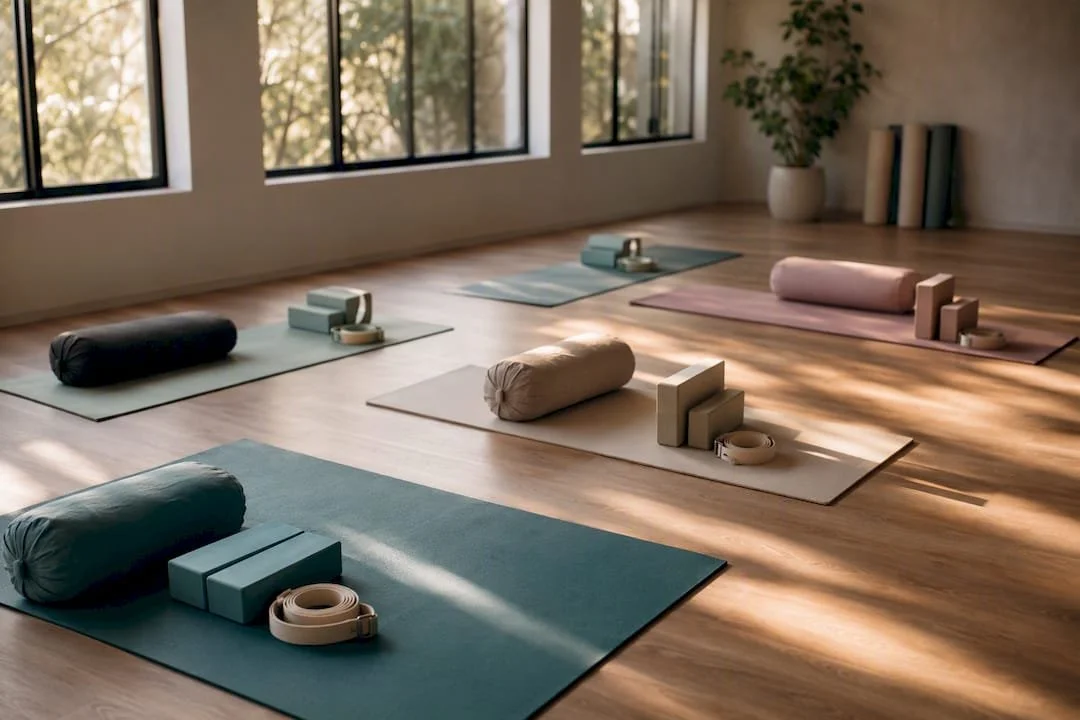
A standard 60-minute Vinyasa class follows a fairly predictable arc, even though the specific poses change from teacher to teacher. Here's the general shape you can expect:
0 to 10 minutes: Centering and warm-up. Seated breathing, gentle spinal movement, easing into the body.
10 to 20 minutes: Sun Salutations. Several rounds of Surya Namaskar build heat and rehearse the breath-to-movement pattern you'll use all class.
20 to 40 minutes: Standing flows. Balancing poses, lunges, and warrior variations, usually the longest and most varied segment.
40 to 50 minutes: Peak work. This is where the class builds toward its most challenging pose or sequence, often floor-based strength or backbend work.
50 to 60 minutes: Cooldown and savasana. Gentle stretching followed by several minutes lying still.
Teachers pace the room with cueing like "inhale to rise" or "exhale to fold," and breath counts help everyone move together even in a packed studio. You'll also hear "take a vinyasa" at transition points, your cue to run through the Plank, Chaturanga, Up Dog, Down Dog sequence or skip it if you need rest.
Before you show up, a few practical basics help:
Wear fitted, stretchy clothing; loose shirts flip over your head during inversions and forward folds.
Bring a water bottle and a towel, especially for hot Vinyasa.
Arrive 10 minutes early if it's your first class so you can grab a mat near the back and ask the teacher about modifications.
Common Vinyasa Poses and a Sequence to Try
A handful of poses show up in nearly every Vinyasa class, and learning them ahead of time makes your first session far less disorienting. Surya Namaskar (Sun Salutation) is the foundational sequence teachers return to again and again. Within it, you'll repeatedly hit Chaturanga Dandasana (a low push-up hold), Urdhva Mukha Svanasana (Upward-Facing Dog, a backbend with straight arms), and Adho Mukha Svanasana (Downward-Facing Dog, an inverted V shape that doubles as a resting pose).
Here's a simple, breath-linked sequence you can try at home to get a feel for the pattern before your first class:
Inhale, reach arms overhead from standing.
Exhale, fold forward, hands toward the floor.
Inhale, lift halfway, flat back, hands on shins.
Exhale, step or lower back to Plank.
Exhale, lower to the floor (skip Chaturanga entirely, or drop your knees down first).
Inhale, press up into Upward-Facing Dog, or a gentle Cobra with elbows bent if your back isn't ready for a full backbend.
Exhale, push back into Downward-Facing Dog and hold for five breaths.
Inhale, step forward, exhale fold, inhale rise back to standing.
Pro Tip: Skip Chaturanga altogether for your first few weeks. Lower all the way to the floor on your belly instead, then press up to Cobra. Your shoulders build the strength for a full Chaturanga faster when you're not forcing it before you're ready.
Move within a pain-free range throughout, and treat any sharp or pinching sensation as a stop sign rather than something to push through.
What Are the Real Benefits of Vinyasa Yoga?
The physical case for Vinyasa is straightforward: repeated Chaturangas and planks build upper-body and core strength over time, while the constant stretching and range-of-motion work in standing flows improves flexibility in the hips, hamstrings, and shoulders. Because the pace is more continuous than static styles, Vinyasa also pushes your heart rate into a light-to-moderate aerobic zone, somewhere between a slow walk and a jog. It builds real strength and mobility, though it's not a substitute for dedicated endurance training if your main goal is cardiovascular fitness.
The mental side gets less attention but matters just as much. Linking breath to movement produces what's often described as a moving meditation, an effect that helps many practitioners sustain focus and lower stress during practice. Academic reviews of yoga research back this up in broad strokes, showing short-term improvements in mood and stress markers, though study quality and outcomes vary enough that the evidence should be read as suggestive rather than definitive.
Builds strength through repeated bodyweight work like planks and Chaturanga.
Improves flexibility and joint range of motion across the hips, spine, and shoulders.
Raises heart rate into a light-to-moderate aerobic zone, more demanding than restorative styles.
Supports stress regulation through breath-paced, meditative movement.
None of this means Vinyasa replaces strength training or cardio work entirely. Think of it as a strong complement: a practice that builds functional strength, mobility, and a calmer nervous system, without needing a gym membership on top of it.
Who Should Be Careful With Vinyasa Yoga?
The most common injury sites in Vinyasa are wrists, shoulders, and the low back, usually from repeated Chaturanga with poor form, over-arching in backbends, or bearing weight incorrectly in Plank. None of these are reasons to avoid the practice; they're reasons to modify early rather than after something starts hurting.
Practical fixes go a long way: drop your knees for Chaturanga, skip vinyasas altogether when you're tired, choose a slow flow class over an open-level one while you're still learning alignment, and ask your teacher directly for cues if a pose feels off. Readers managing joint issues or looking into other low-impact modalities may also find it useful to check guidance on exercise contraindications before adding new equipment-based routines alongside their yoga practice.
If you're recovering from recent surgery, managing uncontrolled high blood pressure, or pregnant, talk to a clinician before starting and consider a gentler style until you get clearance for more dynamic movement.
Modifications aren't a downgrade. They're what let you build strength safely instead of powering through pain and losing weeks of practice to an avoidable injury.
How Should Beginners Start Practicing Vinyasa Yoga?
Start by searching class schedules for the words "slow flow," "vinyasa basics," or "level 1." Skip open-level or power classes for your first month; they move fast and assume you already know the pose names and transitions.
Book your first class as a slow flow or beginner-labeled session, not an open-level flow.
Aim for two to three classes a week for your first month to build familiarity without overtraining.
Arrive early and tell the teacher it's your first Vinyasa class, so they know to watch your form.
Use modifications freely for the first several sessions rather than chasing full expression of every pose.
Reassess after four weeks and consider a faster-paced class once the sequences feel familiar.
A realistic starter plan over two weeks looks like this: three slow flow classes in week one, focusing purely on learning the Sun Salutation pattern and breath cues, then three classes in week two, adding one moderate-paced flow if the first week felt manageable. It's completely normal for the first three or four sessions to feel confusing, like everyone else in the room got a memo you missed. They didn't. They just showed up a few more times than you have so far.
Don't compare your pace to the person next to you; sequencing familiarity comes with repetition, not talent.
Ask the teacher to demo a pose if a verbal cue doesn't click. Most will happily pause for a second.
Bring a notebook mentally: notice which cues confused you so you can ask about them after class.
Vinyasa Terms and Breath Cues You'll Hear in Class
Walking into your first class with a working vocabulary makes the whole experience less intimidating. Here's a quick glossary:
Vinyasa: breath-linked movement, both the general class style and the specific Plank to Chaturanga to Up Dog to Down Dog transition.
Flow: another word for a Vinyasa-style sequence, often used interchangeably with "vinyasa class."
Surya Namaskar (Sun Salutation): the repeated foundational sequence used to build heat early in class.
Chaturanga Dandasana: the low plank hold, often modified with knees down.
Urdhva Mukha Svanasana: Upward-Facing Dog, a backbend with straight arms and lifted thighs.
Adho Mukha Svanasana: Downward-Facing Dog, an inverted V used as both a pose and a resting position.
"Take a vinyasa": the teacher's cue to run the transition sequence between postures.
For breath cues, the basic rule holds throughout class: inhale to lift or lengthen, exhale to fold or lower. Teachers often count breaths aloud ("inhale, one, two, exhale, one, two") to help a full room stay synchronized. If you lose the count, don't panic; breathe at your own pace and rejoin the group rhythm whenever you catch up. Working with breath and attention training outside of class can also make these cues feel more familiar before you ever step on a mat.
What I Wish Every New Student Knew
Most beginners spend their first few classes trying to make their pose look like the person's on the next mat. That's backward. The breath is the actual practice; the shape of the pose is secondary and will improve on its own with repetition. Watch students who've been coming for a year, and the thing that stands out isn't how deep their backbend is, it's how unbothered they look moving through a tricky transition. That calm comes from breath control, not flexibility.
If you take one thing from your first month of Vinyasa, let it be this: match your breath to the cue, even if that means your Down Dog looks nothing like the demonstration. The rest sorts itself out with time on the mat.
Try Your First Vinyasa Class at Amrita Yoga & Wellness
Amrita Yoga & Wellness runs beginner-friendly Vinyasa classes in Philadelphia designed for exactly the questions this article just answered, so you walk in already knowing what "take a vinyasa" means instead of guessing.
An intro class typically runs for roughly an hour and follows the warm-up-to-savasana sequence outlined above, with modifications offered for wrists, shoulders, and lower backs. Here's what to know before booking:
Bring a mat if you have one, or use a studio mat for your first visit.
Wear fitted, stretchy clothing you can move in comfortably.
Drop-in options are available if you're not ready to commit to a membership yet.
Beginner and slow flow labels appear directly on the class schedule so you know what you're signing up for.
If a moving meditation with a spiritual edge sounds interesting alongside your physical practice, the studio also hosts tarot reading sessions worth exploring once you've settled into a regular yoga rhythm. Check the current class times and book your first slow flow session directly through the studio's schedule.
Frequently Asked Questions
What is vinyasa yoga exactly? Vinyasa yoga is a flowing, breath-linked style of modern yoga where one movement matches one inhale or exhale, creating continuous sequences rather than long, static holds.
What is a vinyasa flow class like for a total beginner? Expect nonstop movement, several rounds of Sun Salutations early on, and cues like "take a vinyasa" between poses. Slow flow and vinyasa basics classes pace this more gently than open-level ones.
Vinyasa vs Hatha yoga: what's the real difference? Hatha holds poses for several breaths at a time, emphasizing stillness. Vinyasa links poses into continuous motion paced by breath, making it generally more physically demanding.
How do I do vinyasa yoga safely as a beginner? Choose slow flow or level 1 classes, modify Chaturanga with knees down, skip vinyasa transitions when tired, and ask your teacher for alignment cues rather than guessing.
What are the main benefits of vinyasa yoga? Strength from repeated planks and Chaturangas, improved flexibility, a light-to-moderate aerobic workout, and stress reduction through breath-paced, meditative movement.