The Amrita Journal
Explore thoughtful stories, practical wellness guidance and inspiring ideas to support your movement, mindfulness and everyday wellbeing at Amrita.
Why Use Silks in Yoga: Benefits and Impact
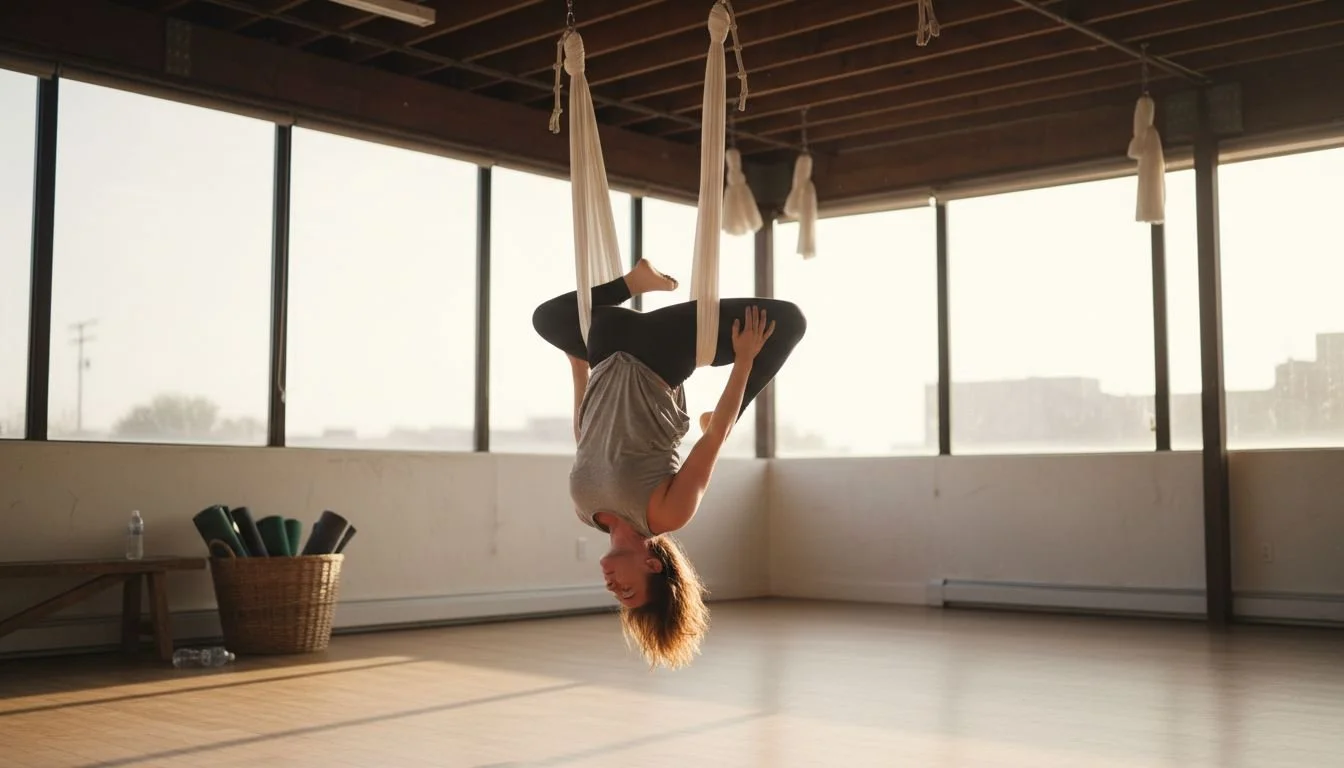
More American yoga studios are adding silk hammocks to their classes than ever before, offering a striking shift from traditional mat routines. This surge reflects a growing demand for practices that challenge balance and flexibility in creative new ways. With silk-based yoga, practitioners discover unique support for difficult poses and experience benefits that traditional styles rarely deliver. Whether you are curious about spinal decompression or simply want a playful addition to your fitness routine, exploring silk yoga opens up opportunities to move and feel better.
Table of Contents
Key Takeaways
| Point | Details |
|---|---|
| Introduction of Aerial Yoga | Aerial yoga utilizes suspended silk hammocks, enhancing traditional yoga with unique movements and body awareness. |
| Varieties of Aerial Yoga | Different styles like Fly Yoga, AeroYoga, and AIRreal Yoga cater to diverse fitness levels and therapeutic needs. |
| Physical and Mental Benefits | Silky yoga promotes improved flexibility, core strength, and mental resilience, leading to a more playful approach to movement. |
| Safety Precautions | Practicing with certified instructors and adhering to safety guidelines is essential for a safe aerial yoga experience. |
What Are Silks in Yoga Practice?
Silks in yoga represent a transformative approach to traditional practice, introducing suspended fabric apparatuses that radically reimagine movement and body awareness. Aerial yoga combines traditional asana with aerial arts, utilizing soft silk fabrics suspended from overhead supports to create a dynamic and supportive environment for practitioners.
These specialized silk hammocks are meticulously designed to support practitioners' body weight while enabling unique movements impossible on a standard yoga mat. Unlike traditional ground-based practices, aerial yoga silks allow practitioners to explore positions that decompress the spine, challenge balance, and provide unprecedented support during challenging poses. The hammock acts like a swing supporting the hips during forward bends and backbends, making complex yoga postures more accessible and engaging.
The key components of yoga silks include:
Durable fabric construction
Adjustable suspension points
Weight-bearing capacity designed for human support
Soft, flexible material allowing full range of motion
By integrating silk apparatuses, yoga practitioners can experience enhanced flexibility, reduced joint pressure, and a playful approach to traditional yoga practices. The silk allows practitioners to explore inverted positions, deep stretches, and therapeutic movements with increased confidence and reduced physical strain.
Types of Aerial Yoga and Their Differences
Aerial yoga encompasses several distinct styles, each with unique approaches and philosophical foundations. Developed initially by Michelle Dortignac in 2006, the practice has since evolved into multiple specialized variations that cater to different fitness levels and therapeutic needs.
Key variations of aerial yoga include:
Fly Yoga: Developed in France by Florie Ravinet, this style emphasizes collaboration with physical therapists and focuses on health-professional-approved techniques
AeroYoga: Created by Rafael Martinez, offering a dynamic approach to suspended yoga practices
AIReal Yoga: Founded by Carmen Curtis, providing a structured methodology for aerial movement
Aerial yoga practices enhance traditional yoga by using hammocks for support, alignment, and deeper stretching. These variations share common goals of improving flexibility, promoting deep relaxation, and preventing potential injuries. Practitioners can modify classic poses like downward dog, warrior positions, and seated stretches using the supportive hammock apparatus.
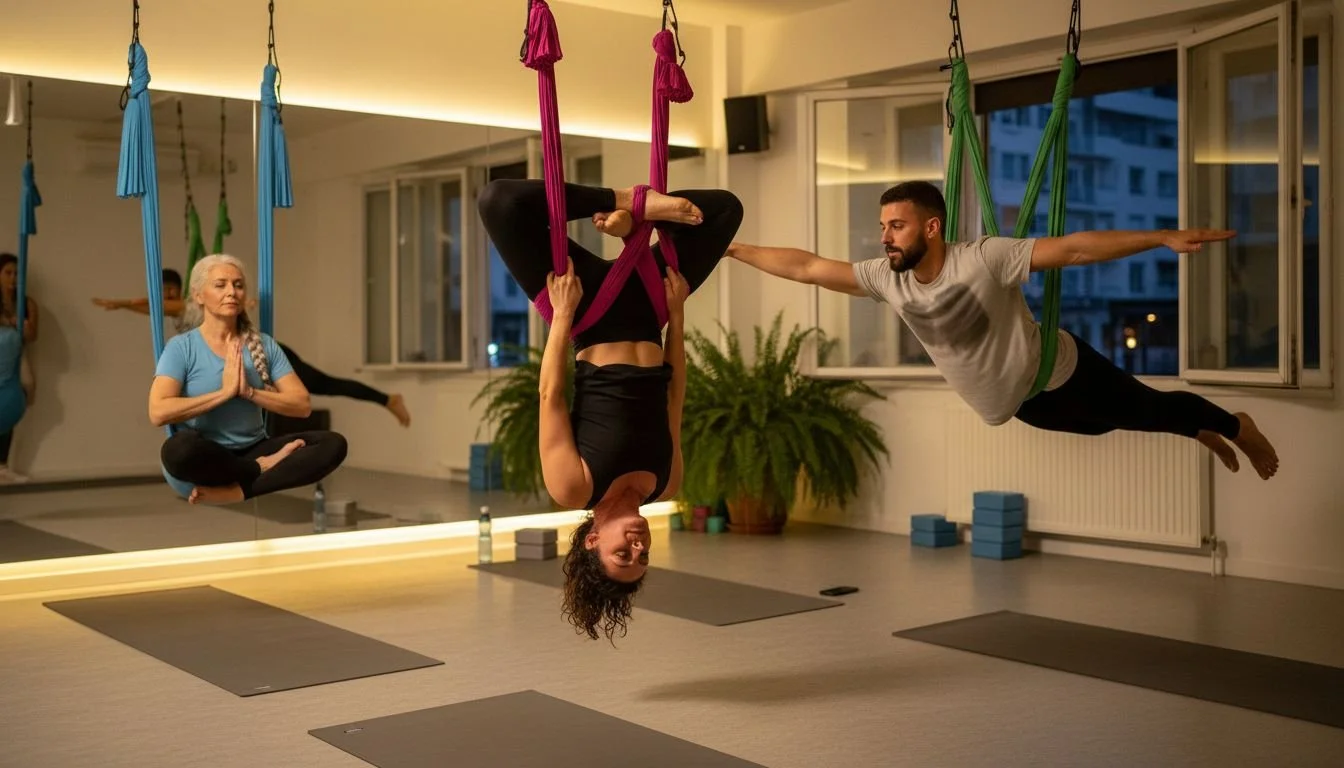
Each aerial yoga style brings unique therapeutic benefits, allowing practitioners to experience gentle inversions, spinal decompression, and innovative movement patterns that traditional mat-based yoga cannot provide. The diversity of approaches ensures that individuals can find an aerial yoga style matching their fitness level, physical condition, and personal wellness objectives.
Physical and Mental Benefits of Silk Yoga
Silk yoga offers a transformative approach to physical and mental wellness, providing practitioners with unique therapeutic advantages. A 2019 study revealed that aerial athletes demonstrate exceptional flexibility, stability, and strength, highlighting the profound physiological impact of this innovative practice.
Key physical benefits include:
Joint Decompression: Inverting in silk hammocks helps relieve gravitational pressure on joints
Core Strength Development: Requires intense muscle engagement for balance and control
Spine Alignment: Supports natural spinal positioning and reduces compression
Cardiovascular Health: Research indicates potential reduction in heart disease risk factors
Aerial yoga creates healing opportunities through supported inversions, awakening practitioners' inner sense of playfulness and exploration. The silk hammock allows practitioners to experience poses from entirely new perspectives, challenging both physical capabilities and mental resilience. By suspending the body and eliminating traditional ground-based limitations, silk yoga encourages practitioners to push beyond perceived physical and psychological boundaries.
Beyond physical transformation, silk yoga delivers profound mental wellness benefits. The practice demands complete present-moment awareness, creating a meditative state where concentration and balance intersect. Practitioners often report reduced stress, increased emotional flexibility, and a renewed sense of childlike wonder as they literally and metaphorically rise above their typical movement patterns.
Essential Safety Guidelines and Precautions
Silk yoga requires careful attention to safety protocols to ensure a positive and injury-free experience. Practitioners must prioritize working with certified instructors in properly equipped practice spaces, understanding that professional guidance is crucial for safe aerial exploration.
Key safety considerations include:
Physical Assessment: Consult healthcare professionals before beginning practice, especially for individuals with:
Prior back or neck injuries
Recent surgical procedures
Cardiovascular conditions
Pregnancy
Balance or vertigo disorders
Equipment Inspection: Verify silk hammock integrity before each session
Weight Limitations: Confirm maximum weight capacity of aerial equipment
Proper Clothing: Wear form-fitting, non-slippery attire without zippers or loose elements
Beginners should start with foundational classes that emphasize proper technique and gradual skill development. Instructors recommend starting close to the ground, using spotters when attempting challenging poses, and listening carefully to body signals. Maintaining consistent communication with your instructor about physical limitations or discomfort is essential for preventing potential injuries.
Mental preparation is equally important in silk yoga safety. Practitioners should approach the practice with patience, understanding that mastery requires time and consistent practice. Developing a mindset of curiosity rather than competition helps prevent reckless movements and promotes a holistic, mindful approach to aerial exploration.
Comparing Silk Yoga to Traditional Yoga
Silk yoga represents a revolutionary approach to traditional yoga practices, introducing dynamic movement and support that fundamentally transforms physical engagement. The silk apparatus allows practitioners to modify classic poses by providing unique support and alignment opportunities, creating an entirely new dimension of bodily exploration.
Key differences between silk and traditional yoga include:
Movement Mechanics:
Traditional Yoga: Ground-based, gravity-dependent movements
Silk Yoga: Suspended, gravity-defying positions
Physical Support:
Traditional Yoga: Self-supported body weight
Silk Yoga: Hammock-assisted postures
Intensity Levels:
Traditional Yoga: Consistent ground contact
Silk Yoga: Variable resistance and challenge
Aerial yoga enhances traditional practices by offering deeper stretching, improved flexibility, and therapeutic benefits, allowing practitioners to experience poses from completely new perspectives. Familiar movements like downward dog, warrior poses, and seated stretches transform when performed with silk support, providing gentler joint interactions and increased range of motion.
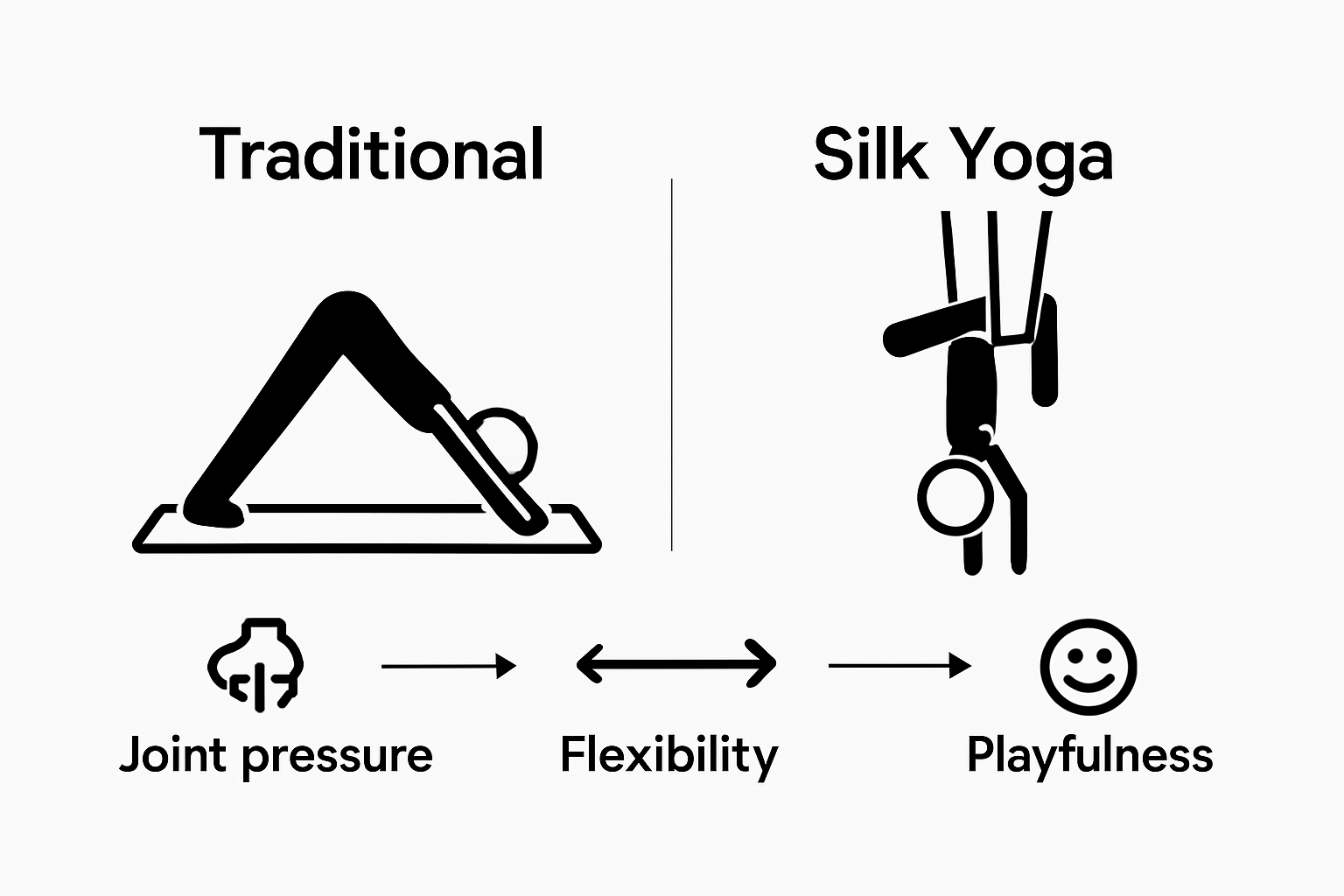
While traditional yoga emphasizes grounded, earth-connected movements, silk yoga introduces an element of playful exploration. The suspended practice challenges practitioners' balance, core strength, and mental adaptability, creating a more dynamic and engaging workout that maintains the philosophical and meditative essence of traditional yoga practices.
Experience the Transformative Power of Silk Yoga at Amrita Yoga & Wellness
Discover how silk yoga can revolutionize your practice by enhancing flexibility, supporting spinal alignment, and unlocking new levels of strength and balance. If you are seeking a way to deepen your yoga journey while enjoying the mental wellness benefits of mindful aerial movement, our studio offers expert guidance in a safe, welcoming environment. Embrace the challenge of suspending your body and mind into a fresh practice that relieves joint pressure and fosters emotional flexibility.
Take the next step toward holistic well-being by exploring silk yoga and other dynamic classes at Amrita Yoga & Wellness. Whether you are a beginner or aiming to advance your practice, our diverse workshops and supportive community will help you harness these profound benefits. Visit our class schedule today to reserve your spot and transform the way you move and feel.
Frequently Asked Questions
What are the benefits of using silks in yoga?
Using silks in yoga offers benefits such as enhanced flexibility, reduced joint pressure, and the ability to explore inverted positions and deep stretches. The supportive nature of the silk hammocks allows for unique movements that decompress the spine and challenge balance.
How is silk yoga different from traditional yoga?
Silk yoga differs from traditional yoga in that it incorporates suspended, gravity-defying positions supported by silk hammocks. This allows for greater assistance in poses, deeper stretching, and a playful exploration of movement that traditional ground-based yoga may not provide.
Are there any safety precautions to consider when practicing silk yoga?
Yes, safety precautions include consulting with healthcare professionals if there are pre-existing conditions, checking the integrity of the silk hammock before use, adhering to weight limits, and wearing appropriate clothing. It's also important to communicate any discomfort with the instructor and to start with foundational classes.
What types of aerial yoga styles utilize silks?
Several types of aerial yoga styles utilize silks, including Fly Yoga, AeroYoga, and AIReal Yoga. Each style offers unique approaches and therapeutic benefits, allowing individuals to find a practice that suits their fitness level and wellness goals.