Contact Us

Want to send us a quick message? Use the form on the right to contact us and we'll be in touch within 2 business days!

Please contact Audrey at info@amritayogawellness.com for general inquiries, software issues, in-studio and out-of-studio events and workshops, marketing, and community outreach and donations.

Please contact Heather at heather@amritayogawellness.com for private events, private yoga/pilates requests, and trainings.

1204 Frankford Avenue
North Philadelphia, PA, 19125
United States

(267) 928 3176

Amrita Yoga & Wellness offers a variety of Yoga traditions, Pilates Mat, Pilates Group Reformer, Tai Chi, and Massage services in a beautiful space. Our studio is located in Philadelphia, Pennsylvania.

Blog

7 Examples of Mindfulness Practices for Better Health

Heather Rice
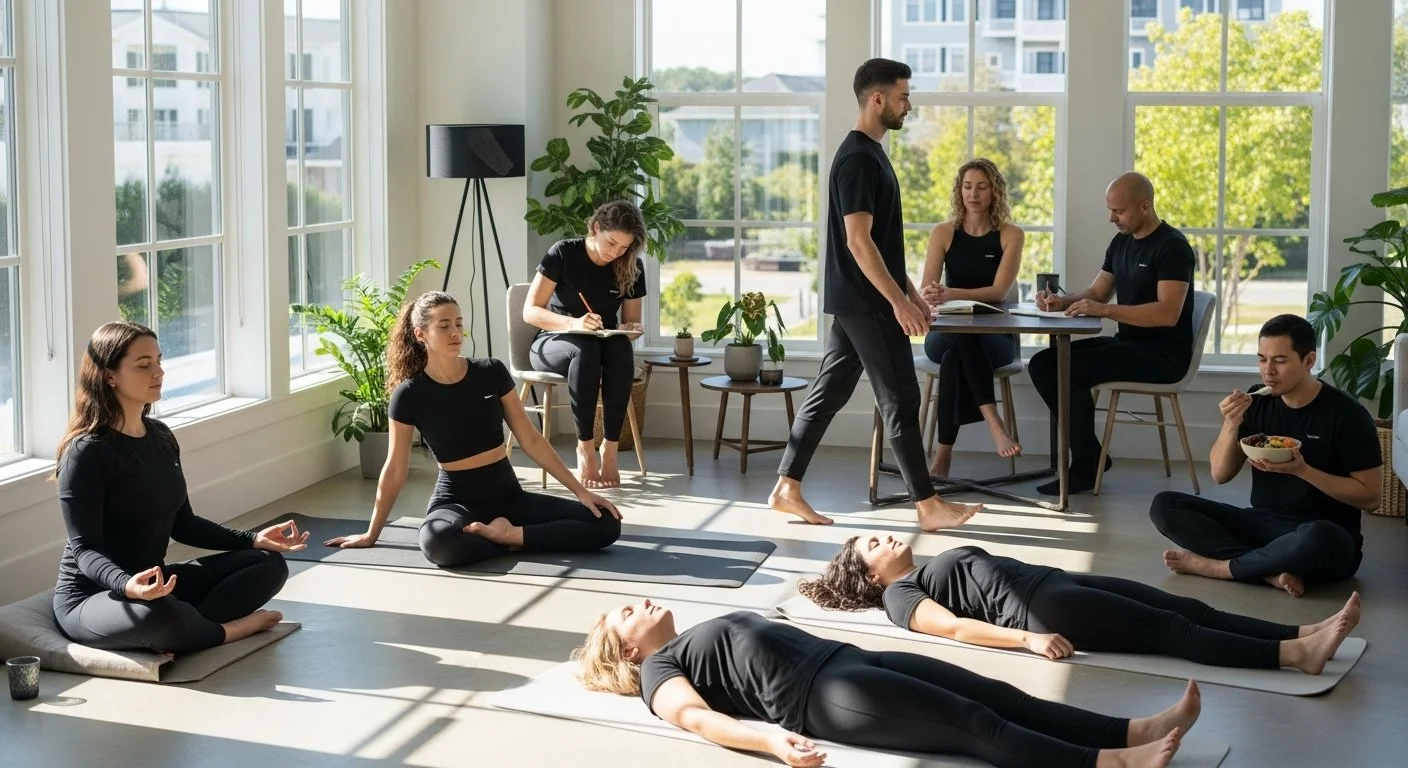
Mindfulness is everywhere right now, promising a calmer mind and better health for anyone willing to give it a try. People who practice it have seen significantly reduced emotional reactivity and improved focus according to top university research. Here’s what most don’t expect—mindfulness is not just some mysterious practice or exclusive to yogis. It works for anyone and can be as simple as remembering to notice your breath for just a few minutes a day.

Table of Contents

Quick Summary

TakeawayExplanationPractice mindfulness dailyIncorporate mindfulness into everyday tasks for continuous awareness and stress reduction.Use breathing exercisesEngage in controlled breathing for immediate relief from anxiety and stress.Explore guided meditationTry guided sessions to ease into mindfulness, enhancing emotional regulation and focus.Adopt mindful walkingTransform walking into a meditation practice, promoting present-moment awareness and physical engagement.Journaling enhances self-reflectionRegular journaling can promote emotional understanding and clarity in personal growth.

1: Introduction to Mindfulness Practices

Mindfulness represents a powerful approach to cultivating mental and physical well-being by training individuals to be fully present and engaged in the current moment. Unlike traditional meditation practices that might seem abstract, mindfulness offers practical techniques for managing stress, enhancing emotional regulation, and improving overall health.

According to University of California, Berkeley, mindfulness practices can provide significant benefits, including:

  • Reduced emotional reactivity

  • Enhanced cognitive flexibility

  • Improved focus and concentration

  • Decreased stress and rumination

At its core, mindfulness is about developing awareness without judgment. This means observing thoughts, feelings, and bodily sensations as they arise, without getting caught up in their narrative or trying to change them immediately. For individuals seeking holistic health approaches, mindfulness offers a scientifically supported method to reconnect with oneself and manage life's challenges more effectively.

Practitioners can explore various mindfulness techniques, ranging from structured meditation to simple breathing exercises. These practices are accessible to everyone, regardless of age, physical condition, or prior experience. Learn more about our beginner-friendly yoga classes that incorporate mindfulness principles.

By integrating mindfulness into daily life, individuals can cultivate a more balanced, present, and resilient approach to personal wellness. The following sections will explore specific examples of mindfulness practices that can transform your mental and physical health.

2: Breathing Exercises to Calm Your Mind

Breathing exercises represent a powerful and accessible mindfulness technique that can transform your mental state and physiological response to stress. Controlled breathing acts as a direct intervention for calming the nervous system, offering immediate relief from anxiety and emotional turbulence.

According to Harvard Medical School, breathing techniques activate the body's natural relaxation response, effectively reducing stress markers and promoting mental clarity. These practices work by engaging the parasympathetic nervous system, which counteracts the fight-or-flight response.

Some fundamental breathing techniques include:

  • Diaphragmatic Breathing: Involves deep inhales that expand the belly, promoting full oxygen exchange

  • Box Breathing: Utilizes equal counts of inhaling, holding, exhaling, and pausing to create rhythmic balance

  • 4-7-8 Technique: Structured breathing pattern that helps regulate emotional responses

Practitioners can integrate these techniques into daily routines with minimal time investment. Just 5-10 minutes of intentional breathing can significantly reduce stress levels and improve overall mental well-being. The key is consistency and gentle practice, allowing yourself to develop a natural rhythm without judgment.

Breathing exercises are particularly beneficial for individuals experiencing:

  • Chronic stress

  • Anxiety disorders

  • Sleep disruptions

  • Difficulty concentrating

By cultivating awareness of breath, you create a powerful tool for self-regulation. Learn more about our mindful movement classes that incorporate breathing techniques for holistic wellness. Remember, your breath is always available as an anchor to the present moment, offering a pathway to inner calm and resilience.

3: Guided Meditation Techniques for Beginners

Guided meditation offers an accessible entry point for individuals new to mindfulness practices, providing structured support and gentle instruction through the meditation process. Unlike traditional silent meditation, guided techniques help practitioners navigate their inner landscape with professional guidance, making the experience less intimidating and more approachable.

According to Johns Hopkins Mindfulness Program, guided meditations can significantly reduce stress and enhance emotional regulation by teaching individuals how to observe thoughts without judgment.

Beginners can explore various guided meditation approaches:

  • Body Scan Meditation: Systematically directing attention through different body parts

  • Loving-Kindness Meditation: Cultivating compassion towards self and others

  • Focused Attention Meditation: Concentrating on a specific object or breath

Effective guided meditation techniques typically involve creating a comfortable environment and setting realistic expectations. Practitioners should start with short sessions, typically 5-10 minutes, and gradually increase duration as comfort and skill develop. Many find it helpful to use audio recordings or smartphone applications that provide structured guidance.

Benefits of guided meditation for beginners include:

  • Reduced anxiety and stress

  • Improved emotional awareness

  • Enhanced concentration

  • Better sleep quality

Learn more about our mindful movement classes that incorporate meditation techniques for holistic wellness. The key is consistent practice and approaching the experience with an open, non-judgmental mindset. Every meditation session is an opportunity for personal growth and self-discovery.

4: Mindful Walking: A Simple Daily Practice

Mindful walking transforms an ordinary daily activity into a powerful meditation practice, offering a unique opportunity to cultivate present-moment awareness while moving through physical space. Unlike seated meditation, walking meditation allows practitioners to integrate mindfulness directly into movement, making it an accessible and practical approach to mental wellness.

The practice involves deliberately paying attention to the physical experience of walking, breaking down each step into its fundamental components. Practitioners focus on the sensations of movement - the lifting of the foot, the transfer of weight, the contact with the ground, and the subtle shifts in balance.

Key elements of mindful walking include:

  • Full body awareness: Observing physical sensations without judgment

  • Breath synchronization: Matching breathing rhythm with walking pace

  • Intentional movement: Slowing down and moving with purpose

Research suggests that mindful walking can provide significant mental and physical benefits. By engaging both body and mind, this practice helps reduce stress, improve concentration, and enhance overall emotional regulation. The rhythmic nature of walking creates a natural meditation environment, allowing practitioners to anchor their attention in the present moment.

Practitioners can integrate mindful walking into various settings:

  • Urban environments with sidewalks

  • Nature trails and parks

  • Indoor spaces with consistent walking paths

  • Workplace corridors during breaks

Explore our yoga and movement classes that can complement and enhance your mindful walking practice. Start with short 5-10 minute sessions, gradually increasing duration as comfort and skill develop. The goal is not perfection, but consistent, gentle awareness of your embodied experience.

5: Body Scan Method for Stress Relief

Body scan meditation represents a powerful mindfulness technique that systematically guides practitioners through a detailed exploration of bodily sensations, promoting deep relaxation and stress reduction. This method involves deliberately directing attention through different body regions, observing physical sensations without attempting to change or judge them.

According to Evidence-Based Complementary and Alternative Medicine, body scan meditation has demonstrated significant potential in reducing psychological distress and enhancing overall emotional well-being. The practice helps individuals develop a heightened awareness of physical and emotional states, creating a pathway to better stress management.

Key components of an effective body scan practice include:

  • Systematic attention: Moving awareness progressively through body regions

  • Non-judgmental observation: Experiencing sensations without criticism

  • Gentle breathing: Maintaining relaxed, natural respiratory rhythm

The technique typically begins by finding a comfortable position, either lying down or seated, and then methodically shifting attention from toes to head. Practitioners learn to notice subtle sensations like tension, warmth, tingling, or pressure without becoming attached to them.

Potential benefits for regular practitioners include:

  • Reduced muscle tension

  • Improved emotional regulation

  • Enhanced mind-body connection

  • Decreased anxiety levels

Explore our mindful movement classes that incorporate body scan techniques for holistic wellness. Beginners should start with short 5-10 minute sessions, gradually increasing duration as comfort and skill develop. The goal is not perfection, but consistent, compassionate self-awareness.

6: Journaling for Self-Reflection and Growth

Journaling emerges as a powerful mindfulness practice that transforms internal experiences into tangible reflections, offering a structured pathway for personal growth and emotional understanding. This practice goes beyond simply recording daily events, serving as a profound tool for self-discovery and psychological processing.

Research demonstrates that consistent journaling can provide significant mental health benefits. Sage Journals indicates that this practice helps manage depression, anxiety, and stress while enhancing overall emotional well-being.

Effective journaling techniques include:

  • Stream of consciousness writing: Allowing thoughts to flow without censorship

  • Gratitude logging: Documenting daily moments of appreciation

  • Emotional tracking: Identifying and exploring complex feelings

Mindful journaling involves approaching writing with intentional awareness, creating a non-judgmental space for exploring inner experiences. Practitioners learn to observe their thoughts and emotions as transient experiences rather than absolute truths.

Benefits of regular journaling practice encompass:

  • Improved emotional intelligence

  • Enhanced self-awareness

  • Reduced stress and anxiety

  • Clearer personal insights

Explore our mindful movement classes that can complement your journaling practice. Start with short 10-15 minute sessions, using prompts or free writing to begin. The goal is consistent self-exploration, not perfect prose. Your journal becomes a compassionate companion in your mindfulness journey, offering a safe space for genuine self-reflection.

7: Integrating Mindfulness in Everyday Activities

Mindfulness transcends formal meditation practices, extending into every moment of daily life. By transforming routine activities into opportunities for present-moment awareness, individuals can cultivate a deeper sense of connection and reduce stress without requiring additional time or complex techniques.

According to Journal of American College Health, integrating mindfulness into daily movements can significantly improve self-regulatory abilities, mood, and overall well-being. The key is intentional, non-judgmental awareness during ordinary tasks.

Practical strategies for everyday mindfulness include:

  • Mindful eating: Paying full attention to taste, texture, and sensations while consuming meals

  • Conscious commuting: Using travel time for breath awareness and present-moment observation

  • Technology pauses: Creating deliberate breaks from digital stimulation

Mindfulness can be seamlessly woven into various daily activities, transforming mundane experiences into moments of genuine presence. Simple practices like washing dishes, brushing teeth, or waiting in line become opportunities for mental training and stress reduction.

Benefits of integrating mindfulness into everyday life include:

  • Enhanced emotional regulation

  • Reduced stress and anxiety

  • Improved focus and concentration

  • Greater overall life satisfaction

Learn more about our mindful movement classes that can help you develop skills for continuous mindful living. Start small, be patient with yourself, and remember that mindfulness is a skill developed through consistent, gentle practice. Every moment offers a fresh opportunity to return to awareness.

Below is a comprehensive table summarizing the key mindfulness practices, their core steps, and main benefits as described in this article.

Mindfulness PracticeWhat It InvolvesMain BenefitsBreathing ExercisesIntentional, controlled breathing techniques (diaphragmatic, box, 4-7-8); 5-10 mins/dayReduces stress, calms anxiety, improves focus, supports relaxationGuided MeditationUsing audio, apps, or instructor for structured mindfulness sessions (body scan, loving-kindness, focused attention)Reduces emotional reactivity, improves concentration, supports better sleepMindful WalkingPaying attention to walking motions, body sensations, and breath synchronizationEnhances present-moment awareness, reduces stress, increases mind-body connectionBody Scan MeditationFocusing attention sequentially through body regions, observing sensations non-judgmentallyRelieves muscle tension, decreases anxiety, boosts emotional awarenessJournalingReflective writing, gratitude logging, emotional tracking for 10-15 mins, with intentional awarenessPromotes self-reflection, emotional clarity, lowers stress and anxietyEveryday Mindfulness IntegrationBringing non-judgmental awareness to daily tasks (eating, commuting, technology use)Improves mood, boosts focus, fosters emotional regulation in daily lifeGeneral Mindfulness ApproachPracticing present-moment, non-judgmental awareness with consistency and compassionOverall better mental and physical well-being, resilience, life satisfaction

Transform Your Mindfulness Journey With Personalized Support at Amrita Yoga & Wellness

Are you looking to break free from stress, anxiety, and the constant distraction of daily life? This article highlights how practices like controlled breathing, guided meditation, and mindful movement can improve your mental and physical health. Many people struggle to stay consistent or feel isolated when trying new mindfulness techniques on their own. At Amrita Yoga & Wellness, we provide a supportive community and expert guidance to turn your mindfulness goals into lasting habits. Our classes and workshops are designed for all experience levels and offer a welcoming space to practice breathing exercises, movement, and meditation in real time.

Ready to make these powerful changes stick? Join our community in Philadelphia and experience the benefits of live instruction, group energy, and hands-on support. Start your journey by exploring our class schedule and descriptions or discover everything we offer at Amrita Yoga & Wellness. Take the first step towards better health and peace of mind—sign up for a class today and see how mindfulness can transform your daily life.

Frequently Asked Questions

What are mindfulness practices?

Mindfulness practices are techniques that promote present-moment awareness, helping individuals manage stress, enhance emotional regulation, and improve overall well-being.

How can breathing exercises help reduce stress?

Breathing exercises activate the body's natural relaxation response, helping to calm the nervous system and reduce stress markers through controlled and intentional breathing patterns.

What are the benefits of guided meditation for beginners?

Guided meditation can significantly reduce stress, improve emotional awareness, enhance concentration, and promote better sleep quality, making it an excellent starting point for those new to mindfulness.

How can I integrate mindfulness into my daily activities?

You can integrate mindfulness by practicing mindful eating, being aware during daily commutes, and creating technology pauses, allowing you to cultivate present-moment awareness during routine tasks.
Recommended

7 Reasons Why Combine Yoga and Pilates for Wellness

Heather Rice

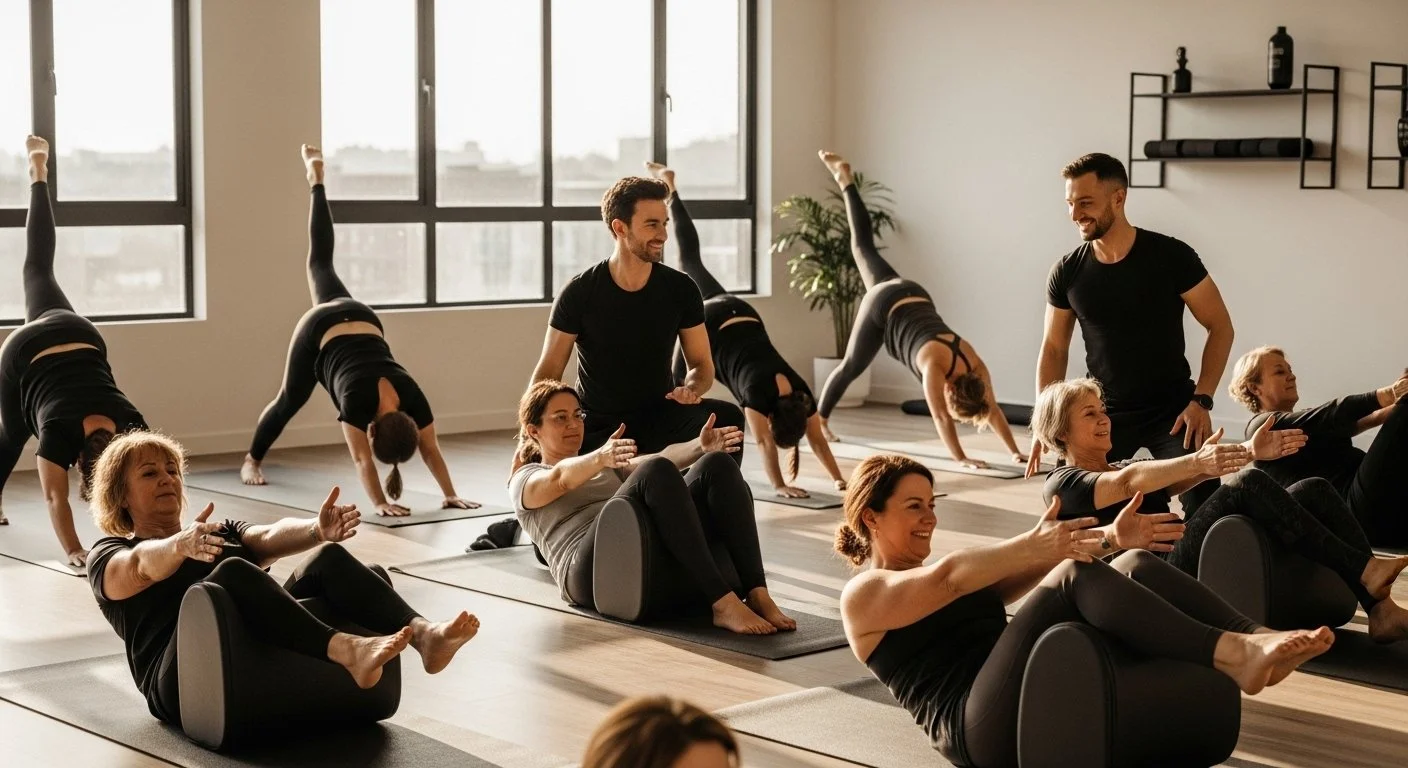
Yoga and Pilates are favorites for people chasing strength, flexibility, and stress relief. You might think they belong in separate corners of the wellness world. Yet, when combined, these seemingly different practices can unlock benefits that go far beyond what either can offer alone—study data shows that integrating yoga and Pilates can significantly improve dynamic balance and functional movement. That surprising synergy might be the missing piece in your fitness routine.

Table of Contents

Quick Summary

TakeawayExplanationCombine yoga and pilates for holistic wellness.Integrating both practices enhances physical strength, flexibility, and mental clarity, creating a comprehensive fitness routine.Focus on breathwork for mind-body connection.Using intentional breathing during exercises can significantly improve stress management and emotional regulation.Target specific health conditions effectively.Both practices are beneficial for managing chronic pain, postural issues, and stress-related disorders through gentle, low-impact movements.Create a dynamic balanced workout routine.Alternating between yoga and pilates maximizes benefits and addresses various aspects of physical wellness.Explore advanced techniques for deeper practice.Advanced practitioners can combine intricate movements to enhance body awareness and physical performance through mindful practice.

1: Understand the Core Principles of Both Practices

When exploring why combine yoga and pilates, understanding their foundational principles becomes crucial for creating a comprehensive wellness practice. While both disciplines share the goal of holistic body conditioning, they originate from distinctly different philosophical and physical approaches.

Yoga, with roots tracing back thousands of years in Indian philosophical traditions, fundamentally seeks to unite mind, body, and spirit through intentional movement and breath control. According to Harvard Health Publishing, yoga emphasizes mindfulness, spiritual connection, and overall wellness through multiple practice dimensions.

Pilates, developed in the early 20th century by Joseph Pilates, focuses more specifically on physical conditioning and core strength. The method prioritizes precise, controlled movements designed to enhance body alignment, muscular balance, and functional strength.

Key principles that make these practices complementary include:

  • Breath awareness as a fundamental technique in both practices

  • Mindful movement that connects physical actions with mental focus

  • Body alignment and postural improvement

  • Core engagement as a central component of movement

By understanding these core principles, practitioners can create a synergistic approach that leverages the unique strengths of both yoga and pilates. Integrating these practices allows for a more comprehensive fitness experience that addresses physical strength, flexibility, mental clarity, and overall well-being.

The intersection of yoga and pilates provides a holistic approach to fitness that goes beyond traditional exercise routines. While yoga offers spiritual and meditative elements, pilates contributes precise, strength-building techniques. Together, they create a powerful framework for physical and mental transformation.

2: Improve Flexibility and Strength in Your Body

When considering why combine yoga and pilates, their complementary approaches to flexibility and strength present a powerful argument. These practices offer unique pathways to enhance physical capabilities beyond traditional workout routines.

Pilates specifically targets core muscle groups, providing a foundational approach to building strength from the center of the body outward. Its precise, controlled movements create muscular balance and improve overall body alignment. According to a comprehensive fitness study, a focused Pilates program can significantly improve muscular endurance and flexibility across multiple body regions.

Yoga, in contrast, emphasizes a more holistic approach to strength and flexibility. Its practice integrates dynamic movements that challenge muscles while simultaneously promoting deep tissue flexibility and joint mobility. The practice encourages practitioners to work with their body's natural range of motion, creating strength through sustained poses and mindful transitions.

Key benefits of combining these practices include:

  • Enhanced muscle symmetry through targeted and comprehensive movements

  • Improved joint mobility and reduced risk of injury

  • Balanced strength development across muscle groups

  • Greater body awareness and precise movement control

The synergy between yoga and pilates allows practitioners to develop a more nuanced understanding of their physical capabilities. Pilates provides the structural strength foundation, while yoga introduces fluid, adaptive movement patterns that complement the more rigid, controlled Pilates techniques.

By integrating both practices, individuals can create a comprehensive fitness approach that addresses strength, flexibility, and body mechanics simultaneously. This holistic method ensures a more balanced, resilient, and adaptable physical condition that supports overall wellness and functional movement.

3: Enhance Mind-Body Connection Through Breathwork

Understanding why combine yoga and pilates becomes particularly compelling when exploring their shared emphasis on breathwork and mindful movement. Both practices recognize breath as a powerful bridge connecting physical actions with mental awareness, creating a profound mind-body integration.

Breathwork in yoga traditionally serves as a fundamental technique for calming the nervous system, reducing stress, and cultivating inner awareness. Pilates similarly uses breath as a core principle, synchronizing inhales and exhales with precise physical movements to enhance muscular engagement and mental focus.

According to research in Frontiers in Human Neuroscience, deliberate breath control in mind-body practices can fundamentally reorganize brain networks associated with self-awareness and emotional regulation. This neurological transformation demonstrates the profound impact of integrated breathwork.

Key benefits of combining breathwork from yoga and pilates include:

  • Enhanced mental clarity through synchronized breathing techniques

  • Improved stress management by activating parasympathetic nervous system

  • Greater body awareness through mindful respiratory patterns

  • Increased emotional regulation by connecting breath with movement

Intentional breathing transforms physical exercise into a meditative experience, allowing practitioners to move beyond mere physical repetitions. When yoga's expansive, flow-oriented breathing merges with Pilates' precise, controlled respiratory techniques, individuals develop a more nuanced understanding of their internal landscape.

This integrated approach transforms breathwork from a simple physiological function into a powerful tool for holistic wellness. By consciously connecting breath, movement, and mental awareness, practitioners can unlock deeper levels of physical and psychological resilience, creating a comprehensive approach to personal well-being.

4: Boost Overall Wellness with Combined Benefits

The powerful integration of yoga and pilates offers a comprehensive approach to wellness that transcends traditional fitness routines. Combining these practices creates a holistic strategy for physical, mental, and emotional well-being that addresses multiple dimensions of health simultaneously.

When exploring why combine yoga and pilates, the cumulative benefits become remarkably evident. Each practice brings unique strengths that complement and amplify each other's impact on overall wellness. According to research examining exercise interventions, the synergistic combination of these disciplines can significantly enhance dynamic balance, functional movement, and comprehensive physical capabilities.

The integrated approach provides multifaceted wellness benefits that extend far beyond traditional exercise modalities. Pilates contributes precise muscular conditioning, while yoga introduces spiritual and emotional depth, creating a truly transformative practice that nurtures body and mind.

Key comprehensive wellness advantages include:

  • Enhanced physical resilience through balanced strength and flexibility

  • Improved mental clarity and stress management techniques

  • Holistic body alignment addressing postural and movement patterns

  • Deeper mind-body awareness cultivated through intentional practice

Beyond physical improvements, this combined approach supports emotional regulation and psychological well-being. The meditative aspects of yoga, merged with Pilates' disciplined movement principles, create a powerful framework for personal transformation.

Practitioners who integrate yoga and pilates can expect a more nuanced, adaptive fitness experience. This holistic method treats the body as an interconnected system, promoting healing, preventing injury, and supporting long-term physical and mental health. By embracing the complementary nature of these practices, individuals can develop a more comprehensive, sustainable approach to personal wellness that nurtures strength, flexibility, and inner balance.

5: Address Specific Health Conditions Effectively

When exploring why combine yoga and pilates, their potential to address specific health conditions emerges as a compelling argument. These practices offer targeted approaches to managing various physical and psychological challenges, providing holistic therapeutic interventions beyond traditional medical treatments.

Yoga and pilates demonstrate remarkable potential in managing chronic conditions by focusing on body alignment, muscle strengthening, and stress reduction. Their low-impact nature makes them particularly suitable for individuals dealing with persistent health challenges that require gentle yet effective movement strategies.

According to research examining rehabilitation populations, integrated movement practices can significantly impact chronic pain management and overall wellness. The combined approach allows practitioners to develop personalized strategies that address individual health needs with precision and compassion.

Key health conditions effectively addressed through integrated yoga and pilates include:

  • Chronic pain management

  • Postural misalignment issues

  • Stress-related disorders

  • Muscle rehabilitation after injury

  • Limited mobility challenges

The therapeutic potential of these practices extends beyond physical rehabilitation, offering comprehensive wellness strategies. Pilates contributes precise muscular conditioning and core strengthening, while yoga introduces breathing techniques and mental resilience that support healing processes.

Individuals with specific health concerns can benefit from a nuanced approach that combines the structural precision of Pilates with yoga's adaptive, holistic methodology. By integrating these practices, practitioners create a powerful framework for addressing complex health challenges, promoting natural healing, and supporting long-term physical and psychological well-being.

This integrated approach transforms traditional rehabilitation models, offering a more personalized, patient-centered strategy for managing diverse health conditions with compassion and effectiveness.

6: Create a Balanced Workout Routine

Creating a balanced workout routine requires strategic integration of yoga and pilates, two practices that complement each other remarkably well. Their distinct yet harmonious approaches provide practitioners with a comprehensive fitness strategy that addresses multiple dimensions of physical wellness.

Understanding why combine yoga and pilates becomes clear when examining their unique contributions to a holistic exercise regimen. While yoga introduces fluidity, flexibility, and spiritual awareness, Pilates contributes precise muscular conditioning, core strength, and structural alignment.

According to research examining fitness interventions, a combined program incorporating these practices can significantly improve overall health indices, functional capacity, and physical fitness. This integrated approach allows individuals to develop a more nuanced, adaptive workout routine.

Key considerations for designing a balanced routine include:

  • Alternating practice styles throughout the week

  • Matching intensity levels to personal fitness goals

  • Focusing on complementary movement patterns

  • Listening to your body's unique needs

  • Gradually increasing complexity and challenge

The magic of a balanced routine lies in its adaptability. By thoughtfully combining yoga's meditative, flowing movements with Pilates' structured, controlled exercises, practitioners can create a dynamic workout that prevents monotony and continuous physical adaptation.

This integrated approach transforms traditional fitness models, offering a more intelligent, responsive method of exercise. Individuals can customize their routine to address specific fitness objectives, whether seeking improved flexibility, enhanced core strength, stress reduction, or comprehensive body conditioning.

Ultimately, a balanced workout routine that combines yoga and pilates provides a holistic pathway to wellness, supporting physical performance, mental clarity, and long-term body health.

7: Explore Advanced Techniques for Deeper Practice

Advanced practitioners of yoga and pilates understand that true mastery lies in continuous exploration and integration of sophisticated techniques. Moving beyond foundational practices requires a nuanced approach that challenges both physical capabilities and mental boundaries.

The journey into advanced practice involves understanding how yoga's fluid, meditative movements can be strategically combined with Pilates' precise, controlled techniques to create a transformative experience. This integration allows practitioners to develop extraordinary body awareness and movement intelligence.

According to research examining movement practices, advanced techniques can significantly improve dynamic balance, functional movement, and overall physical performance. The synergy between yoga and Pilates creates a powerful framework for pushing personal boundaries.

Key advanced practice considerations include:

  • Implementing complex, multi-dimensional movement sequences

  • Developing refined breath control techniques

  • Exploring progressive resistance and flexibility challenges

  • Integrating mindfulness with physical precision

  • Customizing practice to individual body mechanics

Advanced practitioners recognize that depth comes from subtle refinements, not just complex postures. The combination of Pilates' biomechanical precision and yoga's holistic approach enables individuals to unlock new levels of physical and mental potential.

These advanced techniques transcend traditional exercise, becoming a form of moving meditation that connects physical performance with inner awareness. By thoughtfully blending yoga's spiritual dimensions with Pilates' structural integrity, practitioners create a comprehensive approach to personal transformation.

Ultimately, exploring advanced techniques is about developing a deeper relationship with one's body, breath, and consciousness, transforming exercise from a physical practice into a profound journey of self-discovery and continuous growth.

Below is a comprehensive table summarizing the main reasons and benefits for combining yoga and Pilates for total wellness as covered throughout the article.

Reason/TopicKey Points & BenefitsCore PrinciplesYoga fosters mind-body-spirit unity and mindfulness; Pilates emphasizes core strength, alignment, and precision. Both share breathwork and mindful movement.Flexibility & StrengthCombining both practices enhances muscle symmetry, joint mobility, and balanced strength across the body.Mind-Body Connection via BreathworkIntegrated breathwork (from both yoga and Pilates) improves stress management, emotional regulation, and awareness.Overall WellnessThe synergy boosts physical resilience, holistic alignment, mental clarity, and deeper body-mind awareness.Managing Health ConditionsLow-impact, intentional movements help with chronic pain, postural issues, injury rehab, and stress-related disorders.Balanced Workout RoutineAlternating yoga and Pilates creates a dynamic, adaptable routine that supports multiple fitness goals and injury prevention.Advanced TechniquesMerging advanced methods deepens body awareness, refines breath control, and develops exceptional strength and flexibility.

Experience the Transformative Power of Yoga and Pilates in One Place

Are you struggling to find a balanced routine that strengthens your body and calms your mind? The article "7 Reasons Why Combine Yoga and Pilates for Wellness" highlights how integrating these practices can address chronic pain, boost flexibility, enhance your mind-body connection, and create a more resilient approach to wellness—but putting this into practice on your own can feel overwhelming. At Amrita Yoga & Wellness, we make it easy to turn inspiration into action by offering diverse yoga and pilates classes designed for all levels. Our carefully crafted schedules and workshops give you immediate access to both powerful disciplines under supportive guidance.

If you're ready to experience all the benefits from building core strength to nurturing inner peace, Amrita Yoga & Wellness is here for you. Explore our class schedule and offerings to discover sessions that fit your needs or join our welcoming community through our workshops and events. Why wait for change? Visit our site now and take your first step toward a healthier, more integrated you.

Frequently Asked Questions

What are the benefits of combining yoga and Pilates?

Combining yoga and Pilates offers a holistic approach to wellness that enhances strength, flexibility, and mental clarity. The integration allows for a balanced workout routine that addresses both physical and psychological well-being through mindful movement and breathwork.

How does Pilates complement yoga in a workout routine?

Pilates focuses on precise movements that enhance core strength and body alignment, while yoga promotes flexibility and relaxation. Together, they create a comprehensive fitness experience that strengthens and lengthens muscles, improves posture, and fosters a deeper mind-body connection.

Can combining yoga and Pilates help with specific health conditions?

Yes, the combined practices can effectively manage conditions such as chronic pain, postural misalignment, and stress-related disorders. Their low-impact nature makes them suitable for individuals seeking gentle yet effective movement strategies to improve physical and emotional health.

How can I create a balanced workout routine that includes both yoga and Pilates?

To create a balanced routine, alternate between yoga and Pilates sessions throughout the week, focusing on complementary movement patterns. Consider matching intensity levels to your fitness goals, listening to your body's needs, and gradually increasing the complexity of your workouts.

Recommended

Master Your Barre Workout Workflow for Optimal Health

Heather Rice

Building a sustainable barre workout workflow at home sounds simple enough. Just grab a yoga mat and stream a few videos, right? But research shows that tracking your progress and setting clear goals is what actually predicts long-term success, not just showing up for workouts. Most people skip the step of measuring their starting point and never see real results. Let’s look at what truly makes a barre routine stick—from your very first self assessment to the surprising reason why reflection matters just as much as squats.

Table of Contents

Quick Summary

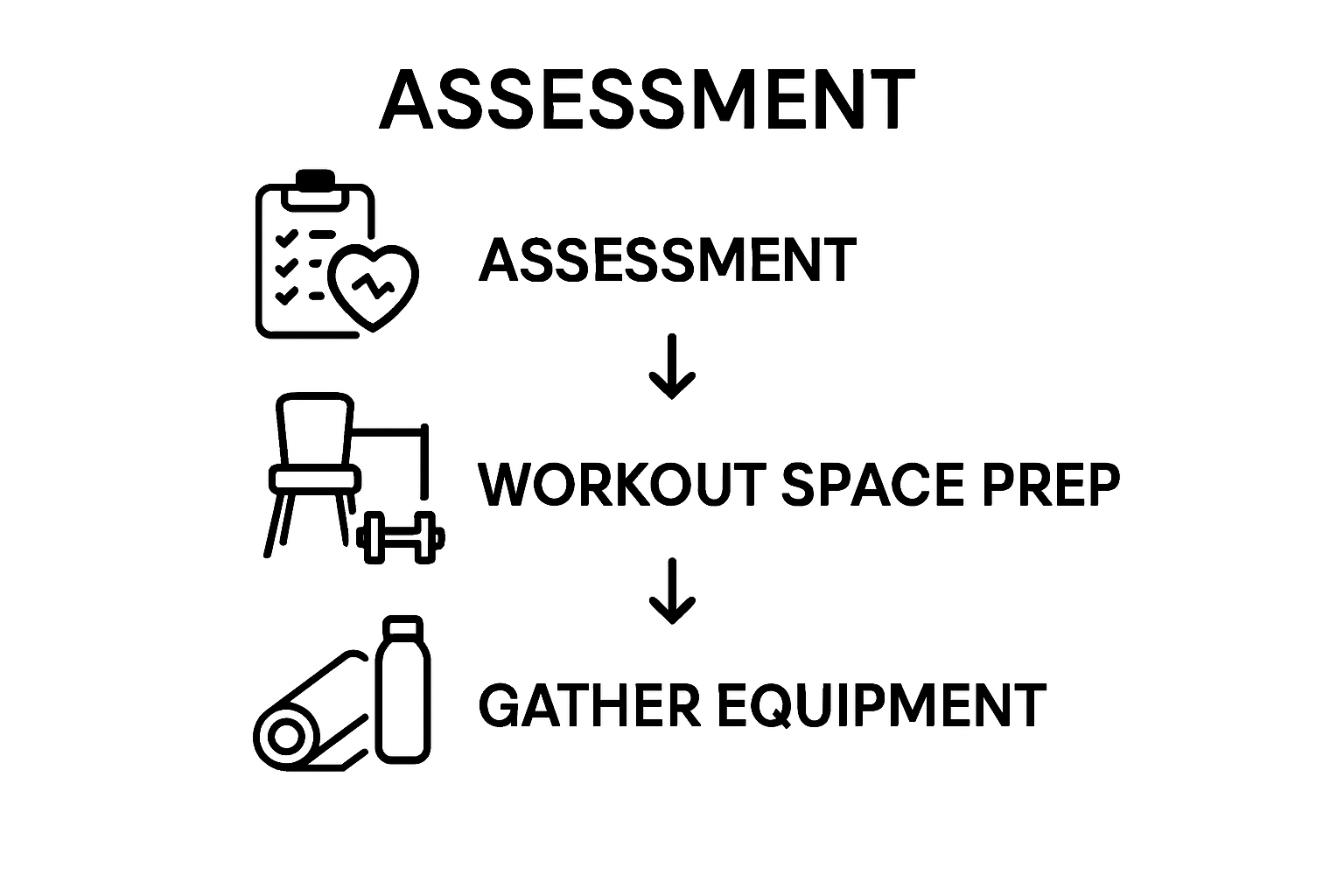
Key PointExplanation1. Assess Your Current Fitness LevelConduct a thorough self-evaluation to understand your physical strengths and weaknesses. This helps tailor your workouts to your needs.2. Create a Dedicated Workout SpaceSet up a specific area for your barre workouts to improve focus and effectiveness. Ensure it's well-lit and organized.3. Gather Minimal EquipmentAssemble lightweight items like a yoga mat and resistance bands to support your barre training without clutter.4. Follow a Structured RoutineImplement a systematic barre routine with clear warm-ups and cooldowns. Focus on consistency and muscle engagement for better results.5. Track Progress and Set GoalsDocument your workouts and assess progress regularly. Adjust your goals to remain aligned with your fitness journey and motivation.

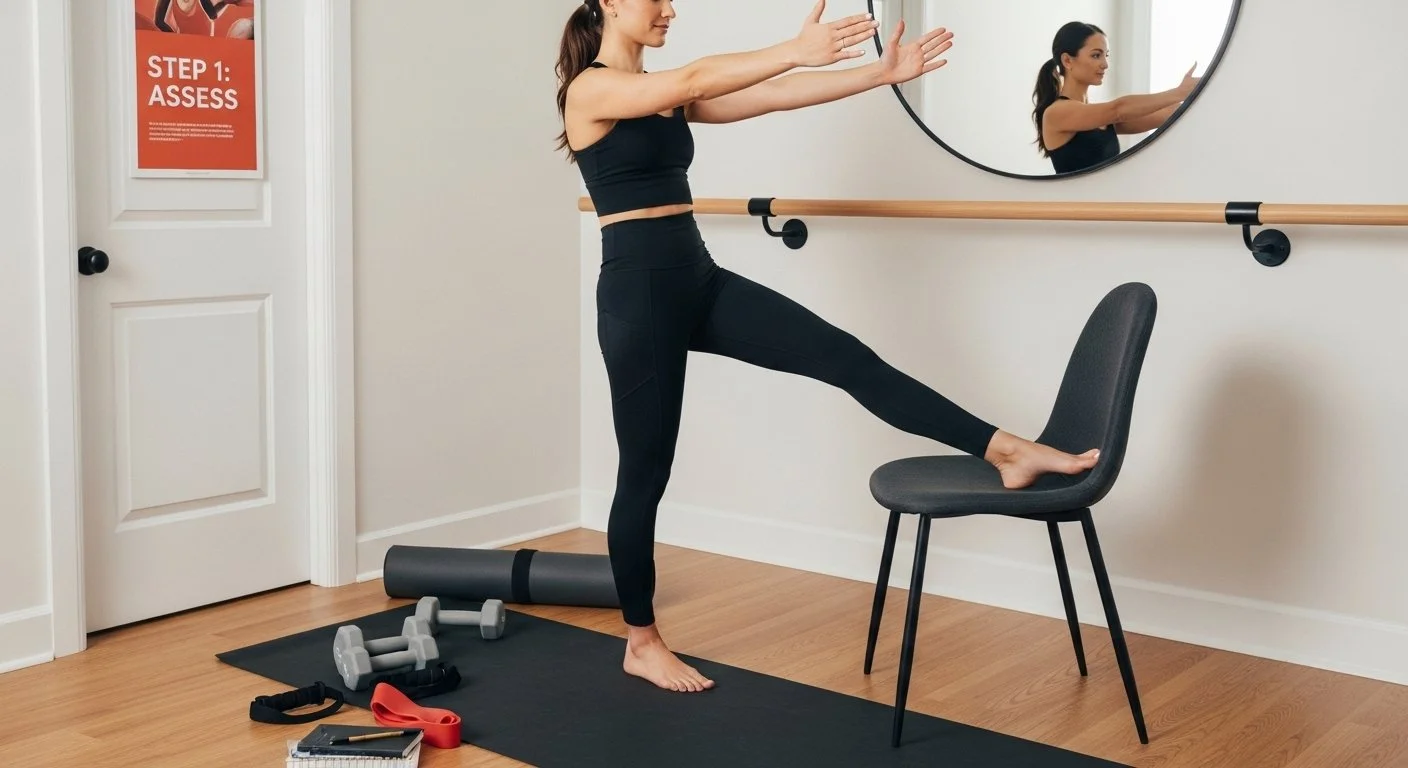
Step 1: Assess Your Current Fitness Level

Before diving into your barre workout workflow, understanding your current fitness baseline is crucial for creating a personalized and effective exercise strategy. Fitness assessment acts as your personal roadmap, helping you design a targeted approach that matches your physical capabilities and wellness goals.

Begin by conducting a comprehensive self evaluation that goes beyond simple measurements. This process involves examining multiple aspects of your physical condition, including strength, flexibility, cardiovascular endurance, and overall movement patterns. According to MedlinePlus, tracking key health indicators provides critical insights into your fitness foundation.

Start with basic physical assessments that require minimal equipment. Perform a series of simple tests to gauge your current fitness level: how many push ups can you complete with proper form, how long can you hold a plank position, and what is your resting heart rate? These fundamental measurements will help you understand your starting point and track progress throughout your barre workout journey.

Mental preparation is equally important during this initial assessment. Approach your evaluation with honesty and without judgment. Your current fitness level is simply a starting point, not a limitation. Some individuals might feel intimidated by initial assessments, but remember that every fitness journey begins exactly where you are right now.

Consider documenting your initial measurements in a dedicated fitness journal or digital tracking app. Capture not just numerical data but also how your body feels during different movements. Note any areas of tension, reduced flexibility, or physical discomfort. This holistic approach provides a more nuanced understanding of your physical condition beyond basic metrics.

Key aspects to document include:

  • Resting heart rate

  • Basic strength test results

  • Flexibility range of motion

  • Current body measurements

  • Energy levels and overall physical comfort

By completing a thorough initial assessment, you create a personalized baseline that will guide your entire barre workout workflow, ensuring a safe, effective, and progressive fitness experience.

Use the following table to review each step of the barre workout workflow with its primary goal and typical focus, helping you visualize the process from start to finish.

StepPrimary GoalFocus Area1. Assess Current Fitness LevelEstablish baseline for tailored routineSelf-evaluation, measurements2. Create Dedicated Workout SpaceBuild a distraction-free training environmentSpace setup, motivation3. Gather Equipment and ResourcesAcquire tools to support effective workoutsMinimalism, organization4. Follow Structured Barre RoutineEnsure safe, effective, and progressive trainingConsistency, form, progression5. Track Progress and Adjust GoalsMonitor improvements and set new targetsDocumentation, goal-setting6. Reflect and Set Future IntentionsPromote continual growth and personal insightHonest review, sustainability

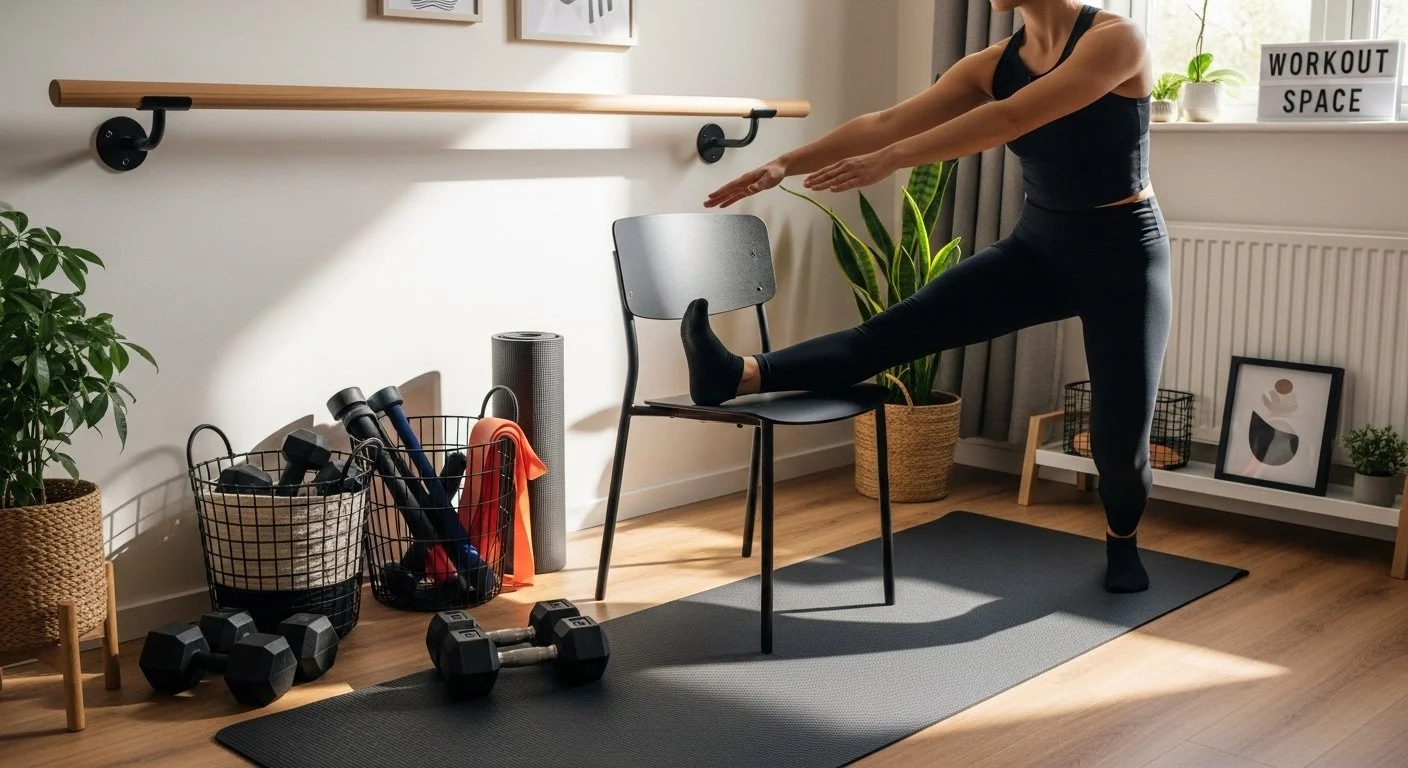
Step 2: Create a Dedicated Workout Space

Transforming a specific area into your personal barre workout sanctuary is more than just selecting a random spot in your home. Your workout space becomes the foundation of your fitness journey, setting the stage for consistent and effective training. The right environment can dramatically improve motivation, focus, and overall performance.

According to the Department of Homeland Security, even a small area can be transformed into an effective workout zone. Look for a space that offers enough room to move freely, ideally with a smooth, flat surface that can accommodate a yoga mat or barre workout equipment. Hardwood floors or clean, firm carpeting work best to provide stability and cushioning during your exercises.

Consider the practical aspects of your chosen space. Natural light can boost energy and mood, so proximity to windows is beneficial. Ensure the area has good ventilation and a comfortable temperature. If possible, position a mirror to help you monitor and correct your form during barre movements. This visual feedback is crucial for maintaining proper alignment and preventing potential injuries.

Equipment organization plays a significant role in creating an inviting workout environment. Invest in simple storage solutions like wall-mounted hooks, compact shelves, or decorative baskets to keep your workout accessories tidy and easily accessible. Your space should feel inspiring yet uncluttered, allowing you to transition smoothly between different barre exercises.

Personalization can transform a basic area into a motivational sanctuary. Add elements that energize you such as inspirational artwork, plants, or a small bluetooth speaker for music. Choose colors and decorations that make you feel confident and excited about your fitness routine.

Key elements for your dedicated workout space include:

  • Non slip flooring or exercise mat

  • Adequate lighting

  • Storage for workout equipment

  • Minimal distractions

  • Comfortable temperature control

By intentionally designing your workout area, you create a physical and mental environment that supports your barre workout workflow, making each session more enjoyable and effective.

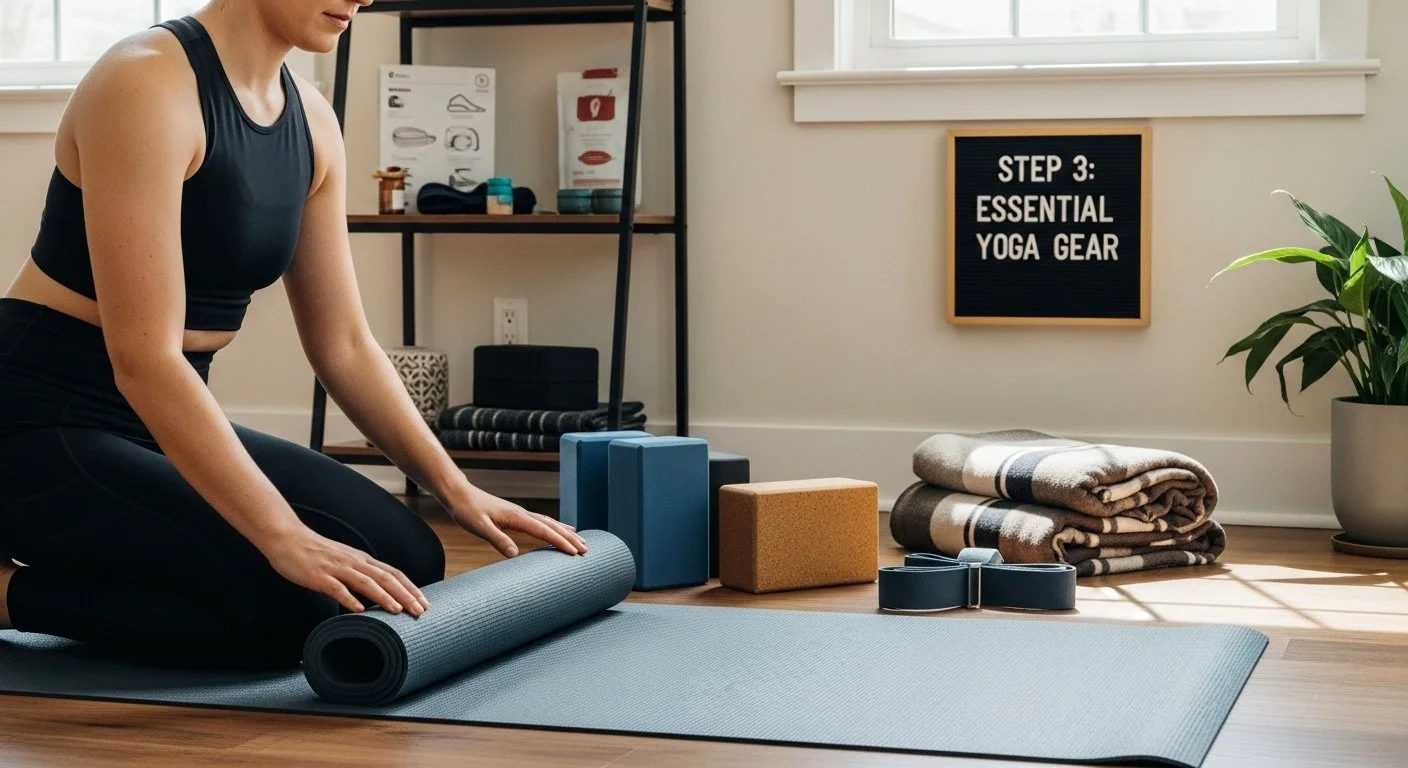
Step 3: Gather Required Equipment and Resources

Preparing for your barre workout workflow involves assembling the right tools and resources that will support your fitness journey. Minimalism is key when selecting equipment, as barre workouts primarily leverage body weight and precise movements to build strength and flexibility.

According to AARP's virtual Barre Fusion classes, you can create an effective home barre setup with surprisingly simple items. Start by collecting lightweight equipment that enhances your workout without overwhelming your dedicated space. A yoga mat provides a stable, cushioned surface for floor exercises, while light dumbbells or household alternatives like water bottles can add resistance to your routine.

Consider investing in a few versatile tools that expand your workout possibilities. A small squishy ball can help engage core muscles and improve balance, while resistance bands offer adjustable strength training options. If you do not have specialized equipment, get creative with household items. A sturdy chair without wheels can serve as your barre support, and a towel or paper plate can create sliding movements on different floor surfaces.

Beyond physical equipment, digital resources can significantly enhance your barre workout workflow. Research and bookmark online tutorials, follow barre fitness instructors on social media, and consider subscribing to workout streaming platforms that offer structured barre classes. These digital companions provide guidance, motivation, and technique refinement when in-person instruction is not available.

Pay attention to your clothing choices as well. Comfortable, form fitting attire allows you to see and correct your body alignment during exercises. Opt for stretchy materials that move with you, such as leggings, fitted tank tops, and supportive sports bras. Grip socks can also provide additional stability during floor work and help prevent slipping.

Essential items for your barre workout include:

  • Yoga mat

  • Light dumbbells or resistance bands

  • Stable chair or barre support

  • Comfortable, flexible workout clothing

  • Water bottle for hydration

By thoughtfully gathering these resources, you create a foundation that supports consistent, effective barre training right in the comfort of your home.

Here is a quick reference checklist summarizing the essential equipment and resources needed to start your home barre workout routine.

Equipment/ResourcePurposeNotesYoga matProvides cushioned, non-slip surfaceEssential for comfort and safetyLight dumbbells/resistance bandsAdds resistance for strength trainingUse water bottles if you don’t have dumbbellsStable chair/barre supportActs as your home barreMust be sturdy and stable, without wheelsComfortable workout clothingEnsures unrestricted movement and proper formChoose fitted, stretchy fabrics for best resultsSmall squishy ballEnhances core engagement and balanceOptional but recommended for varietyDigital resources (tutorials, apps)Structured guidance and motivationFollow online instructors or apps for techniqueWater bottleKeeps you hydrated during exerciseRefill and keep accessible in your workout space

Step 4: Follow a Structured Barre Routine

A structured barre routine transforms random movements into a purposeful fitness journey, creating a systematic approach that maximizes your workout efficiency and effectiveness. Consistency and precision are the cornerstones of a successful barre practice, requiring careful attention to form, sequence, and muscle engagement.

According to the Cleveland Clinic, barre exercises specifically target muscle groups to improve strength, flexibility, and posture. Begin your routine with a comprehensive warm up that prepares your body for the intricate movements ahead. Start with gentle stretches that activate your major muscle groups, focusing on lengthening and warming the muscles in your legs, core, and upper body.

Structure your workout into distinct segments that progressively challenge your body. Begin with small, controlled movements at the barre or using a chair for support. Focus on maintaining proper alignment, keeping your core engaged and your movements precise. Incorporate a combination of pulsing, holding, and small range movements that challenge muscle endurance and build strength without heavy weights.

Mental focus is as crucial as physical execution. Concentrate on each movement, paying attention to your body's alignment and the specific muscle groups being targeted. Breathe deliberately, synchronizing your breath with each movement to enhance muscle engagement and maintain a steady rhythm throughout your routine.

Progression is key to preventing plateaus and maintaining motivation. Gradually increase the complexity and intensity of your movements as your strength and flexibility improve. This might mean adding more repetitions, holding positions longer, or introducing subtle variations that challenge your balance and core stability.

Key elements of an effective barre routine include:

  • Warm up and stretching

  • Targeted muscle group exercises

  • Consistent form and alignment

  • Controlled, precise movements

  • Gradual progression of difficulty

Complete your routine with a comprehensive cool down that allows your muscles to recover and prevents potential soreness. Gentle stretching and deep breathing help transition your body from an intense workout state to a relaxed, recovered condition, setting the stage for continued fitness progress.

Step 5: Track Progress and Adjust Goals

Tracking your barre workout progress transforms your fitness journey from a random series of exercises into a strategic, data driven approach to personal health. Measurement becomes the compass that guides your continuous improvement, providing clarity and motivation throughout your fitness experience.

According to California State University San Marcos, setting clear and specific goals is fundamental to tracking progress effectively. Begin by establishing concrete, measurable objectives that go beyond vague intentions. Instead of saying "I want to get stronger," define specific markers like "I want to hold a plank for two minutes" or "I aim to complete 20 consecutive barre pulses without losing form."

Implement a comprehensive tracking system that captures multiple dimensions of your fitness journey. Create a dedicated workout journal or use a digital fitness app that allows you to log not just quantitative metrics like repetitions and duration, but also qualitative observations about your body's response. Note how you feel during and after workouts, tracking energy levels, muscle soreness, flexibility improvements, and overall physical comfort.

Consistency in documentation is more important than perfection. Design a simple, sustainable tracking method that feels natural and doesn't become a burdensome task. Take weekly progress photos, measure key body metrics like waist circumference or muscle definition, and record your workout performances. These tangible records provide visual and numerical evidence of your transformation, serving as powerful motivational tools.

Regularly review and adjust your goals to prevent stagnation. Every four to six weeks, assess your progress objectively. Are you consistently meeting your targets? Do your current goals still align with your evolving fitness aspirations? Be prepared to modify your approach, whether that means increasing workout intensity, introducing new variations, or recalibrating your expectations.

Critical elements of effective progress tracking include:

  • Specific, measurable goals

  • Consistent documentation

  • Regular performance reviews

  • Flexibility in goal adjustment

  • Holistic performance assessment

Remember that progress is not linear. Some weeks you might see dramatic improvements, while others might feel like plateaus. Embrace these variations as natural parts of your fitness journey, using your tracking system to maintain perspective and motivation.

Step 6: Reflect on Your Experience and Set Future Intentions

The final step in your barre workout workflow transforms your fitness journey from a mere exercise routine into a profound personal growth experience. Reflection is the catalyst that turns physical movements into meaningful transformation, allowing you to understand not just what you did, but how and why you did it.

According to research on exercise psychology, self-reflection plays a critical role in translating exercise intentions into sustainable action. Schedule dedicated time for a comprehensive review of your barre workout experience. This isn't just about counting repetitions or measuring physical changes, but understanding the deeper emotional and mental shifts that occurred during your fitness journey.

Begin your reflection by creating a quiet, contemplative environment free from distractions. Pull out your workout journal or tracking documents and review your progress holistically. Look beyond the numerical data to understand the qualitative aspects of your experience. What moments challenged you? When did you feel most empowered? What unexpected insights did you gain about your physical and mental capabilities?

Honest self assessment requires vulnerability and compassion. Acknowledge both your achievements and the areas where you struggled without judgment. Recognize that fitness is not a linear path, but a dynamic, evolving process. Your challenges are not failures, but valuable learning opportunities that provide crucial insights for future growth.

Transform your reflections into actionable future intentions. Instead of setting rigid, potentially discouraging goals, craft intentions that inspire and motivate you. These might include exploring new barre variations, increasing mind body connection, or developing more consistent workout habits. Focus on creating a sustainable approach that feels supportive and exciting rather than punitive.

Key elements of meaningful reflection include:

  • Comprehensive review of physical and emotional progress

  • Honest self assessment

  • Identifying personal growth moments

  • Creating inspirational future intentions

  • Celebrating your unique fitness journey

Remember that your barre workout workflow is a personal narrative of strength, resilience, and continuous self discovery. Each reflection is an opportunity to reconnect with your deeper motivations and recommit to your wellness journey with renewed passion and understanding.

Take Your Barre Journey Off the Page and Into Practice With Us

You have built the foundation for a strong barre workout by assessing your fitness level, creating a dedicated space, and truly focusing on mindful progress. Now, do you want expert support and a vibrant community to help you keep growing? Many face the challenge of staying consistent, perfecting form, and staying inspired when working out alone at home. At Amrita Yoga & Wellness, we transform your goals from words into results. Our supportive classes are carefully structured around the same principles you have mastered in this article, focusing on confidence, precision, and lasting change.

Join our Philadelphia studio to experience barre in a welcoming setting or access holistic resources designed to support every step of your fitness journey. Explore in-person and virtual class options, consult detailed class descriptions, and connect instantly with expert instructors who guide you from your starting point. There is no better time to turn your workflow into lifelong wellness. Start today at Amrita Yoga & Wellness and make each workout count.

Frequently Asked Questions

What should I do to assess my current fitness level before starting barre workouts?

Start by conducting a thorough self-evaluation, including tests for strength, flexibility, cardiovascular endurance, and overall movement patterns. Measure your resting heart rate, perform basic strength tests, and document your current body measurements to establish a baseline.

How can I create an effective dedicated workout space for barre sessions?

Choose an area with ample room for movement, ideally with a smooth, flat surface. Ensure good lighting and ventilation, and store your equipment neatly. Personalize the space to motivate you, such as adding inspirational decor or music options.

What equipment do I need for home barre workouts?

You primarily need a yoga mat, light dumbbells or household alternatives, a sturdy chair for barre support, and comfortable workout clothing. Resistance bands and a small squishy ball are also beneficial for enhancing your routine.

How can I effectively track my progress during barre workouts?

Establish clear goals and regularly document your workouts, including repetitions, duration, and how you feel. Use a fitness journal or app to log quantitative and qualitative metrics. Review your progress every four to six weeks and adjust your goals accordingly.

Recommended

What is Aerial Pilates? Understanding This Unique Practice

Heather Rice

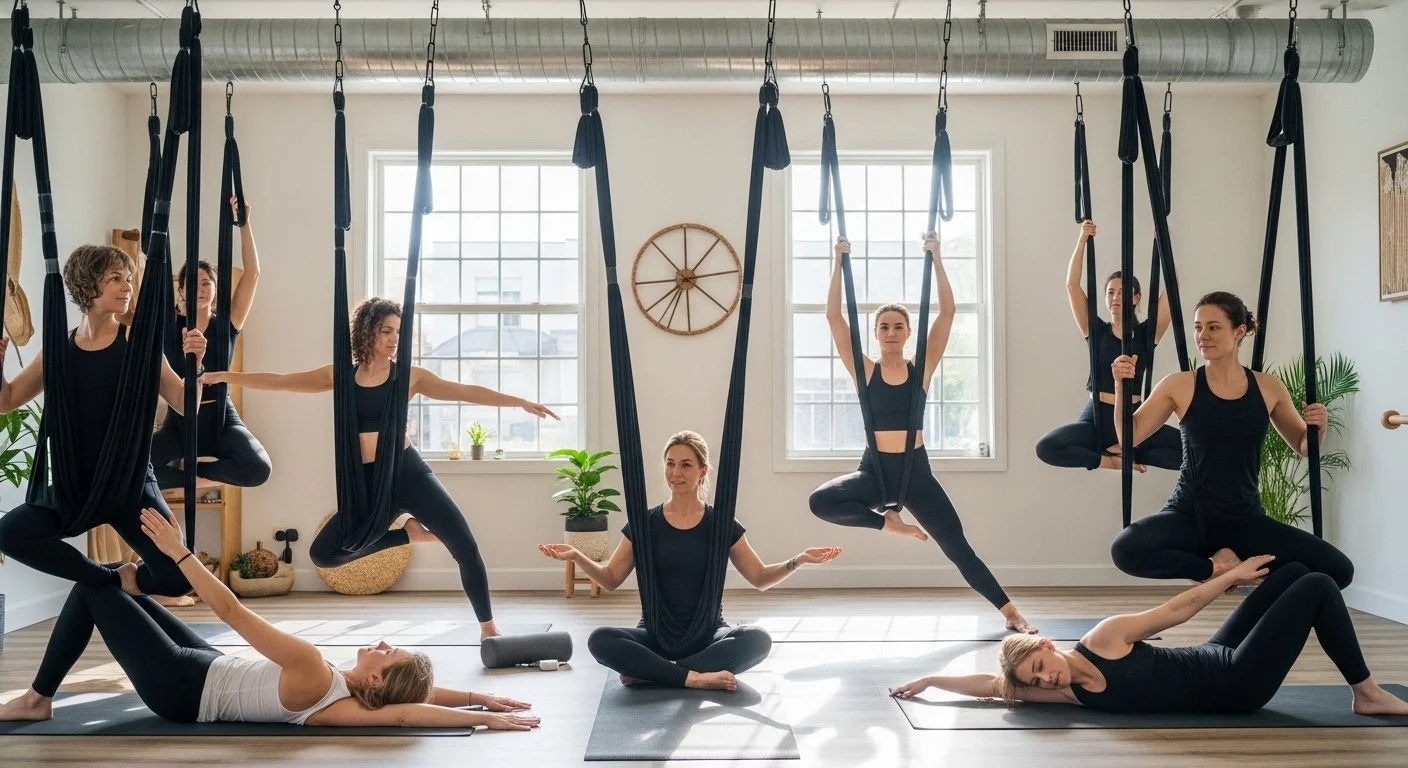
Aerial Pilates flips traditional workouts on their head and brings gravity into the mix with silk hammocks that let you move in ways you never thought possible. Most people expect a fancy stretch or some circus tricks. But the real surprise is that suspended movement in Aerial Pilates can activate muscle groups and boost neuromuscular engagement far beyond regular floor routines. This changes not just how you train your body but also the way your brain connects with every move.

Table of Contents

Quick Summary

TakeawayExplanationAerial Pilates enhances strength and flexibility.This practice uses suspension to improve core engagement, muscular strength, and flexibility, leading to better overall fitness.Mindful movement boosts mental wellness.The focus required in Aerial Pilates fosters body awareness and reduces stress, contributing to improved cognitive function and emotional stability.Low-impact exercises minimize joint stress.The suspended environment allows for movements that reduce joint compression, creating a safer workout option for long-term health.Engagement of stabilizer muscles is crucial.The instability created by the silk hammock activates deeper muscles, promoting better balance and control during workouts.Increased body awareness improves movement quality.Practitioners develop enhanced proprioceptive skills and precision, leading to more intentional and controlled physical activities.

The Concept of Aerial Pilates: A New Fitness Frontier

Aerial Pilates represents a revolutionary approach to fitness that seamlessly blends traditional Pilates principles with suspended movement techniques. This innovative practice transforms standard ground-based exercises into a dynamic, gravity-defying experience that challenges both body and mind.

Understanding the Aerial Pilates Framework

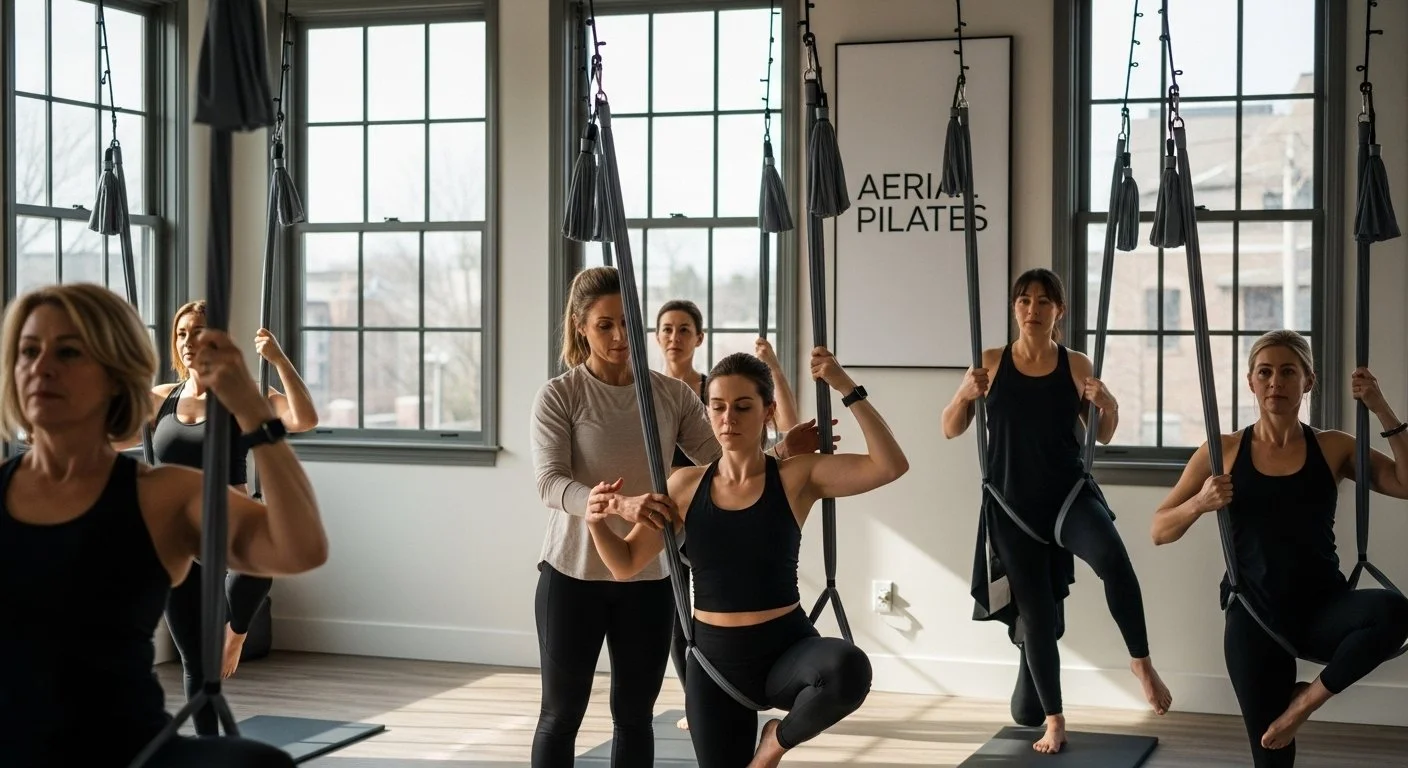
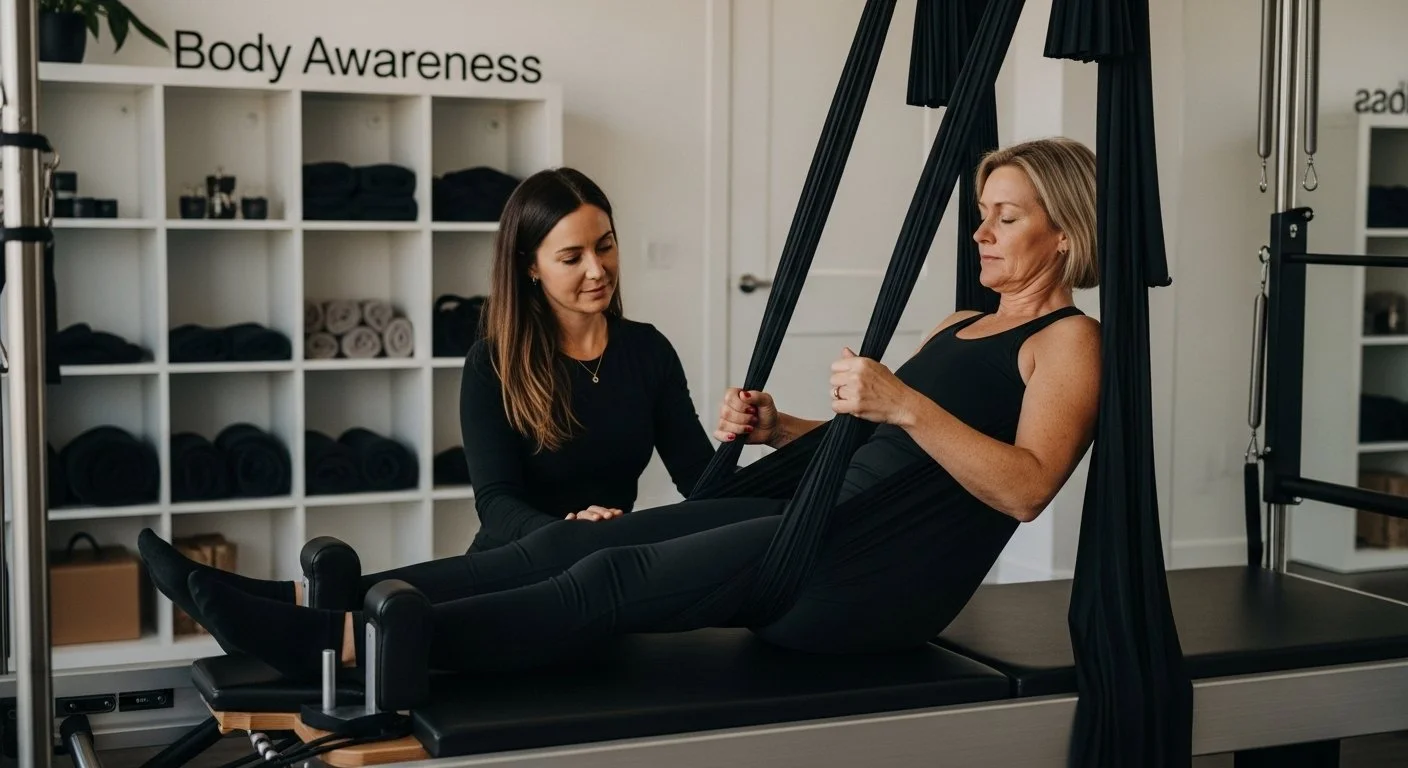
At its core, Aerial Pilates utilizes a specialized silk hammock suspended from the ceiling, creating an environment where practitioners can perform movements with enhanced support and reduced gravitational pressure. According to research from AntiGravity Fitness, this approach allows participants to explore movement patterns impossible in traditional Pilates, offering unique benefits for strength, flexibility, and overall body conditioning.

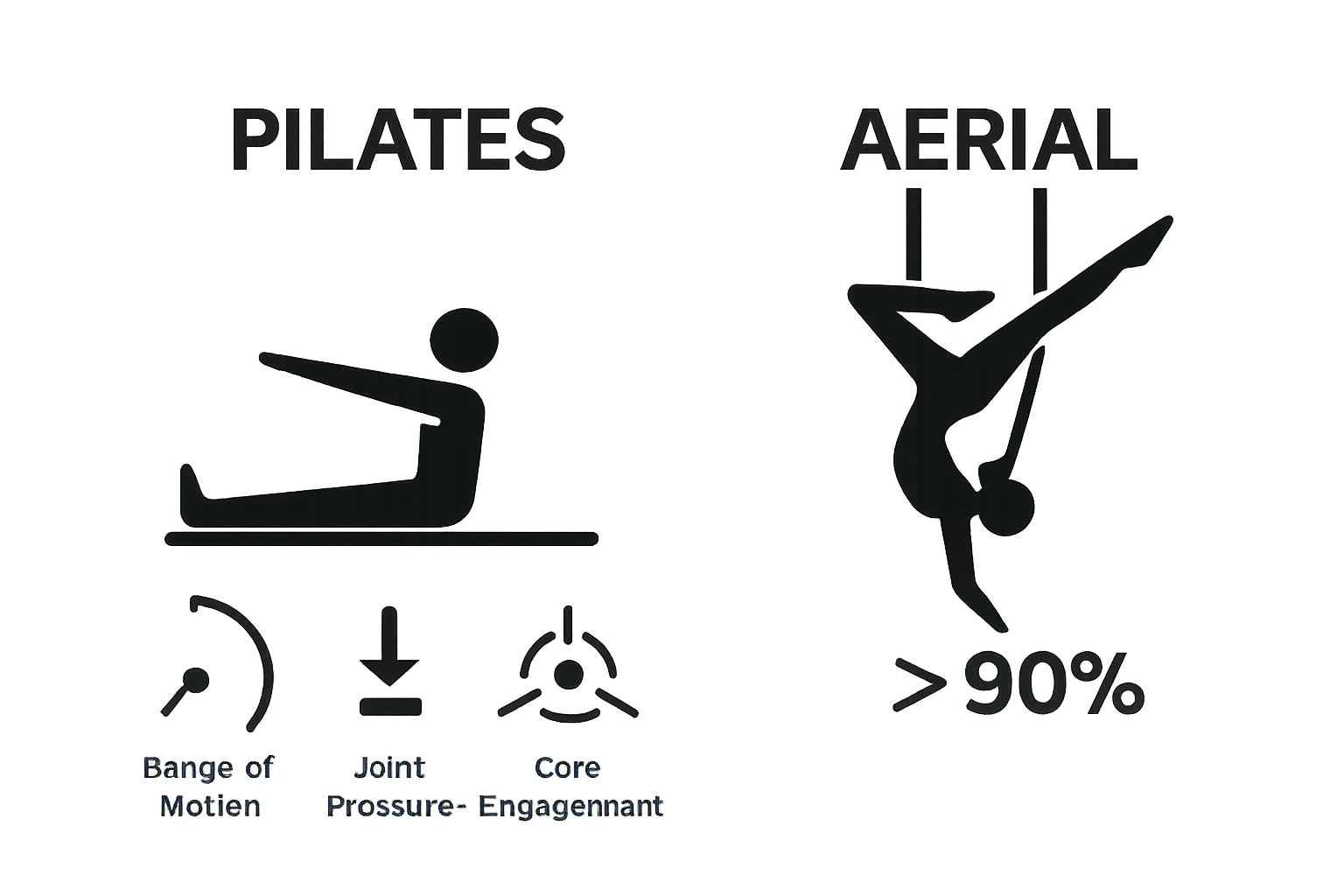
The aerial apparatus provides multiple advantages that distinguish this practice from standard mat or equipment-based Pilates:

  • Increased range of motion

  • Reduced joint compression

  • Enhanced core engagement

  • Improved spinal decompression

The Biomechanical Principles Behind Aerial Pilates

Aerial Pilates operates on sophisticated biomechanical principles that leverage suspension to transform standard exercise mechanics. By introducing instability through the hanging silk hammock, practitioners must engage deeper muscle groups to maintain balance and control. This constant micro-adjustment activates stabilizer muscles that often remain dormant in traditional workout routines.

The Nelson Mandela Bay fitness study highlighted how suspended exercises create a unique neurological challenge, requiring practitioners to develop heightened body awareness and proprioceptive skills. Participants learn to move with precision, control, and intentionality, fundamentally reshaping their understanding of physical movement.

Whether you are a fitness enthusiast seeking a novel workout experience or someone looking to explore movement from a different perspective, Aerial Pilates offers an engaging and transformative approach to personal wellness that goes far beyond traditional exercise modalities.

Why Aerial Pilates Matters for Mind and Body Wellness

Aerial Pilates transcends traditional fitness by offering a holistic approach to wellness that simultaneously nurtures physical strength and mental resilience. This unique practice goes beyond conventional exercise methods, creating a transformative experience that addresses comprehensive health needs.

Physical Wellness and Functional Movement

According to research from the Department of Veterans Affairs, Pilates methods demonstrate significant potential for improving physical capabilities. Aerial Pilates amplifies these benefits by introducing suspended movement that challenges the body in unprecedented ways. The practice delivers remarkable advantages for overall physical wellness:

  • Enhanced muscular strength and endurance

  • Improved flexibility and joint mobility

  • Superior core muscle engagement

  • Reduced risk of injury through controlled movements

The suspended environment allows practitioners to perform exercises with minimal joint compression, creating a low-impact yet highly effective workout that supports long-term physical health. By distributing body weight through the silk hammock, individuals can perform movements with greater ease and reduced strain.

Neurological and Mental Health Benefits

Beyond physical conditioning, Aerial Pilates profoundly impacts mental wellness by demanding heightened body awareness and mindful movement. The practice requires intense concentration, creating a meditative state where practitioners must remain fully present and connected to their body's positioning and movement patterns.

The neurological challenges presented by suspended exercises stimulate brain plasticity, encouraging participants to develop enhanced proprioceptive skills. This mental engagement helps reduce stress, improve cognitive function, and cultivate a deeper mind-body connection. Practitioners often report experiencing improved mental clarity, reduced anxiety, and a sense of physical empowerment after consistent practice.

Whether you are seeking rehabilitation, stress relief, or a comprehensive fitness approach, Aerial Pilates offers a sophisticated pathway to holistic wellness that integrates physical strength, mental resilience, and profound bodily awareness.

How Aerial Pilates Works: The Science Behind the Practice

Aerial Pilates represents a sophisticated fusion of biomechanical principles, exercise science, and innovative movement techniques that transform traditional fitness paradigms. By integrating suspension technology with precise body mechanics, this practice creates a unique environment for comprehensive physical conditioning.

Biomechanical Principles of Suspension Training

The core scientific mechanism of Aerial Pilates revolves around leveraging gravitational resistance and instability to maximize muscular engagement. According to research from the American Council on Exercise, suspended exercise modalities can dramatically enhance physical performance through several key physiological adaptations:

  • Increased neuromuscular activation

  • Enhanced proprioceptive feedback

  • Amplified core muscle recruitment

  • Improved joint stabilization mechanisms

The silk hammock acts as a dynamic support system, allowing practitioners to perform movements that would be challenging or impossible on a traditional exercise mat. By creating an unstable environment, the apparatus forces the body to recruit additional muscle groups for balance and control, resulting in a more comprehensive workout.

Physiological Responses and Energy Expenditure

Scientific analysis reveals that Aerial Pilates triggers complex physiological responses that extend beyond standard exercise protocols. The suspended environment requires continuous micro-adjustments, which significantly elevates metabolic demand and cardiovascular engagement. Practitioners experience an elevated heart rate and increased caloric expenditure while simultaneously reducing joint stress.

The unique positioning in the silk hammock allows for decompression of the spine and joints, enabling movements that promote increased range of motion and reduced gravitational pressure. This approach facilitates deeper stretches, more precise muscle activation, and enhanced overall body alignment.

Whether you are a fitness enthusiast seeking advanced training methods or someone interested in a scientifically supported approach to wellness, Aerial Pilates offers a sophisticated, research-backed pathway to comprehensive physical conditioning that challenges traditional exercise paradigms.

Key Principles of Aerial Pilates: Understanding Its Foundations

Aerial Pilates emerges as a sophisticated discipline rooted in precise philosophical and physical principles that distinguish it from conventional fitness practices. This practice integrates traditional Pilates methodology with innovative suspended movement techniques, creating a holistic approach to body conditioning and mindful exercise.

Core Philosophical Foundations

According to comprehensive research on Pilates exercise principles, the practice is fundamentally built upon six interconnected principles that guide every movement and interaction with the aerial apparatus. These foundational concepts transform Aerial Pilates from a mere exercise routine into a comprehensive mind-body discipline:

  • Concentration: Total mental engagement with each movement

  • Control: Precise, intentional muscle activation

  • Centering: Generating power from the body's core

  • Flow: Smooth, continuous motion without interruption

  • Precision: Executing movements with exact alignment

  • Breathing: Synchronized respiratory patterns with physical motion

These principles work synergistically to create a practice that transcends traditional physical training, emphasizing quality of movement over quantity of repetitions.

The following table summarizes the core philosophical principles that define Aerial Pilates and explains their purpose in the practice.

PrincipleDescriptionConcentrationMaintaining focused attention on each movementControlExecuting exercises with intentional, precise muscle useCenteringUtilizing core muscles to generate movement and stabilityFlowPerforming movements smoothly and continuouslyPrecisionAligning the body accurately during each exerciseBreathingCoordinating breath with physical actions for efficiency

Biomechanical and Neurological Integration

Aerial Pilates represents a complex integration of biomechanical principles and neurological engagement. The suspended environment demands unprecedented levels of body awareness and neuromuscular coordination. By introducing instability through the silk hammock, practitioners must develop heightened proprioceptive skills, fundamentally rewiring their approach to movement and physical control.

The practice challenges practitioners to maintain precise body alignment while suspended, requiring continuous micro-adjustments that activate deep stabilizer muscles. This approach promotes enhanced body awareness, improved balance, and a profound understanding of individual movement patterns.

Whether you are a seasoned athlete or a fitness novice, Aerial Pilates offers a transformative approach that reimagines how we understand physical movement, body control, and holistic wellness.

The Benefits of Aerial Pilates: Enhancing Your Wellness Journey

Aerial Pilates transcends traditional fitness approaches by offering a comprehensive wellness experience that nurtures physical, mental, and emotional well-being. This innovative practice provides a multifaceted approach to health that addresses holistic personal development through strategic movement and mindful engagement.

Physical Health and Performance Optimization

According to research from the American Council on Exercise, Aerial Pilates delivers remarkable physiological benefits that extend far beyond conventional exercise methodologies. Practitioners can expect significant improvements across multiple dimensions of physical health:

  • Enhanced cardiovascular conditioning

  • Increased muscular strength and flexibility

  • Improved body composition and metabolic efficiency

  • Reduced risk of cardiovascular-related health complications

The suspended training environment creates unique opportunities for muscle development and joint rehabilitation. By minimizing gravitational stress, practitioners can perform movements that would be challenging or impossible in traditional exercise settings, allowing for more comprehensive and adaptive physical conditioning.

Psychological and Emotional Wellness

Beyond physical transformations, Aerial Pilates offers profound psychological benefits that contribute to mental resilience and emotional balance. The practice demands intense concentration and mindful movement, creating a meditative state that helps practitioners develop heightened body awareness and stress management skills.

The combination of physical challenge and mental focus triggers the release of endorphins, promoting a sense of accomplishment and emotional well-being. Practitioners frequently report experiencing reduced anxiety, improved mood regulation, and increased self-confidence as they master complex aerial movements and overcome personal physical limitations.

Whether you are seeking comprehensive fitness, rehabilitation, or a transformative approach to personal wellness, Aerial Pilates provides a sophisticated pathway to holistic health that integrates physical performance, mental clarity, and emotional equilibrium.

Experience the Transformative Power of Aerial Pilates at Amrita Yoga & Wellness

Are you intrigued by the way Aerial Pilates combines deep core engagement, mindful movement, and reduced joint strain, as explained in our detailed guide? Many people struggle with finding a practice that strengthens the body, calms the mind, and supports overall wellness without causing discomfort or boredom. Whether you are coping with chronic joint pain, seeking a more dynamic workout, or hoping to reconnect with your body through innovative movement, Amrita Yoga & Wellness in Philadelphia can help you reach your goals. Our Aerial Pilates classes are expertly designed for all levels, allowing you to experience the remarkable benefits discussed in the article — from improved flexibility and spinal decompression to enhanced body awareness and stress relief.

Ready to transform your fitness journey and feel the difference of authentic mind-body wellness? Explore our current class schedule, instructor bios, and exclusive membership options today at Amrita Yoga & Wellness. Secure your spot and take the first step toward empowered movement. Discover the vibrant community, expert-led workshops, and holistic resources waiting for you. Now is the time to revisit what well-being can truly mean. Join us by visiting our studio page and start your Aerial Pilates adventure now.

Frequently Asked Questions

What is Aerial Pilates?

Aerial Pilates is a fitness practice that combines traditional Pilates principles with suspended movement techniques using a silk hammock. It allows practitioners to perform exercises in a gravity-defying environment, enhancing strength, flexibility, and overall body conditioning.

What are the benefits of practicing Aerial Pilates?

Aerial Pilates offers numerous benefits, including improved muscular strength and endurance, enhanced flexibility and core engagement, reduced joint compression, and better spinal decompression. It also promotes mental wellness by increasing body awareness and reducing stress.

How does Aerial Pilates differ from traditional Pilates?

Aerial Pilates differs from traditional Pilates by utilizing a suspended silk hammock, allowing for a wider range of motion and reduced gravitational pressure. This enables deeper engagement of stabilizer muscles and presents unique movement patterns that are not possible on a standard mat.

To better understand how Aerial Pilates stands apart from traditional Pilates, the table below compares key features of both practices.

FeatureTraditional PilatesAerial PilatesEquipmentMats, reformers, small propsSilk hammock suspended from the ceilingRange of MotionGround-based, often limitedGreater, allows gravity-assisted movementImpact on JointsModerate to lowLow, due to reduced compressionCore EngagementFocused, but stableEnhanced by instability of suspensionSpinal DecompressionLimited, mostly through mat workSignificant, aided by silk hammock supportMuscle ActivationMajor muscle groups primarily engagedIncreased stabilizer and deep muscle activationMovement VarietyLimited to floor and reformerExpanded, including dynamic, floating exercises

Is Aerial Pilates suitable for beginners?

Yes, Aerial Pilates can be suitable for beginners. Classes often cater to various skill levels, and the supportive nature of the silk hammock helps individuals perform exercises with less strain while building confidence in their movements.

Recommended

Understanding the Infrared Yoga Studio Experience

Heather Rice

Infrared yoga studios are popping up everywhere and they are changing the way people experience wellness. Most folks expect just another heated room, but that is not what is happening. In fact, infrared heat can warm your muscles up to 3 centimeters below the skin, compared to ordinary heat that only warms the surface. This difference means your yoga session is not just hotter, it is unlike anything you have felt before.

Table of Contents

Quick Summary

TakeawayExplanationInfrared heat directly warms the bodyUnlike traditional heating, infrared heat penetrates the body for deeper warmth and benefits.Lower temperature, greater comfortInfrared yoga studios maintain lower room temperatures while still achieving therapeutic effects.Enhanced recovery and flexibilityTargeted warmth improves blood circulation and reduces muscle tension, boosting performance in yoga.Supports mental clarity and relaxationThe combination of heat and mindful practices aids in stress reduction and cognitive function.Holistic health benefits beyond exerciseBenefits include improved cardiovascular function, detoxification, and overall wellness through infrared technology.

What is an Infrared Yoga Studio and How Does It Differ?

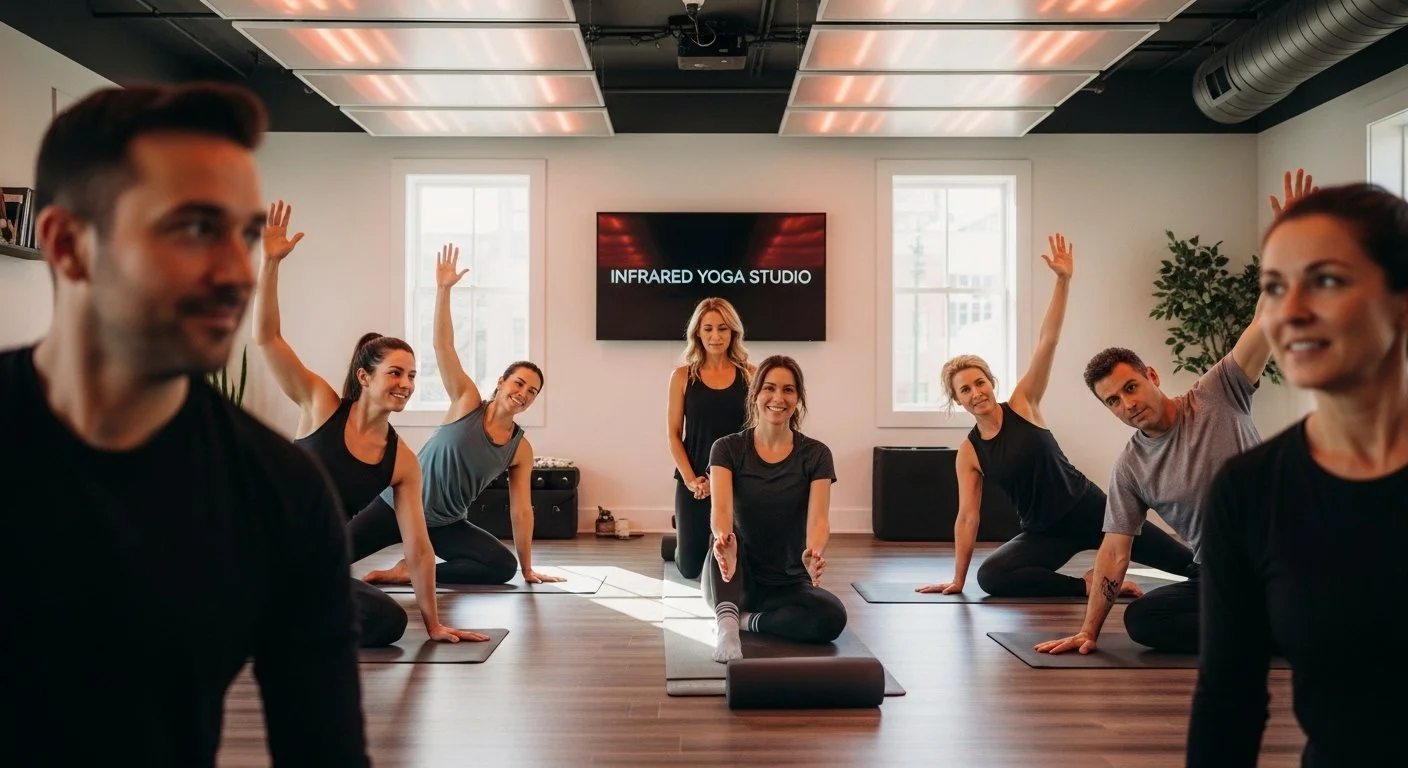
An infrared yoga studio represents a cutting-edge approach to traditional yoga practices, integrating advanced heating technology to create a uniquely transformative wellness environment. Unlike conventional heated yoga spaces, infrared studios utilize electromagnetic waves that directly warm the body, providing a more targeted and efficient heating experience.

The Science Behind Infrared Heat

Infrared heat operates differently from traditional heating methods. Instead of warming the surrounding air, infrared wavelengths penetrate directly into the body, creating a deep, therapeutic warmth that affects muscles, joints, and cellular structures. According to research from the International Journal of Environmental Research and Public Health, this targeted heating can significantly improve flexibility, potentially enhance strength, and support overall physical performance during yoga practice.

Key Differences from Traditional Yoga Spaces

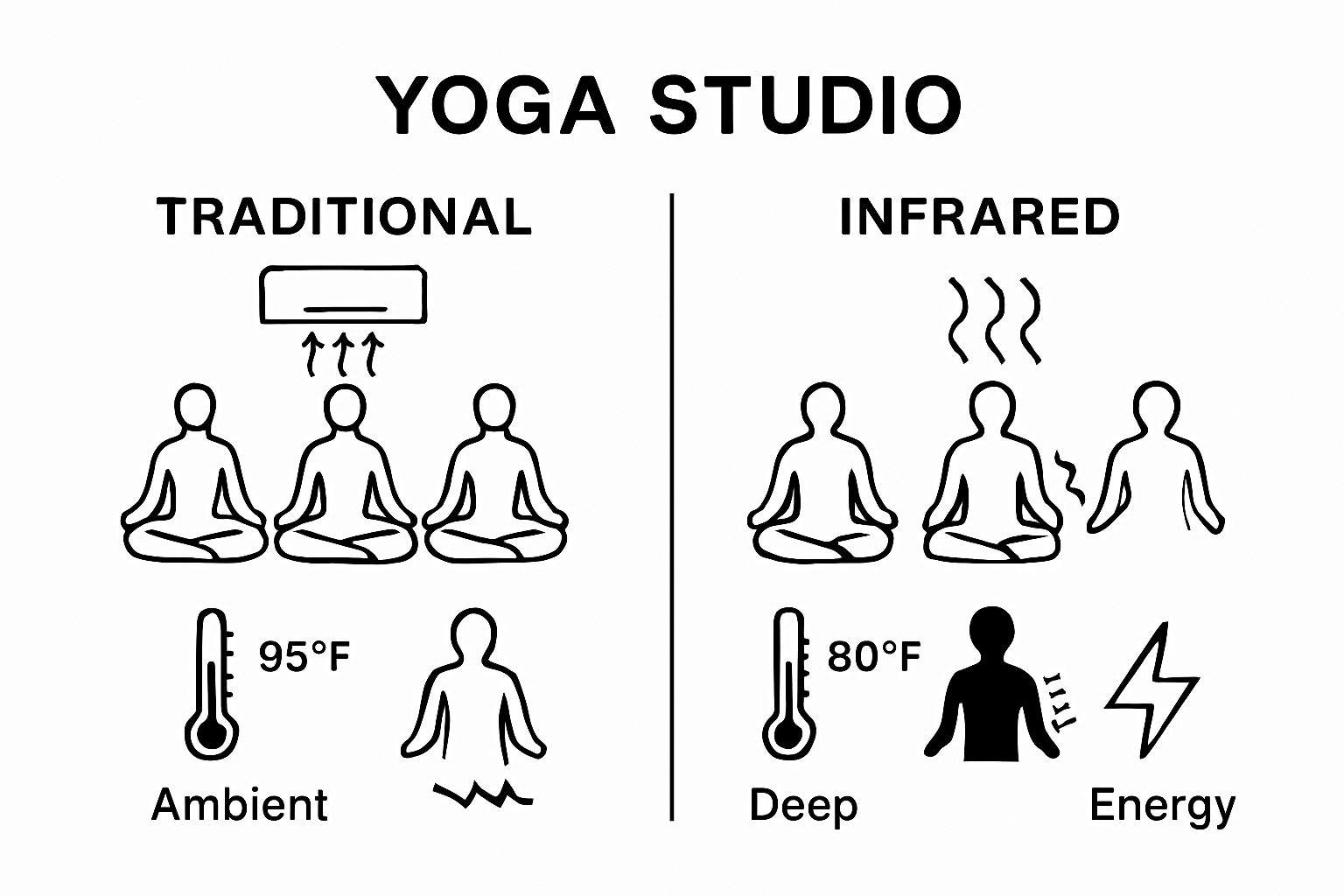
Traditional yoga studios typically use convection heating systems that warm the air around practitioners. In contrast, an infrared yoga studio offers several distinctive advantages:

Direct Body Warming: Infrared waves heat the body directly, not just the surrounding air

  • Lower Ambient Temperature: Achieves therapeutic effects at lower overall room temperatures

  • Deeper Penetration: Provides more comprehensive muscle and tissue warmth

  • Energy Efficiency: Requires less energy compared to traditional heating methods

Practitioners often report feeling a more comfortable and penetrating warmth in infrared yoga studios, which can help reduce muscle tension, improve circulation, and support deeper relaxation during practice. The technology creates an environment that feels gentler yet more intense, allowing for potentially more profound physical and mental engagement during yoga sessions.

Below is a comparison table to clarify how infrared yoga studios differ from traditional yoga spaces in terms of heating methods and their effects on practitioners.

FeatureTraditional Yoga StudioInfrared Yoga StudioHeating MethodConvection (heats air)Infrared electromagnetic wavesArea of WarmthSurrounding airDirectly targets body tissuesDepth of Heat PenetrationSurface levelUp to 3 centimeters below skinTypical Room TemperatureHigher (often uncomfortable)Lower (more comfortable)Energy EfficiencyLower efficiencyMore energy efficientPractitioner ExperienceOverall warmth, can feel stiflingComfortable, deep, and therapeutic warmth

The Science Behind Infrared Heat and Its Benefits

Infrared heat represents a sophisticated thermal technology that goes beyond traditional heating methods, utilizing electromagnetic radiation to deliver targeted warmth directly into the human body. This scientific approach to heat transfer creates unique physiological responses that distinguish infrared technology from conventional heating systems.

Understanding Electromagnetic Wavelengths

Infrared radiation exists within the electromagnetic spectrum as invisible waves that penetrate human tissue without disrupting surface temperatures. These wavelengths are categorized into near, mid, and far infrared ranges, each producing distinct biological interactions. According to research published in the Journal of Photochemistry and Photobiology, far infrared radiation demonstrates remarkable potential for stimulating cellular mechanisms and promoting therapeutic responses.

Physiological Responses to Infrared Exposure

When infrared waves interact with the human body, several significant physiological processes occur:

  • Improved Circulation: Infrared wavelengths cause blood vessels to dilate, enhancing blood flow and oxygen delivery

  • Muscle Relaxation: Deep tissue warming helps reduce muscle tension and promotes recovery

  • Cellular Stimulation: Infrared radiation can activate cellular repair mechanisms

  • Metabolic Acceleration: Increased core body temperature can temporarily boost metabolic functions

The precision of infrared heat allows for a more nuanced and controlled thermal experience compared to traditional heating methods.

This table summarizes the main physiological responses and health benefits described in the article, organizing them by effect and underlying mechanism.

Physiological EffectUnderlying MechanismRelated Health BenefitImproved CirculationVasodilation from infrared exposureEnhanced cardiovascular functionMuscle RelaxationDeep warming of muscles and tissuesReduced muscle tension, flexibilityCellular StimulationActivation of repair and metabolic pathwaysRecovery and detoxificationMetabolic AccelerationTemporary elevation in core body temperatureIncreased calorie burnStress ReductionCombined heat and mindfulness lowers cortisolEnhanced relaxation and mental clarityBy directly engaging body tissues, infrared technology creates a gentle yet profound warming effect that supports overall physiological well-being and enhances the potential therapeutic benefits of practices like yoga.

Why Choose Infrared Yoga: Health Benefits and Beyond

Infrared yoga represents a holistic wellness approach that transcends traditional exercise practices, offering profound physical and mental health advantages through strategic heat application. By integrating advanced electromagnetic technology with mindful movement, practitioners can unlock extraordinary potential for comprehensive personal transformation.

Physical Performance and Recovery Enhancement

The targeted warmth of infrared heat provides unique physiological advantages for yoga practitioners. According to research from Harvard Medical School, infrared exposure can deliver temporary pain relief, improve circulation, and reduce joint stiffness. These benefits translate directly into enhanced yoga performance, allowing deeper stretches and more efficient muscle recovery.

Comprehensive Wellness Advantages

Choosing infrared yoga offers multi-dimensional health benefits that extend far beyond traditional exercise modalities:

  • Improved Cardiovascular Function: Enhanced blood circulation and potential metabolic improvements

  • Stress Reduction: Deep, penetrating warmth promotes relaxation and reduces cortisol levels

  • Detoxification: Increased sweating helps eliminate toxins through enhanced cellular mechanisms

  • Mental Clarity: The meditative environment combined with therapeutic heat supports cognitive function

Infrared yoga creates a transformative experience that nurtures both body and mind, offering practitioners a sophisticated approach to holistic wellness that integrates cutting-edge technology with ancient mindfulness practices. By providing a more intelligent, responsive, and nurturing exercise environment, infrared yoga represents the future of mindful movement and personal health optimization.

Key Concepts of Infrared Yoga Practices and Techniques

Infrared yoga integrates advanced thermal technology with traditional yogic principles, creating a sophisticated approach to mind-body wellness that transcends conventional exercise methodologies. This innovative practice combines precise electromagnetic heating with intentional movement and breathwork to generate a transformative holistic experience.

Neural and Physiological Foundations

The intersection of infrared technology and yoga practice reveals complex neurological and physiological interactions. According to research exploring yoga's preventive and therapeutic mechanisms, yoga practices can modulate neural, endocrine, and cellular mechanisms, offering profound potential for holistic health optimization. The infrared environment amplifies these intrinsic benefits by providing a controlled, therapeutic thermal context.

Core Practice Elements

Infrared yoga distinguishes itself through several fundamental practice components:

  • Intentional Thermal Engagement: Strategically using infrared heat to enhance muscle flexibility and cellular responsiveness

  • Mindful Movement: Synchronizing breath, posture, and thermal stimulation

  • Neurological Activation: Leveraging heat-induced physiological changes to support cognitive and emotional regulation

  • Progressive Adaptation: Gradually increasing practice intensity and thermal exposure

By creating a synergistic environment that combines technological precision with ancient wellness practices, infrared yoga offers practitioners a nuanced approach to physical and mental transformation. The practice represents an evolutionary step in holistic fitness, bridging scientific understanding with traditional mindfulness techniques.

Experience Infrared Yoga Transformation at Amrita Yoga & Wellness

Discover what it really feels like to join an infrared yoga studio, where the science of electromagnetic warming meets time-honored mindfulness. Many people struggle with tension, restricted movement, or seeking deeper mental focus in their daily wellness routine. As the article highlights, infrared yoga technology works differently by delivering heat directly into your body for profound relaxation, increased flexibility, and a uniquely therapeutic environment. This is more than just a heated room. It is a place where physical recovery and mental clarity naturally align.

Ready to turn your interest in infrared yoga into your own wellness reality? Explore our ever-growing selection of classes and holistic practices, tailored for every experience level. See for yourself how an infrared yoga session with Amrita Yoga & Wellness could give your mind and body the revitalization you have been searching for. Visit https://amritayogawellness.com now and sign up for a class. Feel the difference right away and join a community that supports your growth, starting today.

Frequently Asked Questions

What is an infrared yoga studio?

An infrared yoga studio utilizes advanced heating technology to directly warm the body through infrared wavelengths, providing a more focused and efficient heating experience compared to traditional heated yoga spaces.

How does infrared heat differ from traditional heating methods in yoga?

Unlike traditional heating methods that warm the surrounding air, infrared heat penetrates directly into the body, providing therapeutic warmth that assists with muscle relaxation, improved circulation, and detoxification.

What are the key benefits of practicing infrared yoga?

Practicing infrared yoga can enhance physical performance and recovery by improving circulation, reducing muscle tension, and promoting detoxification, all while providing a relaxing and meditative environment.

What techniques are used in infrared yoga practices?

Infrared yoga integrates intentional thermal engagement, mindful movement, neurological activation, and progressive adaptation, which together create a holistic practice that enhances both physical and mental well-being.

Recommended

What is a Yoga Studio? Understanding the Essentials

Heather Rice

A yoga studio is more than just a place to work out. In fact, studies show that yoga studios nurture not only fitness but also mental health, emotional balance, and even stronger social connections. Most people expect stretching and meditation but modern yoga studios have quietly become the heart of community wellness and personal transformation.

Table of Contents

Quick Summary

TakeawayExplanationYoga studios enhance holistic wellnessThey provide environments focused on physical, mental, and spiritual growth through structured yoga practices.Community building is crucial in studiosClasses and events foster genuine connections and support among practitioners, transforming spaces into holistic community centers.Diverse offerings cater to all needsStudios provide various yoga styles and supplementary services that accommodate different skill levels and wellness goals.Instructors are vital for personal growthThey facilitate a blend of physical instruction and psychological support, creating inclusive and safe spaces for all students.Thoughtful environments enhance experiencesKey design features promote calmness and focus, significantly impacting practitioners' overall wellness and growth.

Defining a Yoga Studio and Its Purpose

A yoga studio represents more than just a physical space for exercise. It serves as a holistic wellness environment designed to support physical, mental, and spiritual growth through structured yoga practices. According to MedlinePlus, yoga connects body, breath, and mind through intentional movement and meditation, transforming these spaces into centers of personal transformation.

The Core Mission of Yoga Studios

Yoga studios fundamentally aim to create inclusive, supportive environments where individuals can explore their physical capabilities, mental resilience, and inner peace. Unlike typical fitness centers, these spaces prioritize comprehensive wellness over mere physical exercise. They offer structured classes led by trained instructors who guide practitioners through various yoga styles, helping them develop strength, flexibility, mindfulness, and stress management techniques.

Below is a comparison table summarizing the key differences between traditional fitness centers and modern yoga studios, as described in the article.

FeatureTraditional Fitness CenterModern Yoga StudioPrimary FocusPhysical exercise and fitnessHolistic wellness (physical, mental, spiritual)Types of OfferingsWeight training, cardio machinesMultiple yoga styles, meditation, workshopsCommunity EmphasisLimited, often individual-focusedStrong community building and supportInstruction/GuidanceGeneral trainers, less personalTrained yoga instructors, personalized guidanceAtmosphereEnergetic, busyCalm, inclusive, accepting environmentApproach to WellnessPhysical health onlyMultidimensional (body, mind, spirit)AccessibilityStandard facilities, less adaptationHighly adaptive, supportive for all levels

Characteristics of Modern Yoga Studios

Research from PubMedreveals that contemporary yoga studios are intentionally designed to be welcoming and diverse spaces. Key characteristics include:

  • Creating an atmosphere of acceptance and community

  • Offering multiple yoga styles to accommodate different skill levels

  • Providing equipment and resources for practitioners

  • Emphasizing individual growth and personal practice

These studios recognize that yoga is not a one-size-fits-all practice. They adapt their approach to meet diverse participant needs, ensuring everyone from beginners to advanced practitioners feels comfortable and supported in their wellness journey.

The Importance of Yoga Studios in Wellness Culture

Yoga studios have emerged as pivotal institutions within contemporary wellness culture, transcending traditional exercise paradigms to become transformative spaces for holistic personal development. According to research in the American Journal of Health Promotion, these studios serve as critical environments that nurture not just physical fitness, but psychological and emotional well-being.

Cultivating Mindful Community Spaces

Modern yoga studios function as more than workout facilities. They are intentionally designed sanctuaries where individuals can disconnect from external pressures and reconnect with themselves. These spaces create structured opportunities for practitioners to develop self-awareness, practice mindfulness, and build supportive social connections. By offering diverse classes and inclusive environments, yoga studios address the growing societal need for holistic wellness approaches that integrate physical movement with mental and emotional healing.

Wellness Beyond Physical Exercise

Wellness culture has dramatically evolved, with yoga studios at its forefront. They represent a paradigm shift from viewing health as merely physical to understanding it as a multidimensional experience. Key aspects of this transformation include:

  • Promoting stress reduction and mental resilience

  • Supporting personal growth and self-discovery

  • Providing accessible pathways to holistic health

  • Creating supportive networks of like-minded individuals

These studios recognize that true wellness encompasses physical strength, mental clarity, emotional balance, and spiritual connection. By offering structured practices and expert guidance, they enable individuals to develop comprehensive strategies for personal well-being that extend far beyond traditional fitness models.

Different Types of Yoga Studios and Offerings

Yoga studios have evolved into diverse environments that cater to a wide range of practitioners, offering unique experiences beyond traditional fitness spaces. According to research from the National Institutes of Health, these studios provide multiple yoga styles and specialized approaches to meet individual wellness needs.

Diverse Yoga Practice Environments

Modern yoga studios distinguish themselves through specialized focuses and unique teaching philosophies. Some studios emphasize physical fitness and athletic performance, while others prioritize spiritual growth, meditation, and holistic healing. These variations allow practitioners to select environments that align with their personal wellness goals, creating tailored experiences that go beyond generic exercise classes.

Categories of Yoga Studio Offerings

Contemporary yoga studios typically provide a comprehensive range of classes and experiences designed to accommodate different skill levels, physical capabilities, and wellness objectives. Key offerings include:

Traditional Styles: Hatha, Vinyasa, Iyengar, and Ashtanga yoga practices

  • Specialized Classes: Prenatal yoga, therapeutic yoga, senior yoga, and children's yoga

  • Wellness Approaches: Meditation sessions, breathwork workshops, and restorative practices

  • Supplementary Services: Private instruction, wellness consultations, and holistic health workshops

These diverse offerings reflect the complex and evolving nature of contemporary yoga practice, recognizing that wellness is a multifaceted journey requiring personalized and adaptive approaches. By providing such varied experiences, yoga studios ensure accessibility and inclusivity for practitioners with different backgrounds, physical conditions, and personal objectives.

This table organizes the main categories of offerings typically found at modern yoga studios, making it easier to scan and compare their key features.

CategoryDescriptionExamplesTraditional StylesClassical and established forms of yoga practiceHatha, Vinyasa, Iyengar, AshtangaSpecialized ClassesTailored to specific populations or needsPrenatal yoga, therapeutic yoga, senior yogaWellness ApproachesIntegrative classes that support holistic well-beingMeditation sessions, breathwork workshops, restorative practicesSupplementary ServicesAdditional offerings to support overall wellnessPrivate instruction, wellness consultations, holistic health workshops

How Yoga Studios Foster Community and Connection

Yoga studios have transformed from simple exercise spaces into powerful platforms for building meaningful social connections and supportive wellness communities. According to research in the Journal of Primary Care & Community Health, these studios serve as critical environments where individuals develop shared experiences and collective wellness journeys.

Creating Spaces of Belonging

Beyond physical movement, yoga studios intentionally design environments that encourage interpersonal interactions and mutual support. By offering group classes, workshops, and community events, these spaces create opportunities for practitioners to connect beyond their individual mats. The shared experience of practicing yoga together builds a sense of collective vulnerability, respect, and understanding that transcends typical social interactions.

Mechanisms of Community Building

Yoga studios implement several strategic approaches to foster genuine community connections:

  • Encouraging pre and post-class interactions

  • Organizing social events and wellness workshops

  • Creating inclusive environments welcoming diverse practitioners

  • Facilitating peer support and shared learning experiences

  • Hosting community-focused wellness initiatives

These intentional strategies transform yoga studios from mere exercise venues into holistic community centers. By prioritizing connection, empathy, and collective growth, these spaces provide practitioners with more than physical training—they offer a sense of belonging, mutual support, and shared purpose in an increasingly fragmented social landscape.

The Role of Instructors and Studio Environment

Yoga instructors and studio environments play critical roles in transforming physical spaces into transformative wellness experiences. According to a national survey of yoga professionals, instructors are far more than movement guides—they are holistic wellness facilitators who adapt practices to individual student needs and create supportive learning atmospheres.

The Multifaceted Role of Yoga Instructors

Instructors serve as more than technical movement coaches. They function as skilled practitioners who blend physical instruction with psychological support, helping students navigate complex mind-body connections. Their responsibilities extend beyond demonstrating poses to creating safe, inclusive spaces where practitioners can explore personal boundaries, develop self-awareness, and cultivate mindful movement practices. These professionals must possess deep understanding of human anatomy, movement mechanics, and psychological principles.

Creating Optimal Studio Environments

A yoga studio's physical and energetic environment significantly impacts practitioners' experiences. Key elements that contribute to an effective wellness space include:

  • Thoughtful spatial design promoting calm and focus

  • Appropriate temperature and ventilation

  • Minimal external distractions

  • Comfortable flooring and appropriate equipment

  • Ambient lighting and sound management

These environmental considerations work synergistically with instructor expertise to create transformative wellness experiences. By carefully curating both physical space and instructional approach, yoga studios offer practitioners more than exercise—they provide holistic pathways for personal growth, healing, and self-discovery.

Discover Your Ideal Yoga Studio Experience in Philadelphia

Are you searching for a space that truly embodies the values of community, holistic wellness, and personal growth described in our article about what makes a yoga studio essential? Many people struggle to find a supportive environment that feels both welcoming and tailored to their needs. You want more than generic exercise classes. You are seeking real connection, guidance from experienced instructors, and diverse offerings that nourish your body and mind. If you've felt limited by studios that overlook inclusivity, variety, or true community-building, you are not alone.

Step inside Amrita Yoga & Wellness, the Philadelphia studio designed around the very essentials outlined above. Here, you can choose from a wide variety of yoga styles, including hot yoga and therapeutic sessions. Looking for something beyond mat-based movement? We also offer pilates, barre, tai chi, and massage therapy for well-rounded self-care. Whether you are a beginner or an advanced practitioner, our studio is built for you—with expert instructors, enriching workshops, and an open invitation to join our inclusive community. Now is the time to explore our schedule and join a class at Amrita Yoga & Wellness. Visit our site to see how our offerings align with your wellness goals and experience what an authentic, welcoming yoga studio can do for you.

Frequently Asked Questions

What is the main purpose of a yoga studio?

A yoga studio serves as a holistic wellness environment designed to support physical, mental, and spiritual growth through structured yoga practices, offering a space for personal transformation.

What types of classes are typically offered at yoga studios?

Yoga studios usually offer a variety of classes, including traditional styles like Hatha, Vinyasa, Iyengar, and Ashtanga yoga, as well as specialized classes such as prenatal, therapeutic, and children's yoga, among others.

How do yoga studios foster community and connection among practitioners?

Yoga studios create environments that encourage social interactions through group classes, workshops, and community events, allowing practitioners to connect and support one another in their wellness journeys.

What role do instructors play in a yoga studio?

Instructors in yoga studios are more than just movement guides; they provide holistic support, adapt practices to individual needs, and create a safe, inclusive environment for personal exploration and growth.

Recommended

7 Types of Aerial Yoga for Every Practice Level

Heather Rice

Aerial yoga takes fitness to new heights, blending traditional yoga with the thrill of suspension in midair. Most people expect a simple twist on poses or maybe a little added flexibility. But get this: studies show that hammock aerial yoga can burn up to 320 calories in just fifty minutes, almost double the rate of many floor-based yoga styles. That means aerial yoga is not just about stretching or relaxation. It’s a full-body workout that transforms how you move, stretch, and even think about exercise.

Table of Contents

Quick Summary

TakeawayExplanationAerial yoga enhances physical and mental wellnessThis practice combines suspension techniques that reduce joint pressure and improve flexibility, strength, and balance.Hammock aerial yoga is beginner-friendlyIt offers a supportive introduction to aerial practices, accommodating various fitness levels and reducing the risk of injury.Silks aerial yoga emphasizes artistic expressionThis advanced form blends dance and gymnastics, challenging practitioners to develop body awareness and creativity through complex movements.Anti-gravity yoga provides full-body engagementThis style allows unique, zero-impact movements that enhance core strength and encourage playful, dynamic exercises.Therapeutic aerial yoga supports healing and relaxationFocused on emotional balance and bodily awareness, it creates a safe environment for managing stress and physical discomfort.

1: Introduction to Aerial Yoga

Aerial yoga represents a transformative approach to traditional yoga practices, integrating suspension techniques that elevate physical and mental wellness. Unlike conventional floor-based yoga, this dynamic practice utilizes a silk hammock or fabric sling suspended from the ceiling, enabling practitioners to explore movement and postures with unique gravitational advantages.

Originally developed as an innovative fitness technique, aerial yoga combines elements from traditional yoga, pilates, dance, and acrobatics. Panola College's Physical Education program describes it as a practice that harmonizes body, mind, and spirit through breathwork, visualization, and specialized postures.

Key features of aerial yoga include:

  • Reduced Joint Pressure: The suspended hammock minimizes stress on joints during challenging poses

  • Enhanced Flexibility: Gravity-assisted stretching allows deeper range of motion

  • Core Strength Development: Maintaining balance in suspended positions intensifies core engagement

Practitioners can expect a holistic workout that simultaneously challenges strength, balance, and mental focus. The silk hammock serves as both a supportive tool and a dynamic resistance mechanism, transforming traditional yoga movements into an immersive, three-dimensional experience.

Whether you are a seasoned yogi or a curious beginner, aerial yoga offers a playful yet profound approach to physical and mental conditioning. Each session provides an opportunity to explore movement from a fresh perspective, breaking free from conventional exercise limitations.

As interest in alternative fitness practices grows, aerial yoga continues to gain popularity for its unique blend of athleticism, mindfulness, and pure enjoyment.

2: Hammock Aerial Yoga: A Beginner's Choice

Hammock aerial yoga emerges as an exceptionally welcoming entry point for individuals curious about aerial practices, offering a supportive and approachable introduction to suspended fitness techniques. Unlike more advanced aerial styles, hammock aerial yoga provides a gentle yet transformative experience that accommodates various fitness levels and physical capabilities.

Research from the American Council on Exerciseindicates that hammock aerial yoga delivers a moderate-intensity workout ideal for beginners, focusing on improving flexibility, strength, and balance simultaneously.

The hammock serves multiple critical functions for newcomers:

  • Provides Physical Support: Reduces joint pressure during movements

  • Enables Controlled Progression: Allows practitioners to modify poses easily

  • Creates Safe Learning Environment: Minimizes risk of strain or injury

Beginners can expect a unique workout that combines elements of traditional yoga with innovative suspension techniques. The silk hammock acts as both a supportive prop and a dynamic training tool, enabling practitioners to explore movements with increased confidence and reduced physical stress.

Physical benefits extend beyond typical yoga practices. The suspended environment challenges core muscles, improves spinal alignment, and encourages a playful approach to fitness. Practitioners often report feeling both physically challenged and mentally relaxed after sessions.

Particularly compelling for those hesitant about traditional yoga, hammock aerial yoga offers a low-impact yet engaging alternative. The practice emphasizes individual progression, allowing participants to advance at their own pace and comfort level.

Whether you are recovering from an injury, seeking a new fitness challenge, or simply curious about aerial practices, hammock aerial yoga presents an accessible and enjoyable pathway into a transformative physical discipline.

3: Silks Aerial Yoga: Grace and Flexibility

Silks aerial yoga represents the most artistic and expressive form of aerial practice, blending elements of dance, gymnastics, and traditional yoga into a mesmerizing movement experience. This sophisticated style challenges practitioners to develop extraordinary body awareness, strength, and creative expression through intricate fabric manipulations.

Research in Dance Educationsuggests that performative aerial practices like silks yoga can significantly impact mental health, reducing stress and depression while enhancing overall lifestyle engagement.

Key characteristics of silks aerial yoga include:

  • Dynamic Movement Sequences: Flowing transitions between poses

  • Artistic Expression: Emphasizes creativity and personal interpretation

  • Advanced Physical Conditioning: Develops comprehensive muscular strength

Practitioners navigate complex fabric suspensions, using silk materials that require exceptional core strength, precise body control, and spatial intelligence. Unlike other aerial yoga styles, silks demand a higher level of technical skill and physical conditioning, making them ideal for intermediate to advanced practitioners seeking a challenging workout.

The practice transcends traditional fitness boundaries, transforming physical exercise into a form of moving art. Each movement becomes a carefully choreographed sequence that challenges both physical limits and artistic boundaries. Participants learn to manipulate their body weight, create stunning geometric shapes, and develop an intuitive understanding of balance and momentum.

Beyond physical benefits, silks aerial yoga cultivates mental resilience. The practice requires intense focus, strategic thinking, and the courage to explore movement in three-dimensional space. Practitioners develop not just muscular strength, but also mental fortitude, problem-solving skills, and a deep connection between mind and body.

Whether approached as a fitness discipline or an artistic practice, silks aerial yoga offers a unique pathway to personal transformation, inviting practitioners to redefine their understanding of movement, strength, and creative expression.

4: Aerial Yoga with Swings: Fun and Dynamic Movement

Aerial yoga with swings introduces a playful and energetic dimension to traditional yoga practices, transforming movement into an engaging, full-body experience. These specialized swings provide practitioners with a versatile tool that supports, challenges, and amplifies traditional yoga techniques while adding an element of excitement and spontaneity.

CNN Health researchhighlights that aerial yoga swings offer unique benefits similar to inversion therapy, including spinal decompression and enhanced flexibility. The swing becomes an active partner in movement, enabling practitioners to explore poses from multiple perspectives.

Key advantages of swing-based aerial yoga include:

  • Enhanced Core Engagement: Requires constant stabilization and balance

  • Reduced Joint Stress: Minimizes impact through suspended movements

  • Increased Playfulness: Introduces fun and creativity into fitness routines

The swing acts as both a support mechanism and a resistance tool, challenging practitioners to develop strength, coordination, and body awareness. Unlike traditional yoga practices confined to a mat, swing aerial yoga encourages three-dimensional movement, allowing individuals to flow between poses with greater freedom and less gravitational constraint.

Physical benefits extend beyond traditional exercise paradigms. Practitioners develop upper body strength through pulling and lifting movements, improve proprioception through suspended balancing, and experience increased spatial awareness. The swing provides immediate feedback, helping practitioners refine alignment and explore movement boundaries safely.

Mental engagement is equally profound. The dynamic nature of swing-based aerial yoga demands intense focus, transforming exercise into a meditative experience. Practitioners must remain present, adapting to the swing's subtle movements while maintaining core stability and breath control.

Whether you are seeking a challenging workout, a novel approach to fitness, or simply a fun way to explore movement, aerial yoga with swings offers a unique and transformative practice that bridges the gap between exercise, art, and personal exploration.

5: Anti-Gravity Yoga: Combining Fitness and Fun

Anti-gravity yoga represents a revolutionary approach to fitness that transforms traditional exercise into an exhilarating, full-body experience. By integrating suspension techniques with mindful movement, this practice offers a unique blend of physical challenge and playful exploration that appeals to individuals seeking a dynamic workout.

Harvard Healthemphasizes that yoga practices like anti-gravity yoga enhance physical fitness by improving flexibility, strength, and balance while simultaneously promoting mental well-being.

Key characteristics of anti-gravity yoga include:

  • Zero-Impact Movement: Reduces stress on joints and spine

  • Full-Body Engagement: Activates multiple muscle groups simultaneously

  • Therapeutic Inversions: Supports spinal decompression and circulation

The specialized hammock serves as a comprehensive fitness tool, enabling practitioners to perform exercises that would be challenging or impossible on a traditional mat. Suspended movements create a unique environment where gravity becomes an ally rather than a resistance, allowing for deeper stretches, more intricate body positioning, and enhanced muscular engagement.

Physical benefits extend far beyond conventional workout routines. Practitioners develop exceptional core strength, improve proprioception, and enhance overall body awareness. The constantly shifting support of the hammock requires continuous micro-adjustments, creating a dynamic workout that challenges balance and coordination.

Mental engagement is equally transformative. Anti-gravity yoga demands intense focus and presence, turning exercise into a meditative experience. The playful nature of suspended movements encourages practitioners to approach fitness with curiosity and joy, breaking away from monotonous exercise paradigms.

Whether you are an experienced athlete or a fitness novice, anti-gravity yoga offers a scalable, engaging practice that redefines traditional notions of exercise, inviting practitioners to explore movement in three-dimensional space with creativity and enthusiasm.

6: Therapeutic Aerial Yoga: Healing and Relaxation

Therapeutic aerial yoga emerges as a powerful holistic practice designed to address physical, emotional, and mental wellness through gentle, supportive movements. Unlike traditional fitness approaches, this specialized form of aerial yoga focuses on healing and restoration, creating a nurturing environment for individuals seeking comprehensive well-being.

Research from the Journal of Rapti Babai Campusdemonstrates yoga's profound capacity to reduce stress, alleviate anxiety, and promote emotional balance through mindful movement and breathwork.

Key therapeutic benefits include:

  • Spinal Decompression: Reduces chronic back pain and muscle tension

  • Emotional Release: Provides safe space for processing psychological stress

  • Nervous System Regulation: Supports parasympathetic relaxation responses

The suspended fabric acts as a supportive cocoon, allowing practitioners to explore movement with minimal physical strain. This approach is particularly beneficial for individuals recovering from injuries, managing chronic conditions, or experiencing high stress levels. The gentle nature of therapeutic aerial yoga makes it accessible to diverse populations, including those with limited mobility or physical constraints.

Practitioners experience a unique combination of physical support and emotional safety. The hammock creates a contained environment where individuals can release muscular tension, practice mindful breathing, and cultivate a deep sense of inner calm. Gentle inversions and supported postures help reset the nervous system, promoting relaxation and reducing cortisol levels.

Beyond physical techniques, therapeutic aerial yoga integrates mental health principles. The practice encourages practitioners to develop greater body awareness, practice self-compassion, and create a non-judgmental relationship with their physical and emotional experiences.

Whether seeking relief from chronic pain, stress management, or a gentle approach to movement, therapeutic aerial yoga offers a compassionate pathway to holistic healing, inviting individuals to explore wellness through supported, mindful suspension.

7: Advanced Aerial Yoga: Challenges for Experienced Practitioners

Advanced aerial yoga represents the pinnacle of aerial movement practices, challenging experienced practitioners to push beyond traditional physical and mental boundaries. This sophisticated discipline demands exceptional strength, precise body control, and an intuitive understanding of three-dimensional movement dynamics.

Research from adaptive yoga programshighlights the importance of mastering complex techniques that require extraordinary core strength, spatial awareness, and mental focus.

Key characteristics of advanced aerial yoga include:

  • Complex Aerial Choreography: Intricate sequences requiring precise muscle control

  • High-Level Inverted Postures: Challenging inversions that test physical limits

  • Integrated Performance Elements: Combining dance, gymnastics, and yoga techniques

Experienced practitioners navigate sophisticated fabric manipulations that transform the aerial environment into a dynamic performance space. These advanced practitioners develop an extraordinary level of body intelligence, learning to read subtle fabric tensions, anticipate movement trajectories, and execute complex transitions with grace and precision.

Physical demands extend far beyond conventional fitness paradigms. Advanced aerial yoga requires practitioners to develop exceptional upper body strength, extraordinary core stability, and nuanced proprioceptive skills. Each movement becomes a complex negotiation between gravity, fabric tension, and personal muscular control.

Mental engagement is equally profound. Advanced practitioners must maintain laser-focused concentration, managing fear, developing trust in their physical capabilities, and cultivating a meditative state while executing complex aerial sequences. The practice becomes a moving meditation, challenging practitioners to remain present and calm under physically demanding conditions.

Whether approached as a performance art, a fitness discipline, or a personal exploration of physical potential, advanced aerial yoga offers a transformative journey that redefines the boundaries of human movement and physical expression.

Below is a comprehensive table summarizing the seven main types of aerial yoga explored in the article, highlighting their key characteristics, benefits, and suitability for different practitioners.

Type of Aerial YogaDescription & FeaturesKey BenefitsIdeal ForHammock Aerial YogaUses a silk hammock for supported, suspended movements. Offers a gentle, accessible introduction.Reduces joint pressure, improves flexibility, supports progression, low injury riskBeginners & all fitness levelsSilks Aerial YogaInvolves dynamic fabric manipulation; blends dance, yoga, and gymnastics; artistic & expressive.Develops core/upper body strength, enhances creativity, reduces stressIntermediate & advancedAerial Yoga with SwingsUtilizes swing apparatus for playful, energetic, 3D movement.Enhances core stabilization, improves balance, increases playfulnessAll levels, playful explorersAnti-Gravity YogaCombines various suspension techniques for full-body engagement and therapeutic inversions.Zero-impact, strengthens entire body, supports spinal decompression, fun workoutsAll levelsTherapeutic Aerial YogaFocuses on gentle, restorative movements for healing, stress relief, and nervous system regulation.Relieves pain, promotes relaxation, supports emotional releaseInjury recovery, stress reliefAdvanced Aerial YogaFeatures intricate choreography, demanding postures, and performance elements requiring body mastery.Builds advanced strength and focus, tests boundaries, integrates performance skillsExperienced practitionersGeneral Aerial Yoga BenefitsIntegrates suspension with yoga for holistic mind-body wellness, core strength, and creative exploration.Enhances flexibility, balance, mental resilience, and reimagines movementAnyone seeking innovation

Elevate Your Practice at Amrita Yoga & Wellness

Exploring the seven types of aerial yoga can be inspiring, but knowing where and how to safely begin or deepen your journey is often the real challenge. Many people face uncertainty about which style fits their goals, whether it's the support of hammock aerial yoga for easing joint pressure, the artistry and strength of silks, or the playfulness of aerial swings. It can feel intimidating trying to find expert-led, inclusive classes that match your level of experience and personal needs. If you are longing for a welcoming community and professional instruction to help you grow, Amrita Yoga & Wellness makes this journey accessible to everyone.

Ready to discover the aerial yoga style that speaks to you? Sign up for a class or browse detailed descriptions for beginners through advanced students at Amrita Yoga & Wellness. Start with a class designed for your needs and explore other offerings in yoga, pilates, or holistic self-care all under one roof. Visit our homepage to learn more and take your next step. Now is the perfect moment to experience a supportive practice community that understands your aspirations.

Frequently Asked Questions

What is aerial yoga?

Aerial yoga is a transformative practice that incorporates a silk hammock suspended from the ceiling to enhance movement and postures, offering benefits like reduced joint pressure and enhanced flexibility.

Is aerial yoga suitable for beginners?

Yes, hammock aerial yoga is particularly welcoming for beginners. It provides physical support, allows for controlled progression in poses, and creates a safe environment to learn and explore suspended fitness techniques.

How does therapeutic aerial yoga differ from traditional yoga?

Therapeutic aerial yoga focuses on healing and restoration, using gentle, supportive movements to address physical, emotional, and mental wellness, unlike traditional yoga which may emphasize fitness or strength.

What are the benefits of anti-gravity yoga?

Anti-gravity yoga offers zero-impact movement, enhances full-body engagement, and promotes therapeutic inversions, making it beneficial for improving flexibility, strength, balance, and mental well-being.

Recommended

Beginner Yoga Classes: Master Your Practice in 2025

Heather Rice

Starting yoga can feel overwhelming with so many styles, gear choices, and routines to consider. Yet a surprising fact stands out: gentle or Hatha yoga classes are most recommended for beginners because they focus on basic postures, proper alignment, and slower transitions. Most people think they need a perfect body or fancy equipment to begin, but the real key is finding what matches your goals and making small, steady steps. What happens in your very first yoga class can shape your entire path forward, and that journey starts well before you ever step on the mat.

Table of Contents

Quick Summary

Key Point

Explanation

1. Choose a Suitable Yoga Style

Identify your personal goals, such as stress relief or strength building, to select the best yoga style for your needs.

2. Create a Comfortable Yoga Space

Designate a quiet area at home or find a supportive local studio to enhance your yoga practice and maintain motivation.

3. Invest in Essential Yoga Props

Obtain key items like a quality mat and basic props to improve your comfort and reduce injury while practicing.

4. Prepare Your Mind and Body

Spend time on mental and physical warm-ups before class to cultivate focus and prevent injuries during your practice.

5. Reflect on Your Practice

After each session, assess your experiences and set measurable goals to track your progress and enhance your yoga journey.

Step 1: Choose a Class Style That Fits Your Goals

Starting your yoga journey begins with selecting the right class style that matches your personal fitness goals and current physical condition. Not all yoga practices are created equal, and understanding the nuances between different styles can help you create a more targeted and enjoyable experience.

Your first step involves honest self-assessment. Consider your primary objectives - are you seeking stress reduction, improved flexibility, strength building, or rehabilitation from an injury? Each yoga style offers unique benefits that align with specific wellness goals. For instance, if you're looking to build strength and endurance, Vinyasa or Power Yoga might be ideal. Those seeking gentle movement and deep relaxation could find Hatha or Restorative Yoga more suitable.

According to UCLA Health, beginners should start with styles that provide structured guidance and accommodate varying fitness levels. Gentle or Hatha yoga classes are particularly recommended for newcomers because they focus on basic postures, proper alignment, and slower transitions between movements. These classes allow you to build foundational skills while minimizing injury risk.

When exploring class options, don't hesitate to contact the yoga studio directly. Many instructors are happy to provide personalized recommendations based on your fitness background, physical limitations, and wellness objectives. Some studios even offer introductory workshops specifically designed for beginners, which can help you gain confidence and understand different yoga styles before committing to a regular practice.

Key factors to evaluate when choosing your yoga style include:

  • Your current fitness level

  • Specific physical or mental health goals

  • Any pre-existing injuries or physical limitations

  • Time availability for practice

  • Personal preference for intensity and pace

Remember, your first yoga class doesn't define your entire practice. It's perfectly acceptable to experiment with different styles and instructors until you find the approach that resonates most with you. Approach your yoga journey with curiosity, patience, and an open mind.

Below is a comparison table summarizing popular beginner yoga styles and the main benefits each offers, helping new students find a suitable match for their wellness goals.

Yoga Style

Intensity Level

Key Benefits

Best For

Hatha Low to Medium Builds foundational skills, improves alignment, slow transitions Beginners, flexibility, stress reduction
Gentle Low Deep relaxation, gentle movement Stress relief, limited mobility
Vinyasa Medium to High Builds strength and endurance, dynamic movement Strength building, energy boost
Restorative Low Deep relaxation, support with props Recovery, relaxation
Power Yoga High Boosts endurance, intensive workout Building strength and stamina

Step 2: Set Up Your Home or Find a Local Studio

With your yoga style selected, the next crucial step is establishing a supportive practice environment. Your yoga space can significantly impact your ability to stay consistent and engaged with your new wellness routine. Whether you choose to practice at home or join a local studio, creating the right setting is essential for maintaining motivation and enjoying your yoga journey.

Home Practice Setup: Transforming a corner of your living space into a dedicated yoga area requires thoughtful planning. Choose a quiet, well-ventilated room with minimal distractions. Ideally, select an area with natural light and enough floor space to move comfortably. You'll need a few basic items to get started: a high-quality yoga mat, comfortable stretchy clothing, and potentially some supportive props like blocks or a bolster. Temperature and ambiance matter - ensure the space feels inviting and comfortable, with room temperature that allows you to move freely without feeling too cold or overheated.

According to University of California, Davis, while home practice offers convenience, beginners might benefit more from initial studio classes where professional instructors can provide direct guidance on proper form and technique. If you opt for home practice, consider supplementing with online classes or occasional in-person workshops to refine your skills and prevent potential injury.

When selecting a local studio, research becomes your best tool. Look for facilities that offer beginner-friendly classes matching the yoga style you've chosen. Key factors to evaluate include:

  • Instructor credentials and teaching experience

  • Class size and personal attention potential

  • Studio cleanliness and overall environment

  • Schedule flexibility

  • Cost and membership options

Most studios offer introductory packages or trial classes, allowing you to explore their teaching approach without significant financial commitment. Don't hesitate to visit multiple locations, observe a class, or speak with instructors to find the most comfortable and supportive environment for your practice. Remember, the right space can transform yoga from a mere physical exercise into a deeply personal and enriching experience.

Step 3: Gather Essential Yoga Gear and Props

Equipping yourself with the right yoga gear transforms your practice from challenging to comfortable and supportive. While you don't need extensive or expensive equipment to begin, a few key items can significantly enhance your yoga experience and help prevent potential injuries.

The Yoga Mat: Your Foundation is the most critical piece of equipment. Look for a mat with good grip, adequate thickness for joint protection, and suitable for your chosen yoga style. Beginners should prioritize comfort and stability over high-end features. Thickness matters - a standard mat around 4-6mm provides cushioning without compromising balance. If you have sensitive joints, consider mats with extra padding or invest in a thin additional cushion for support during floor poses.

According to Cleveland Clinic, props are not just accessories but essential tools that help modify poses, improve alignment, and make challenging postures more accessible. Basic props every beginner should consider include:

  • Yoga blocks (cork or foam) to provide support and extend reach

  • Stretchy yoga strap to assist with flexibility and alignment

  • Lightweight yoga blanket for warmth during relaxation

  • Comfortable, breathable clothing that allows unrestricted movement

Budget-conscious practitioners can start with minimal gear. Many household items can serve as yoga props - a belt can replace a yoga strap, thick books can substitute for blocks, and a towel can work as a blanket. The key is creating a setup that supports your practice without creating financial stress.

When selecting gear, prioritize quality over quantity. A single high-quality mat and a few versatile props will serve you better than a collection of unused items.

The following table outlines essential yoga gear and props for beginners, their primary purpose, and helpful notes for getting started on your practice.

Item

Purpose

Notes

Yoga Blocks (2) Support and extend reach Cork or foam, assist in alignment
Yoga Strap Aids flexibility and alignment A belt can be used as an alternative
Yoga Blanket Comfort during relaxation Towel can substitute, used for warmth/support
Comfortable Clothing Allows free movement Breathable and stretchy materials recommended

Visit local sports stores or yoga studios to test equipment, feeling the texture and assessing comfort before purchasing. Some studios also offer rental options, allowing you to experiment without significant investment. Remember, your yoga gear should feel like an extension of your practice - comfortable, supportive, and helping you move with confidence.

Step 4: Prepare Your Mind and Body for Practice

Preparing for yoga is more than just rolling out a mat - it's a holistic process of aligning your mental and physical states to create a meaningful practice. The moments before your first yoga session are crucial in setting the tone for a transformative experience that goes beyond simple physical exercise.

Mental preparation begins with understanding that yoga is not about perfection, but presence. Take time to release expectations and judgments about your abilities. Many beginners worry about not being flexible enough or looking awkward, but these concerns can create unnecessary tension. Instead, approach your practice with curiosity and compassion toward yourself. Create a quiet mental space by spending 5-10 minutes before your session practicing deep breathing or simple meditation. This helps transition your mind from daily stressors to a state of calm awareness.

According to International Journal of Yoga Therapy, physical preparation is equally important. Warm-up activities are essential to prevent injury and improve overall practice quality. Begin with gentle movements that gradually increase your body's temperature and flexibility. Simple stretches like neck rolls, shoulder circles, and gentle twists can help awaken different muscle groups and prepare your body for more intensive yoga poses.

Consider these essential pre-practice elements:

  • Hydrate well at least 30 minutes before your session

  • Avoid heavy meals 2-3 hours prior to practicing

  • Wear comfortable, breathable clothing that allows free movement

  • Create a quiet, distraction-free environment

  • Set a personal intention for your practice

Your pre-yoga routine should feel like a gentle transition, not a rigid performance. Some practitioners like to create a small ritual - lighting a candle, playing soft music, or taking a few moments of quiet reflection. The goal is to signal to your body and mind that you're entering a space of mindfulness and self-care. Remember, every yoga journey begins with a single breath and the willingness to be present with yourself exactly as you are in this moment.

Step 5: Follow the Class Structure and Flow

Understanding the typical structure of a yoga class helps transform your initial practice from potentially overwhelming to genuinely enjoyable. Most yoga classes follow a predictable rhythm designed to gradually warm up your body, build intensity, and then cool down, allowing for a holistic physical and mental experience.

The warm-up phase is crucial and typically begins with gentle breathing exercises and slow movements that help prepare your body and mind. During this initial segment, focus on synchronizing your breath with movement, allowing yourself to become present and release external distractions. Instructors often guide you through seated or standing breathing techniques, helping you establish a foundational connection between breath and body awareness.

According to Harvard Health Publishing, yoga integrates postures, breathing practices, deep relaxation, and meditation to transform health comprehensively. As the class progresses, you'll transition into more active sequences, where poses become more complex and physically demanding. Pay close attention to the instructor's verbal cues and demonstrations, which will help you understand proper alignment and modifications.

Key elements to track during your yoga class include:

  • Maintaining steady, deep breathing

  • Listening carefully to instructor guidance

  • Respecting your body's current limitations

  • Using props or modifications when needed

  • Staying present and non-judgmental

The final portion of most yoga classes involves cooling down and relaxation. This typically includes gentler poses, stretching, and often a guided meditation or relaxation period called Savasana. This segment allows your body to integrate the physical practice and provides mental restoration. Many beginners find this the most challenging yet rewarding part of class, as it requires stillness and surrender.

Remember that every yoga journey is personal. Some days you'll feel more flexible or focused than others, and that's perfectly normal. The goal is consistent practice, not perfection. Trust the process, listen to your body, and approach each class with an open, curious mindset.

Step 6: Reflect on Your Experience and Set Future Goals

Reflection transforms a simple yoga practice into a powerful journey of personal growth and self-discovery. After completing your initial classes, taking time to thoughtfully process your experience becomes crucial in developing a sustainable and meaningful yoga practice.

Begin by acknowledging your immediate sensations and emotions without judgment. Notice how your body feels physically - areas of tension, newfound flexibility, or unexpected strength. Mental reflections are equally important. Did you experience moments of calm? Were there challenges that surprised you? Understanding these nuanced responses helps create a more intentional path forward.

According to National Center for Biotechnology Information, yoga facilitates self-regulation through goal setting and attentional control. Practical reflection involves creating specific, measurable objectives that align with your initial motivations for starting yoga. Perhaps you wanted to improve flexibility, reduce stress, or build core strength. Break these broad goals into smaller, achievable milestones that feel both challenging and realistic.

Consider documenting your yoga journey through:

  • A dedicated yoga journal

  • Digital tracking apps

  • Brief post-class notes on your phone

  • Monthly progress photographs

  • Periodic check-ins with yourself

Your goals should embrace both physical and mental dimensions. Physical goals might include mastering a specific pose, increasing hold times, or improving overall flexibility. Mental goals could involve developing consistent breath awareness, reducing anxiety, or cultivating a more compassionate inner dialogue.

Remember that progress in yoga is rarely linear. Some days you'll feel incredibly strong and centered, while others might feel more challenging. The true measure of your practice is not perfection, but persistence. Approach your goals with curiosity and gentleness, understanding that each class is an opportunity for learning and self-discovery.

Here is a step overview table summarizing the main stages of starting beginner yoga, including their primary focus and typical outcomes to guide your journey effectively.

Step

Primary Focus

Typical Outcome

1.Choose Class Style that Fits Your Goals Matching yoga to personal objectives Selecting a suitable beginner-friendly style
2. Set Up Home or Find Studio Creating a supportive environment Consistent and motivating practice space
3. Gather Essential Gear and Props Acquiring basic equipment Enhanced comfort and reduced injury risk
4. Prepare Mind and Body Mental/physical preparation Calm focus, injury prevention
5. Follow Class Structure and Flow Engaging in class activities Positive class experience, physical benefits
6. Reflect and Set Future Goals Assessing progress, goal setting Continuous growth and motivation

Start Your Transformative Yoga Journey with Amrita Yoga & Wellness

Are you feeling uncertain about how to find the right yoga class for your needs, or worried about building healthy routines as a beginner? You are not alone. Many new students share the same concerns described in the article, from choosing the best yoga style to preparing mentally and physically for class. At Amrita Yoga & Wellness, we simplify your path to a balanced life by offering a range of beginner-focused classes, supportive instructors, and a welcoming community that understands the challenges of starting something new. Discover inclusive class options and expert guidance that align perfectly with your goals for flexibility, stress reduction, and personal growth.

Do not let confusion hold you back from reaching your wellness goals this year. Visit Amrita Yoga & Wellness to explore available classes, learn more about our workshops and holistic offerings, or sign up directly for a beginner session. Join our supportive community and take your first confident step toward mastering your yoga practice in 2025. Spots fill quickly, so act now to reserve your place and start seeing real results.

Frequently Asked Questions

What should I consider when choosing my first yoga class?

Consider your fitness level, personal goals, any existing injuries, class availability, and your preferred intensity and pace. Classes like Hatha or Gentle Yoga are often recommended for beginners.

How can I set up a comfortable yoga practice space at home?

Choose a quiet, well-ventilated area with enough floor space. Use a good-quality yoga mat, comfortable clothing, and consider adding props like yoga blocks or straps to help support your practice.

What are some essential props for beginner yoga practitioners?

Essential props include a yoga mat for grip and cushioning, yoga blocks for support, a strap for assistance in stretches, and a blanket for comfort during relaxation poses.

How can I prepare mentally before my first yoga class?

Release expectations about your ability and approach your practice with curiosity. Spend a few moments in deep breathing or meditation to create a calm mental space before starting your class.

Recommended